

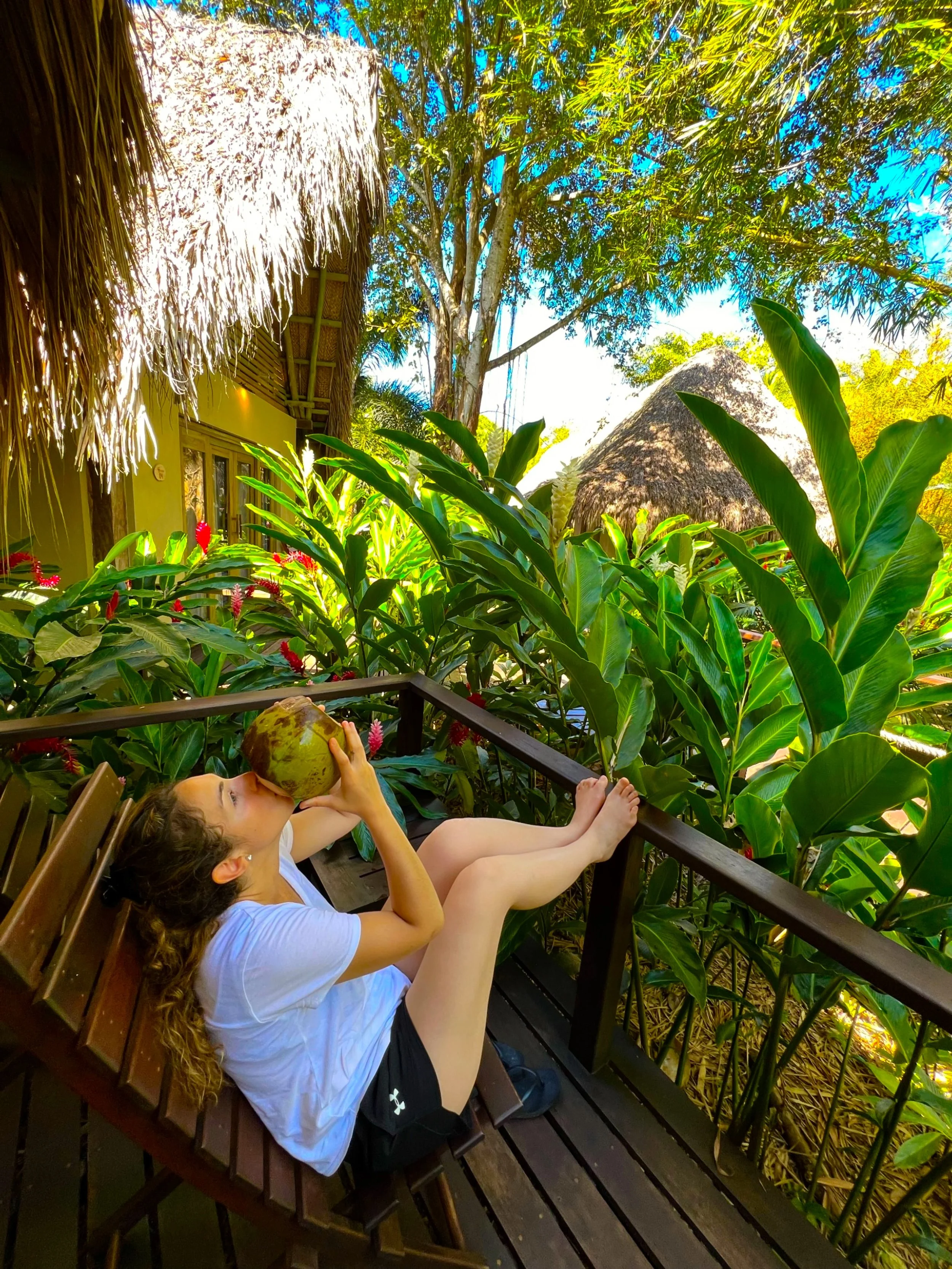
Top 5 best food countries:
1. Greece
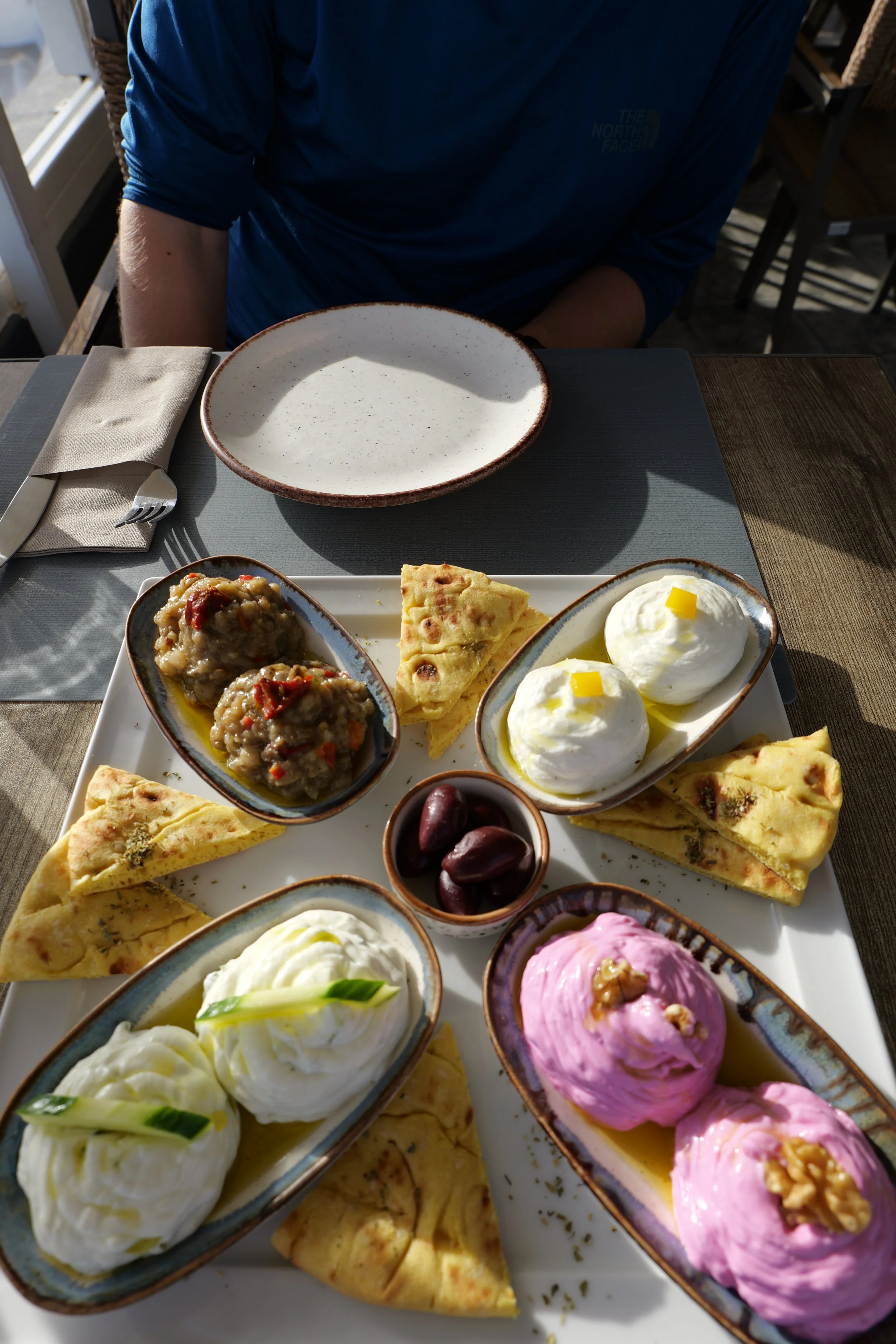
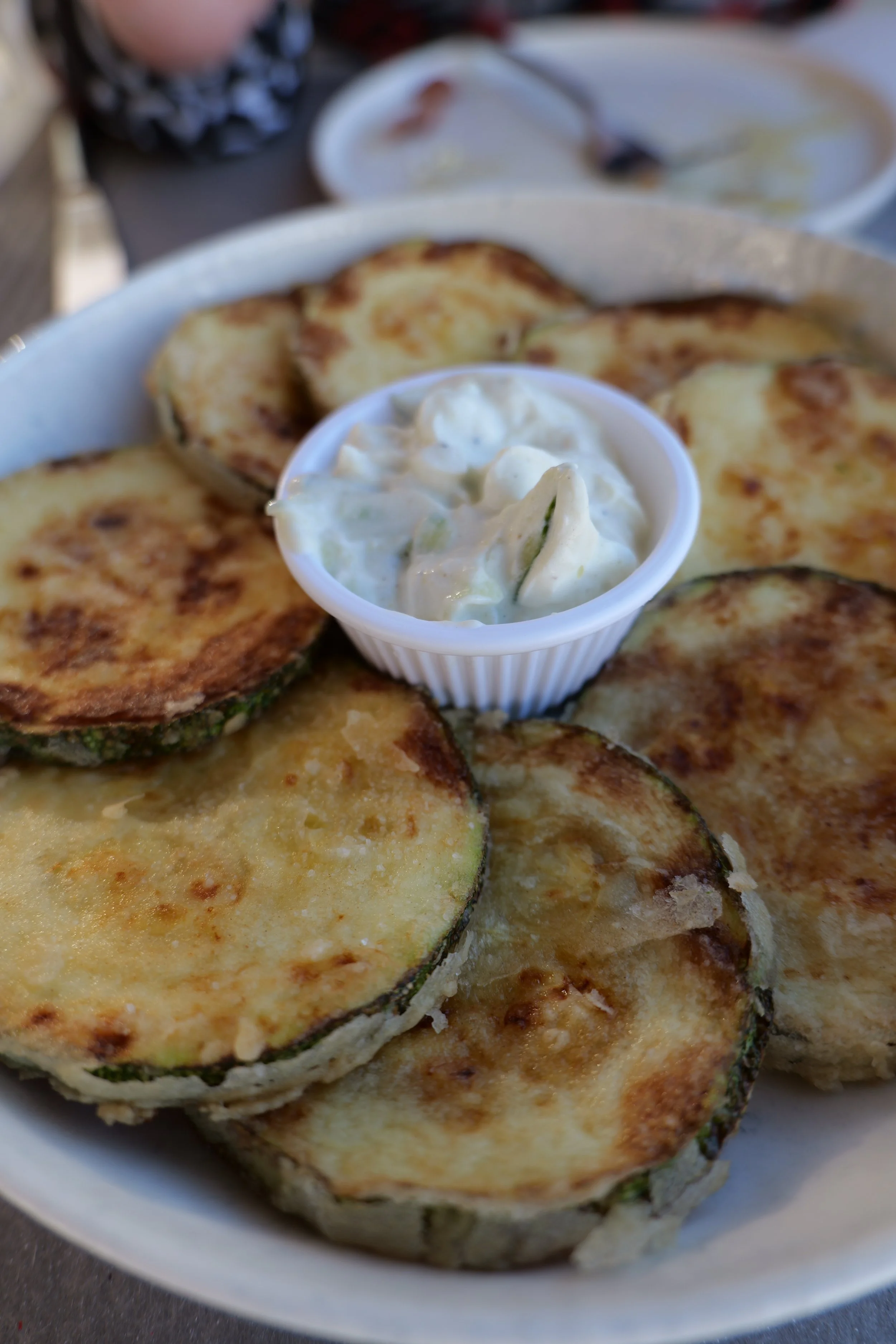
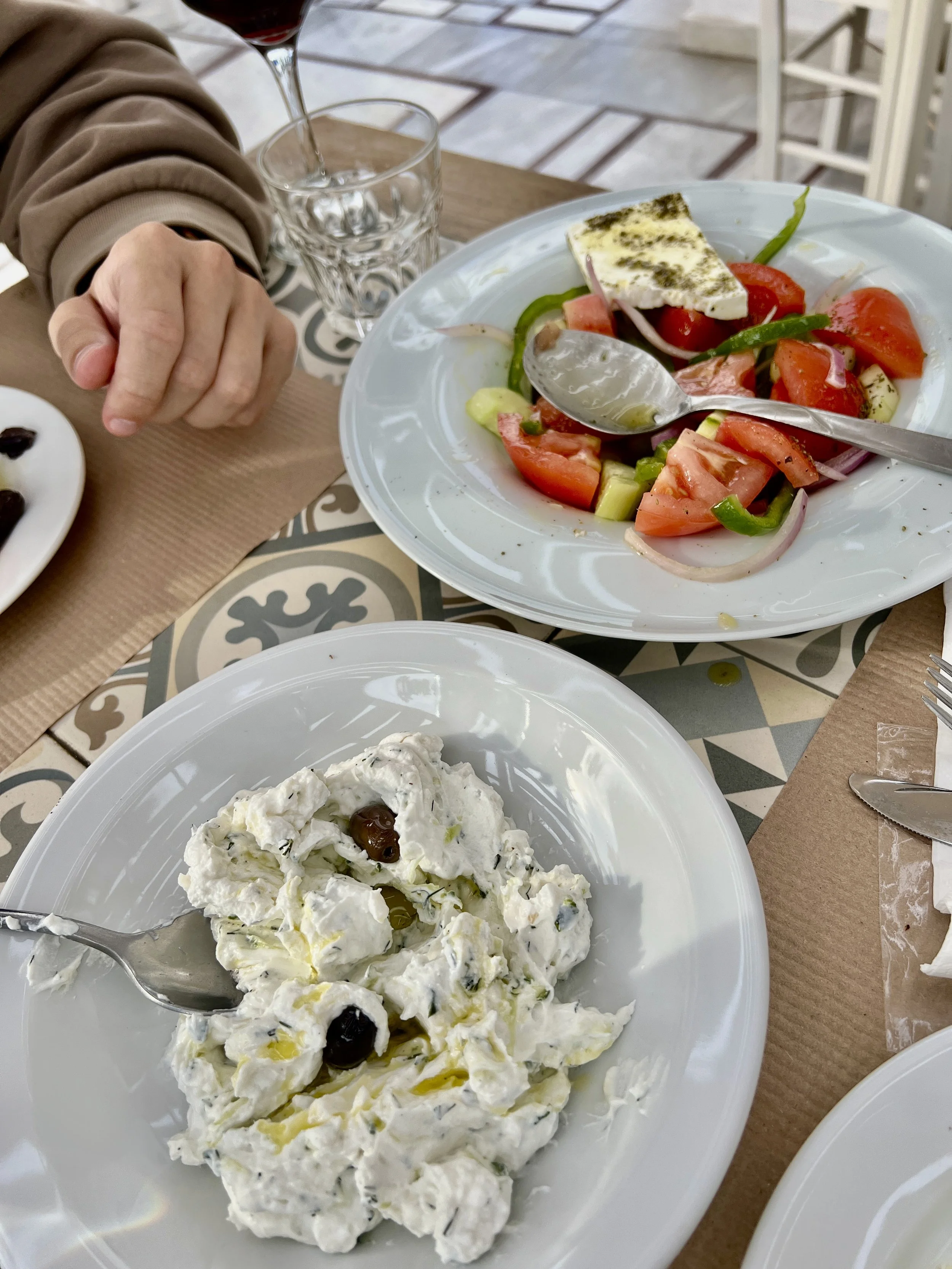
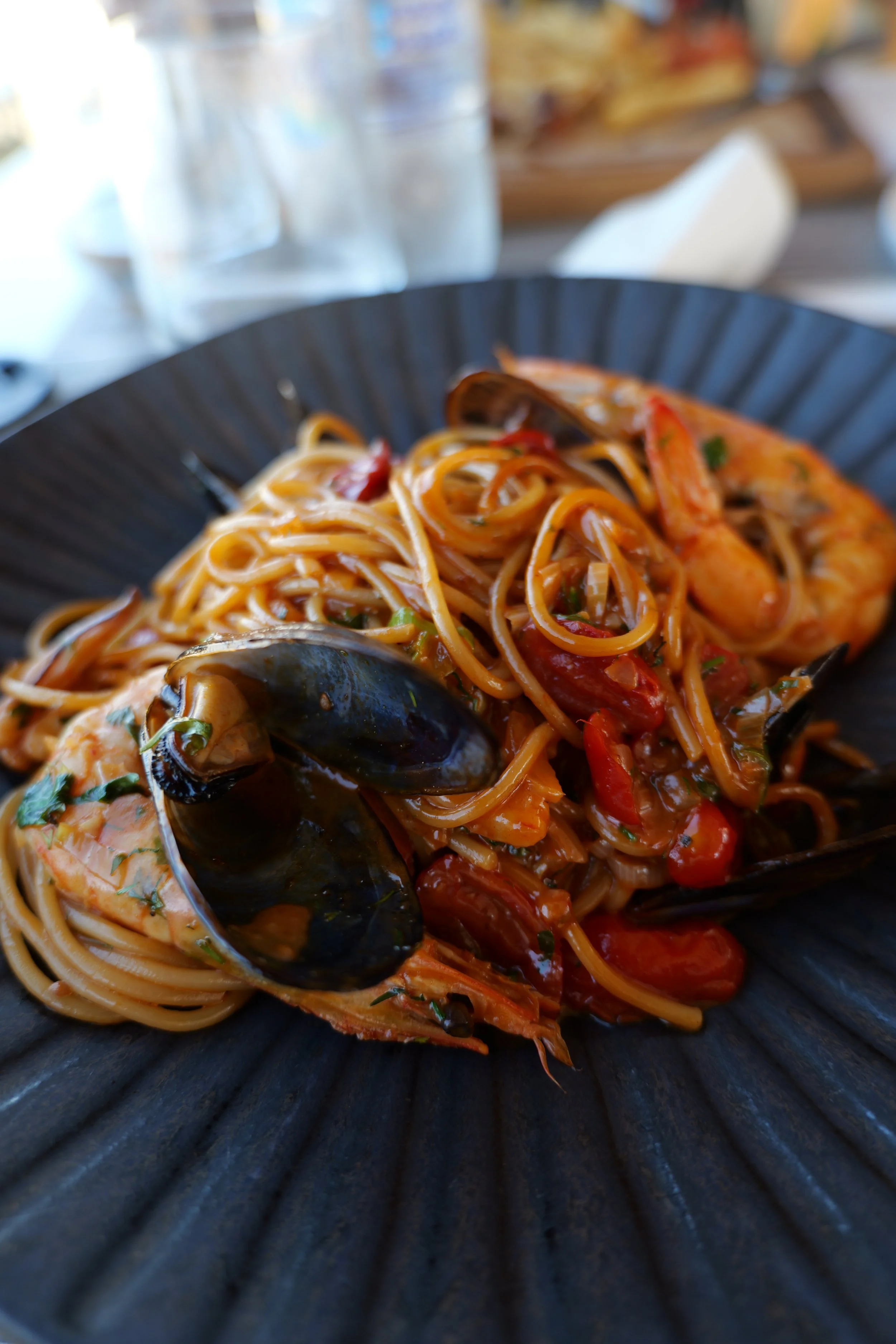
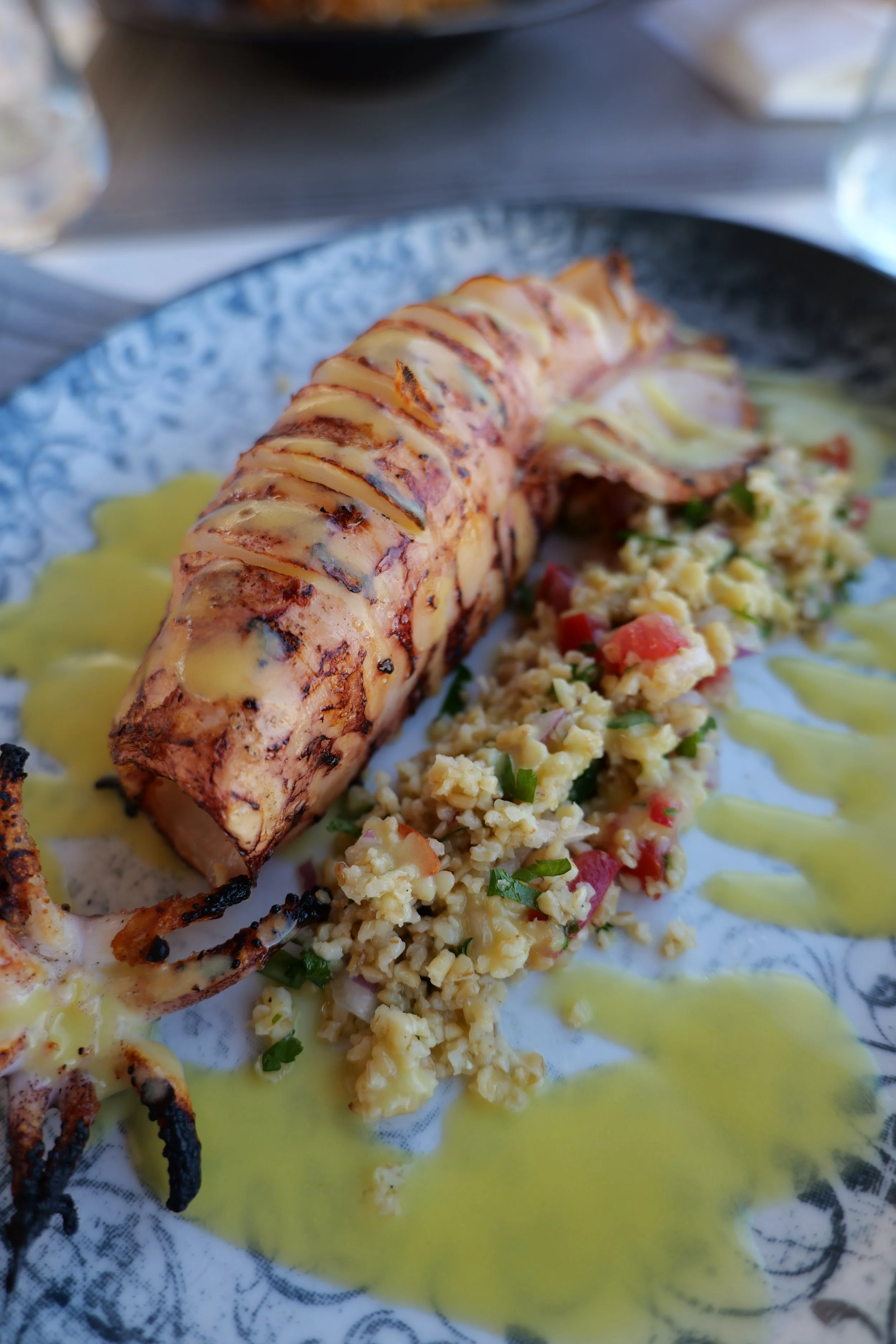
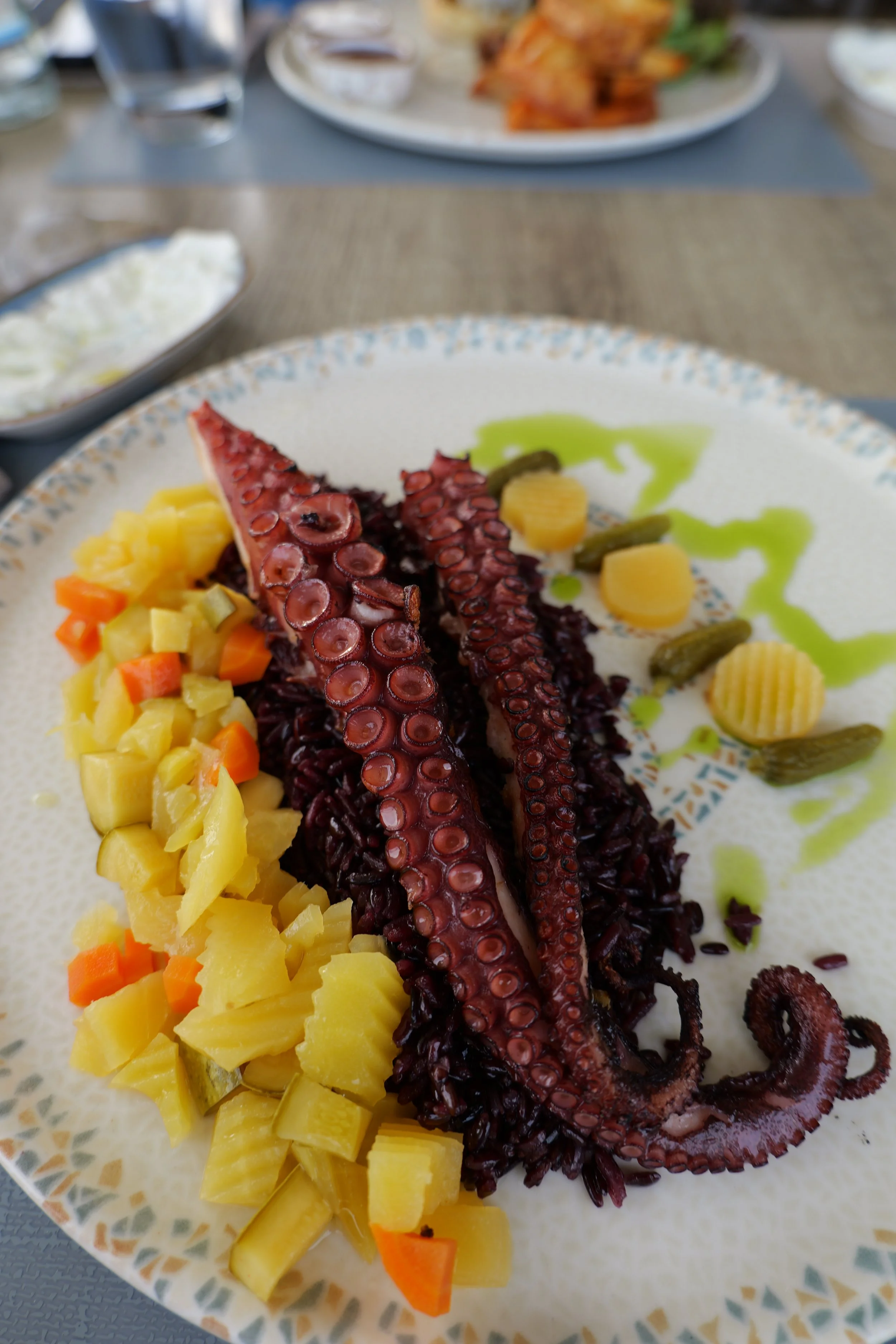
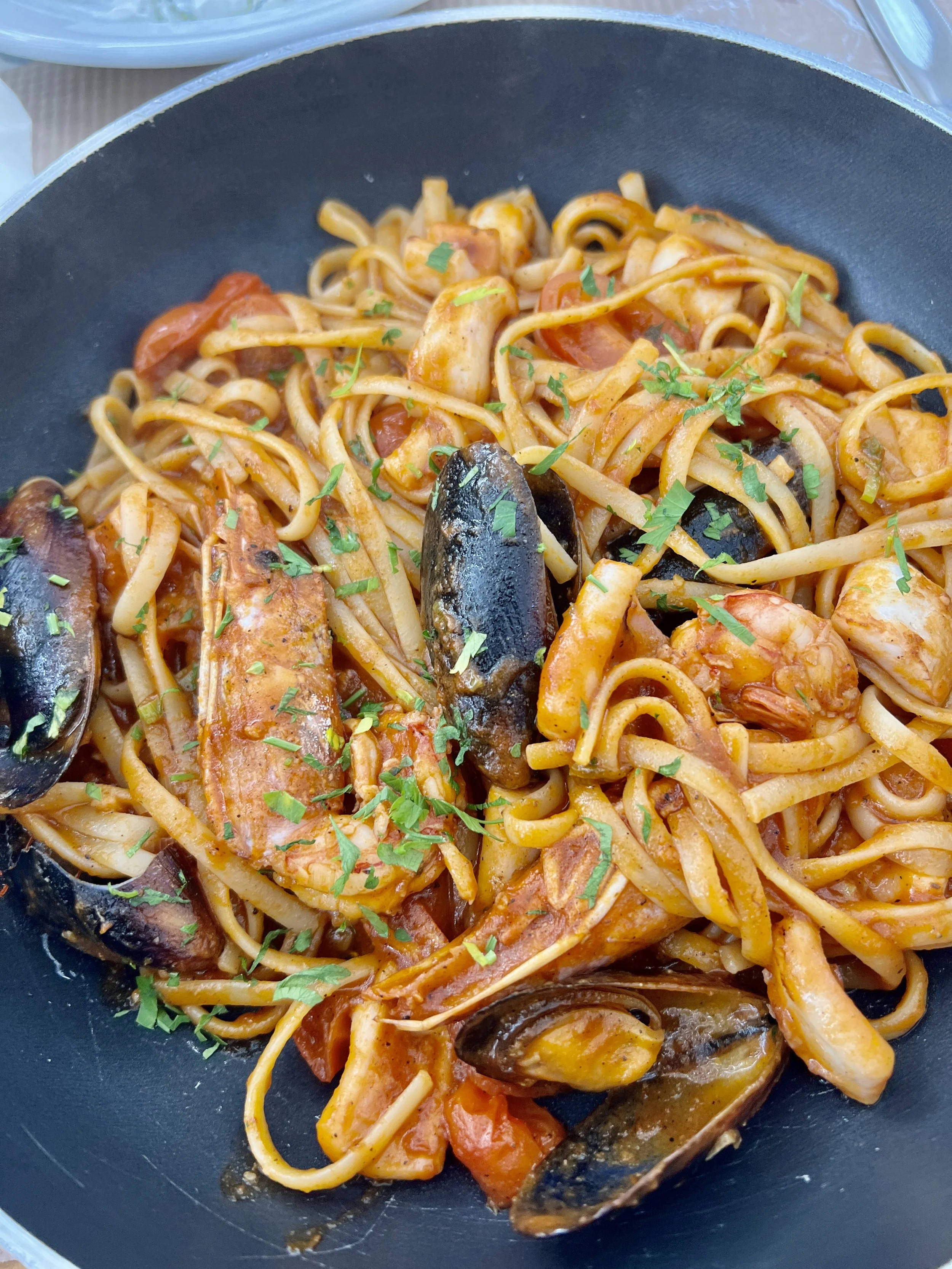
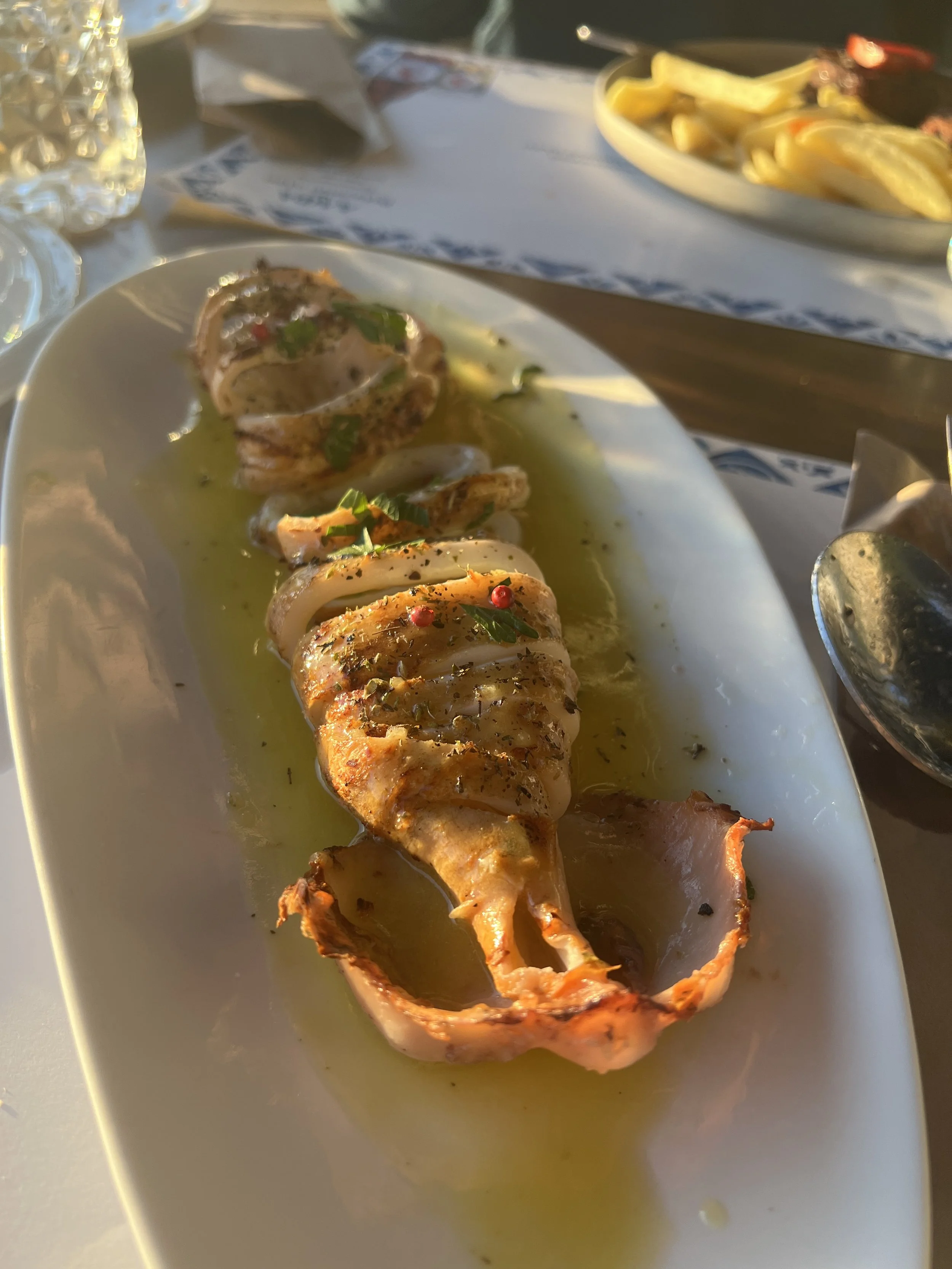
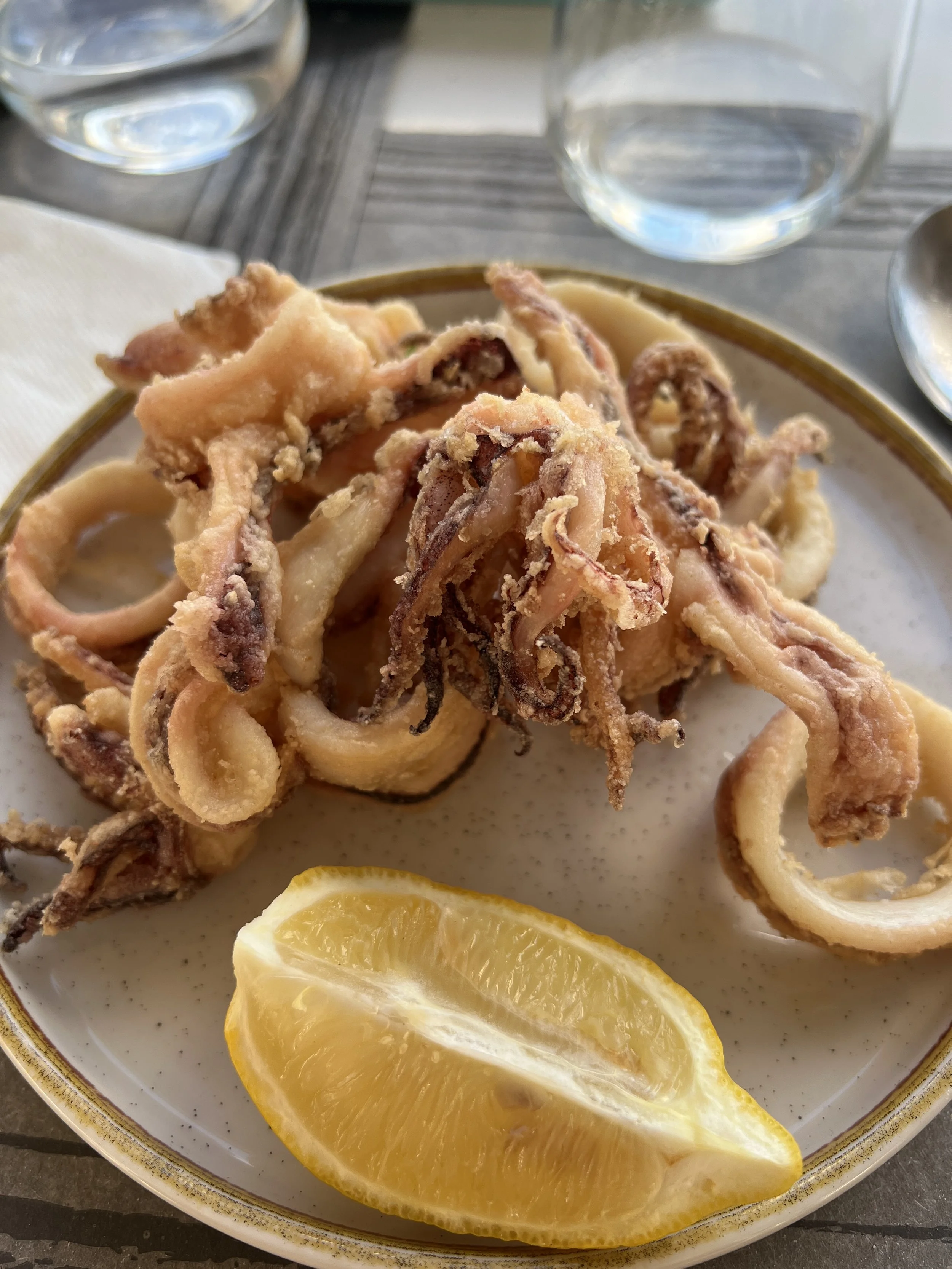
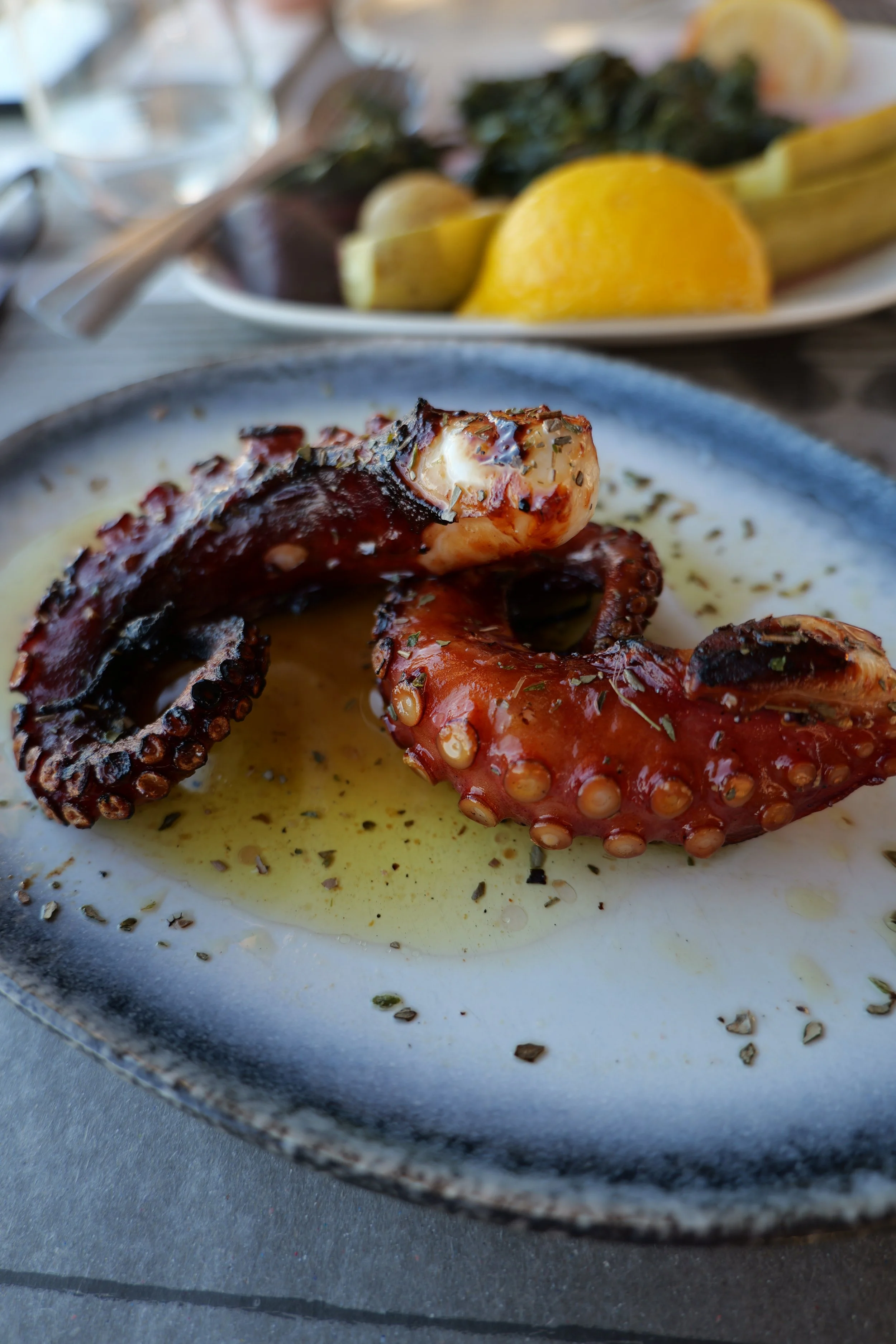
If I could only eat one cuisine for the rest of my life, it would be Greek food. What makes it so incredible is how effortless yet deeply flavorful it is. Greek cooking relies on fresh, sun-ripened ingredients, fragrant herbs like oregano and dill, rich olive oil, and ingredients that are deeply connected to the land and sea. I had some of my best meals in Milos.
Favourite dishes:
Fried zucchini with tzatziki, smoked octopus, Greek salad, and fresh seafood.
Favourite spots:
Akrotiri Authentic Greek Cuisine (Milos)
Papafigos Rakadiko (Athens)
Zisis (Athens)
Choureal (Athens – for a sweet treat)
Besalou (Santorini)
2. Italy
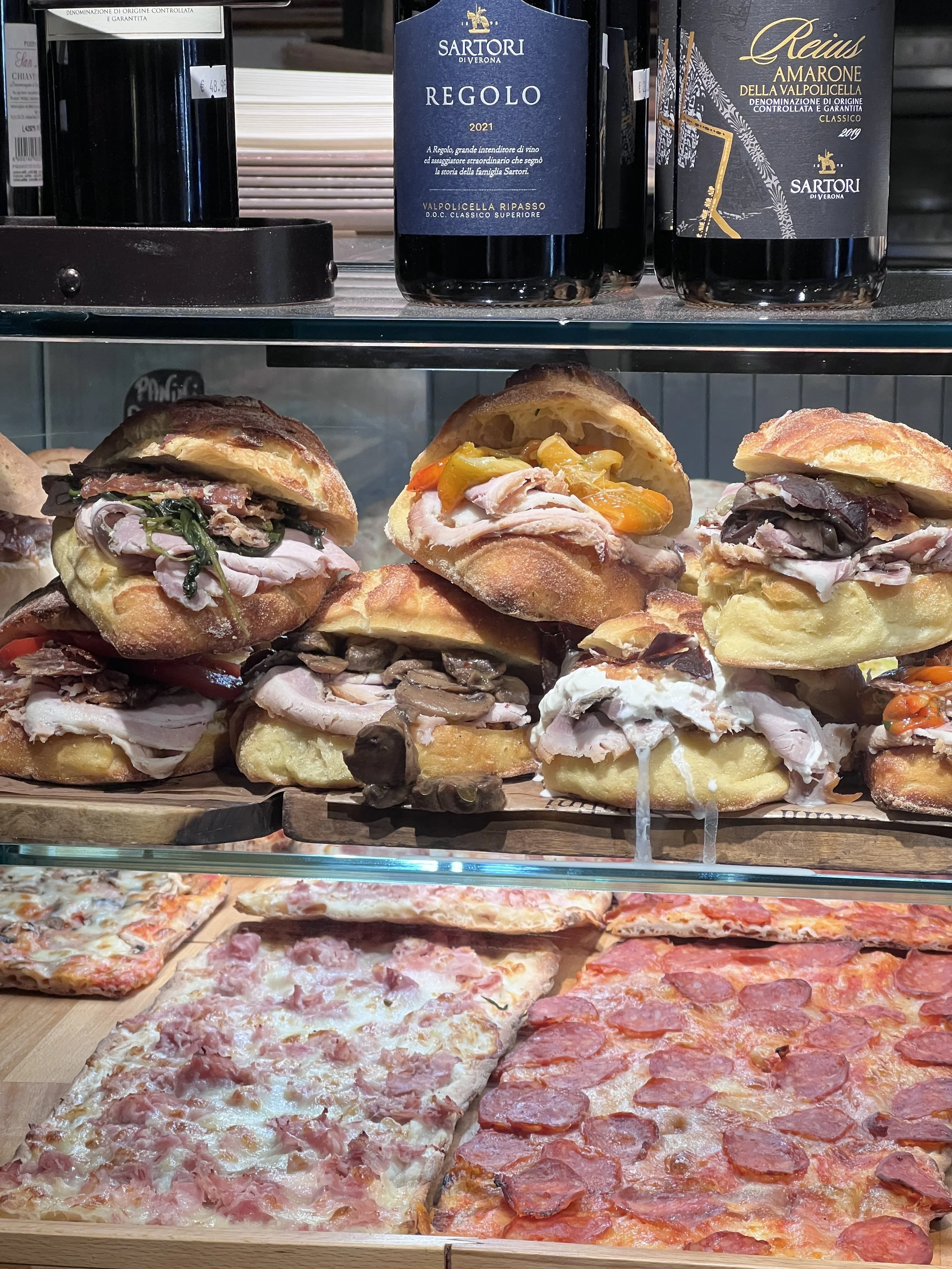
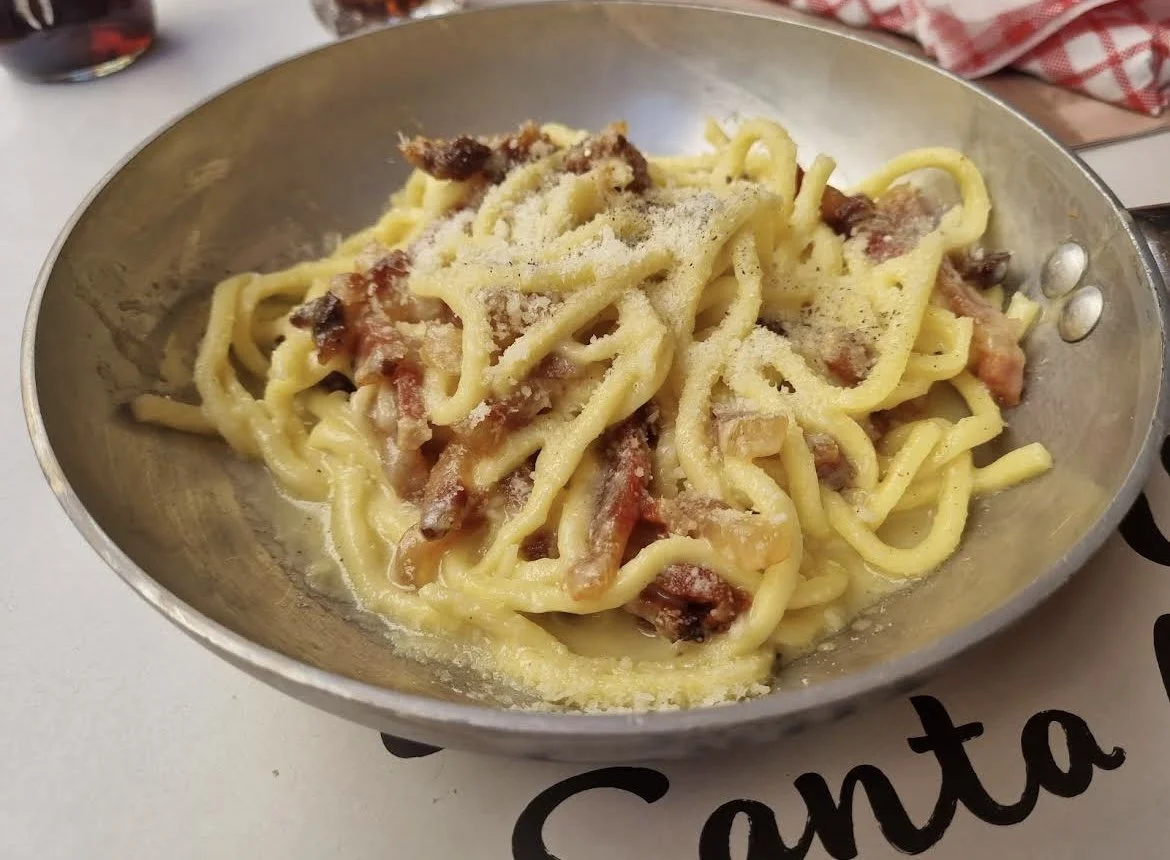
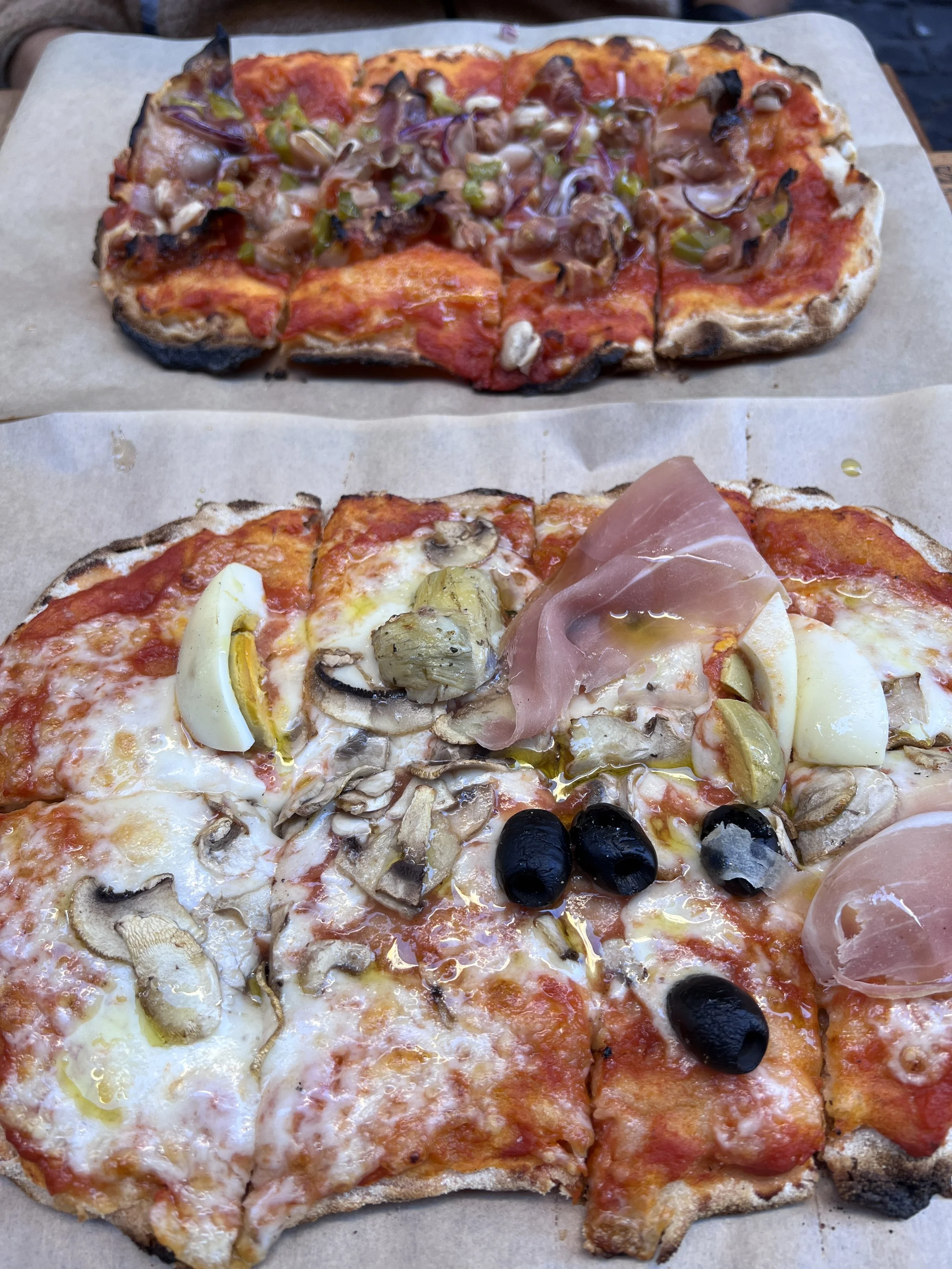
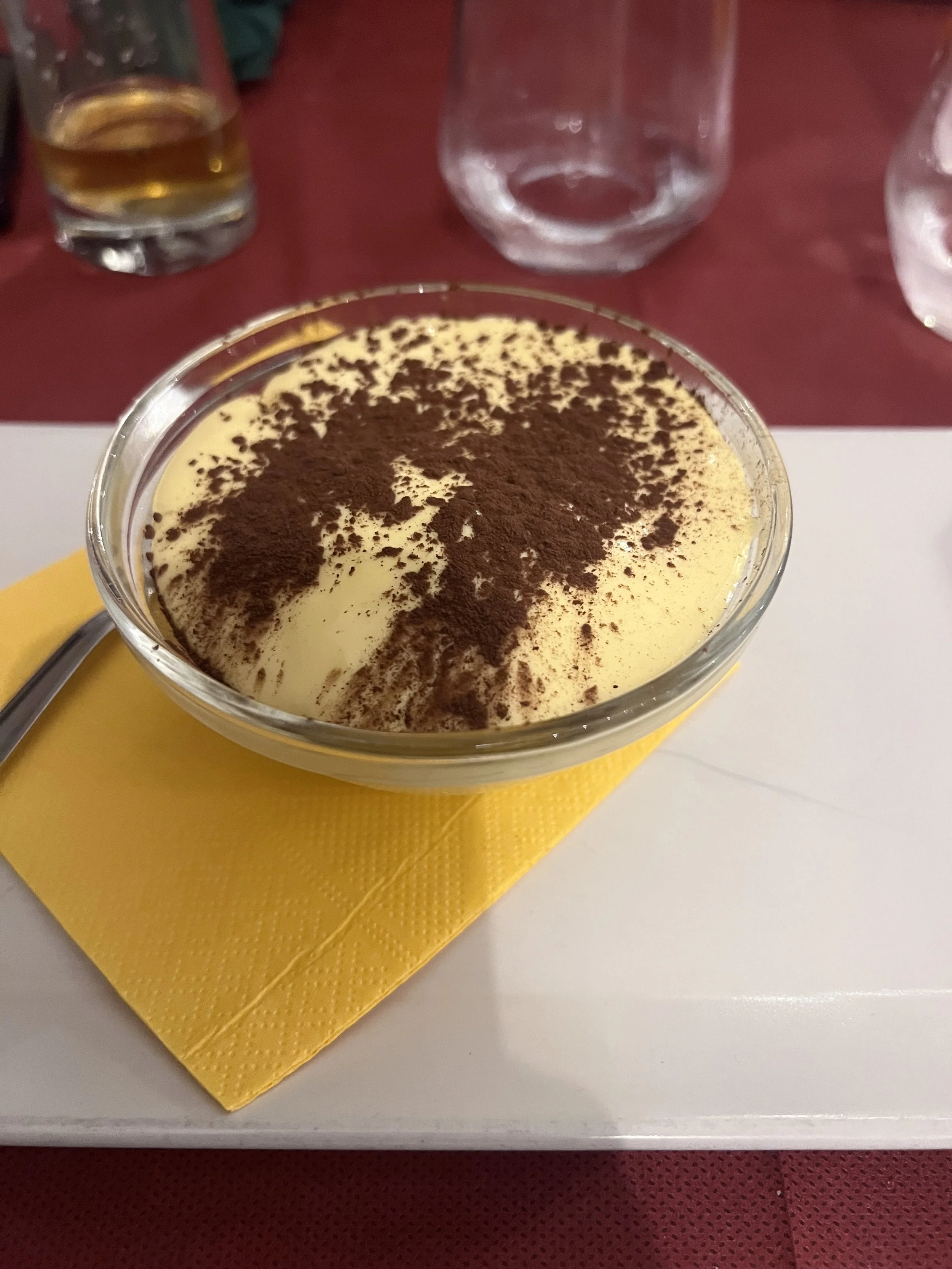
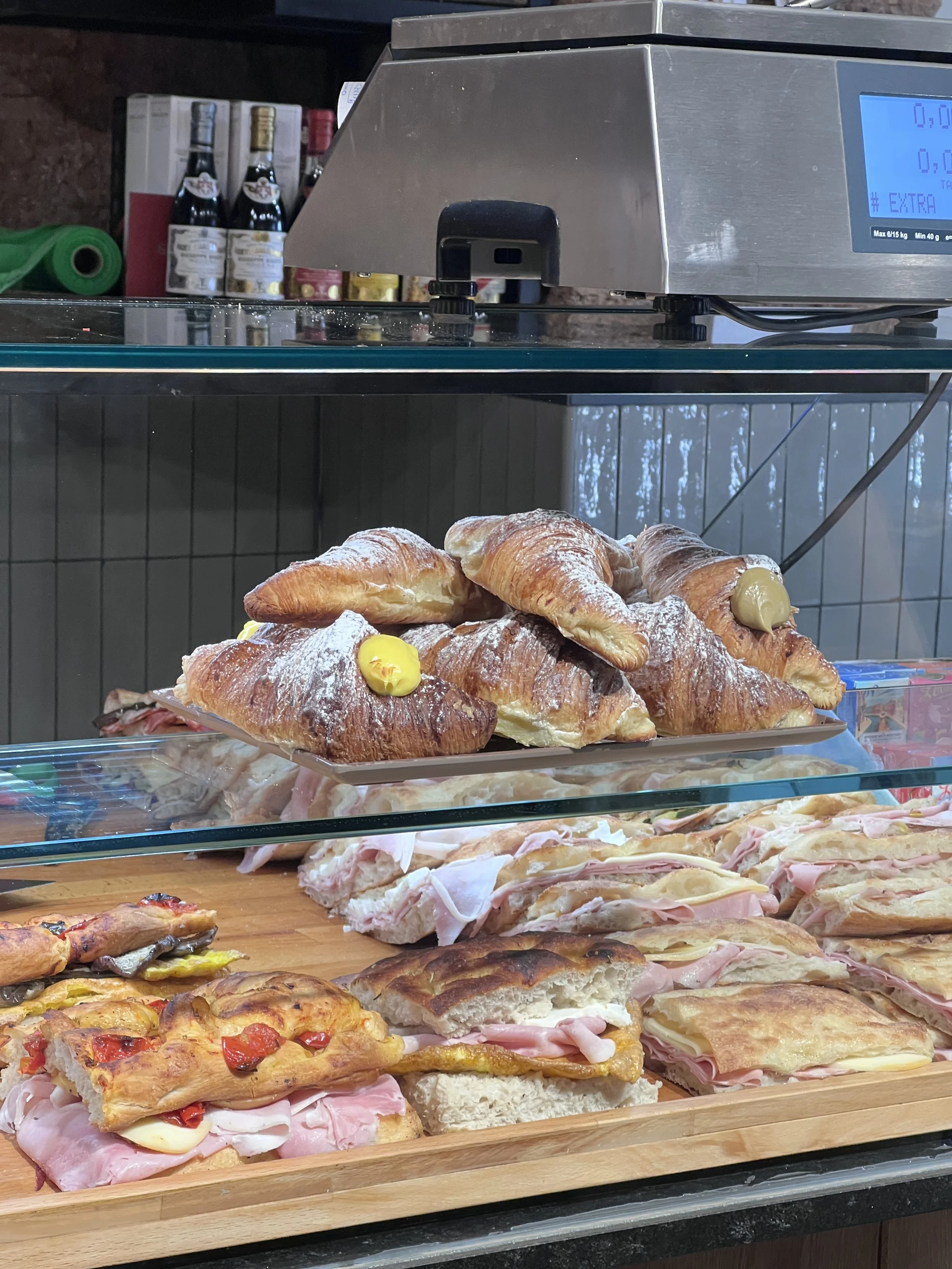
As an Italian, I can honestly say this isn’t just bias—Italy’s culinary landscape varies wildly by region. For instance, growing up in South Tyrol, the local food is completely different from traditional Italian fare (and honestly, not my favourite). To experience true, authentic Italian cooking, head further south to places like Tuscany or Rome. In Florence, I had unforgettable truffle ravioli with a hint of lemon, and in Rome, every single meal—especially a classic cacio e pepe or carbonara—was pure perfection. Even a simple Italian panini is unbeatable.
Since moving to Norway, I’ve realised just how fresh and high-quality Italian produce is. Back home, I can eat gluten with zero issues, whereas living abroad makes a huge difference. Also, you can't beat a classic insalatone (the quintessential chunky Italian salad) or coastal seafood.
Favourite spots in Rome:
Pasticceria Santini
Tonnarello Santa Maria
3. Finland
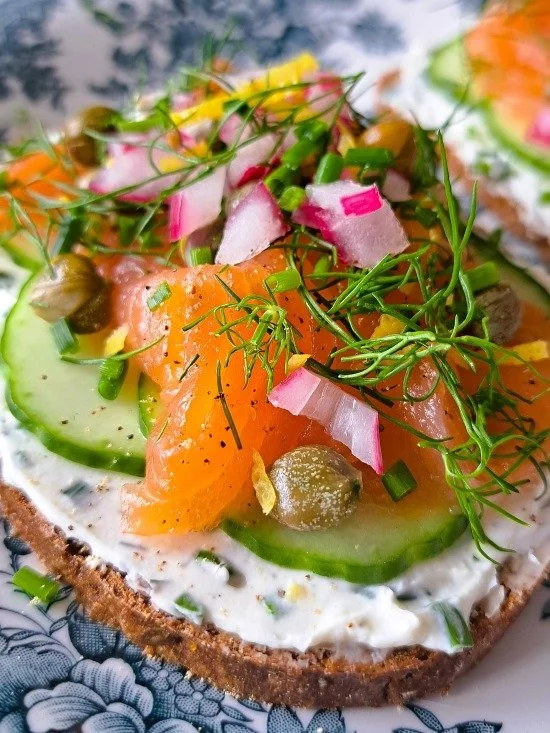
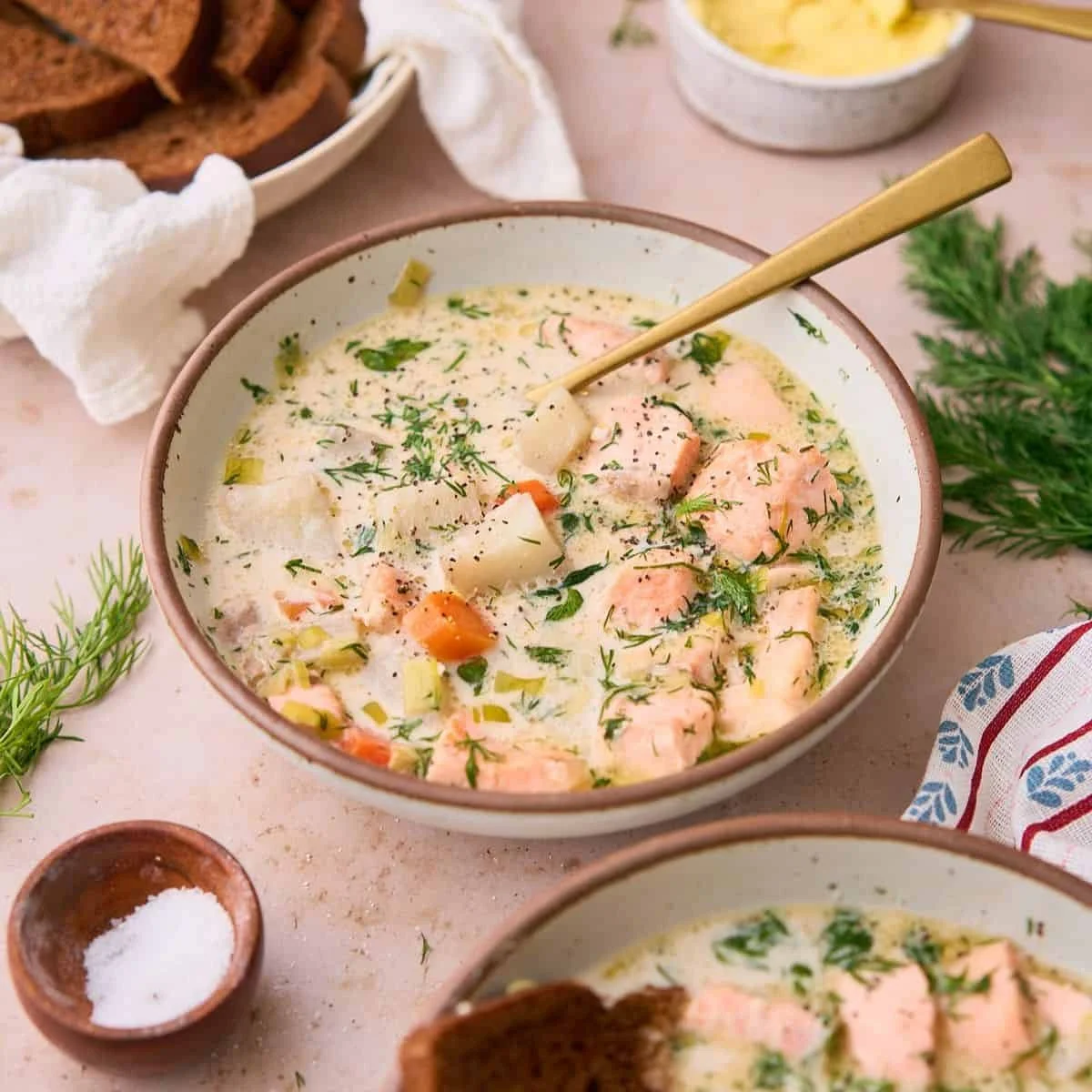
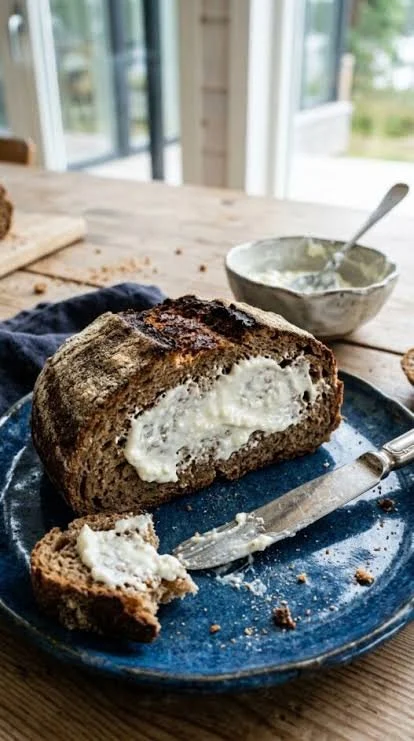
Finland easily takes the top spot for my favourite Nordic cuisine. It is clean, fresh, and deeply connected to nature—ranging from open-faced salmon sandwiches (lohileipä) to creamy traditional salmon soup (lohikeitto), hearty rye breads, and mushroom salad.
I also got to experience an authentic Finnish Christmas dinner with my boyfriend’s family, which was incredible. The holiday table is packed with comforting classics like glazed Christmas ham (joulukinkku), root vegetable casseroles made from carrot and rutabaga (porkkana- and lanttulaatikko), pickled herring, and gravlax.
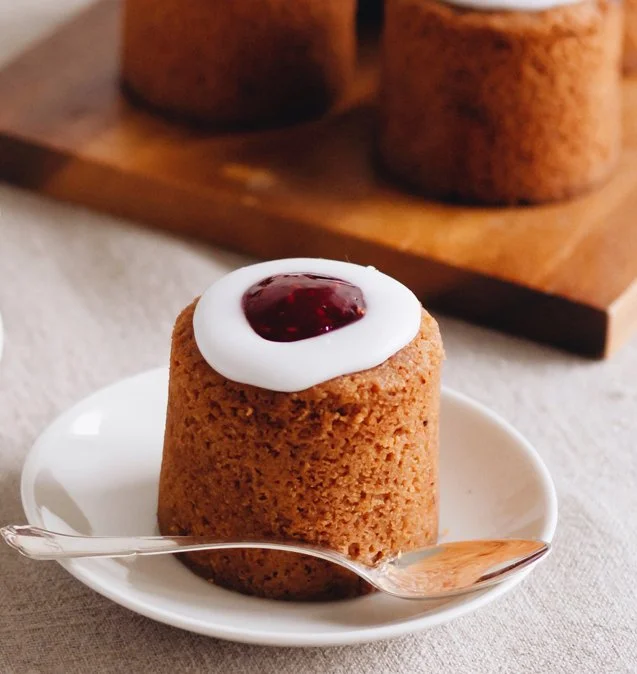
Favourite treat: Runeberg tarts (runebergintorttu), a traditional cylindrical pastry made with almonds, breadcrumbs, and a hint of arrack or rum, topped with a ring of raspberry jam and sugar icing.
Favourite spot: Lieggâ Láávu (Saariselkä, Lapland), where I had amazing reindeer pasta and a great cauliflower salad.
4. Colombia
While traditional everyday Colombian food—which often leans heavily on hearty staples like rice, beans, fried plantains, and arepas—didn’t blow me away on its own, Colombia’s modern culinary scene is on another level. Some of the finest, most creative restaurants I have ever eaten at in the world were right here. Chefs take incredible local tropical ingredients and fresh coastal seafood and turn them into unforgettable meals.
Favourite spots:
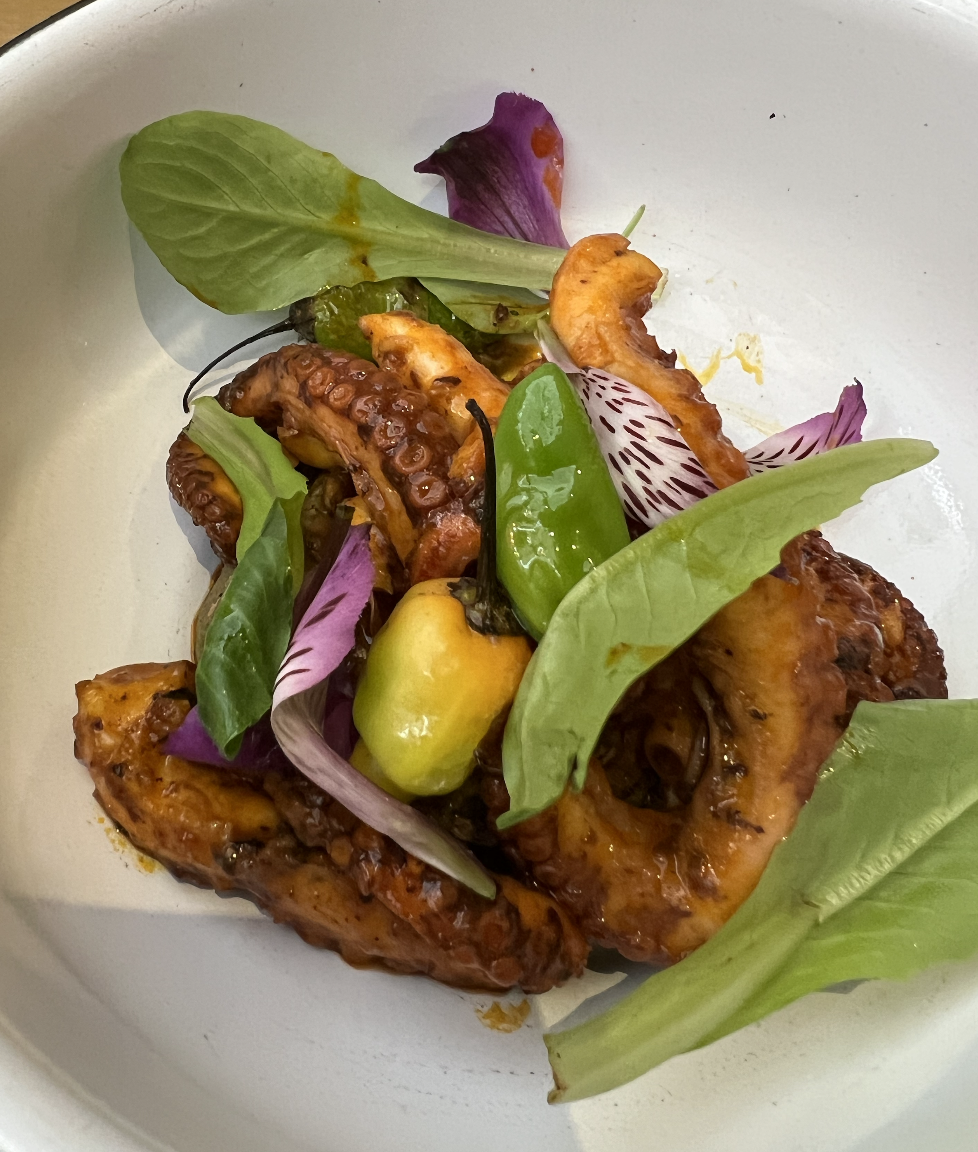
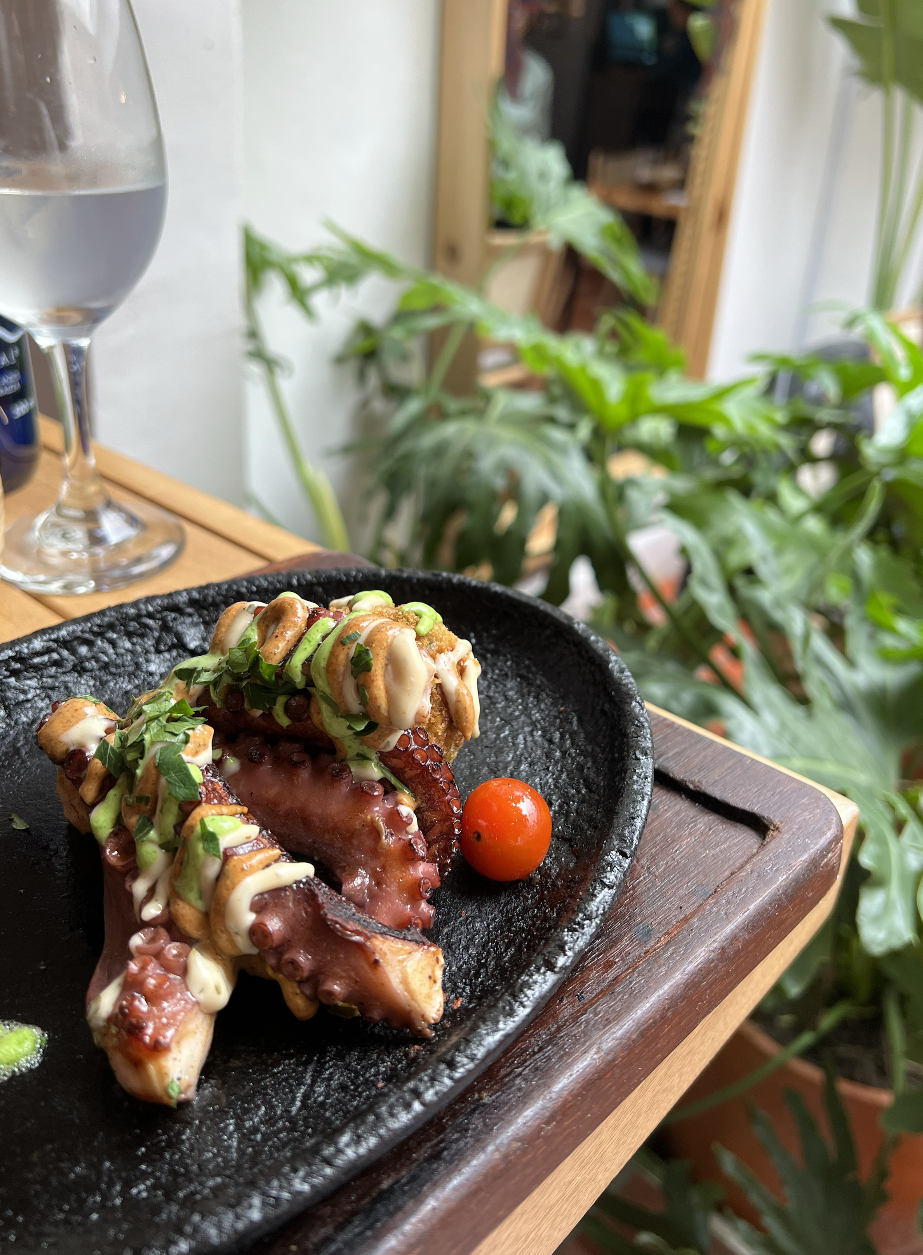
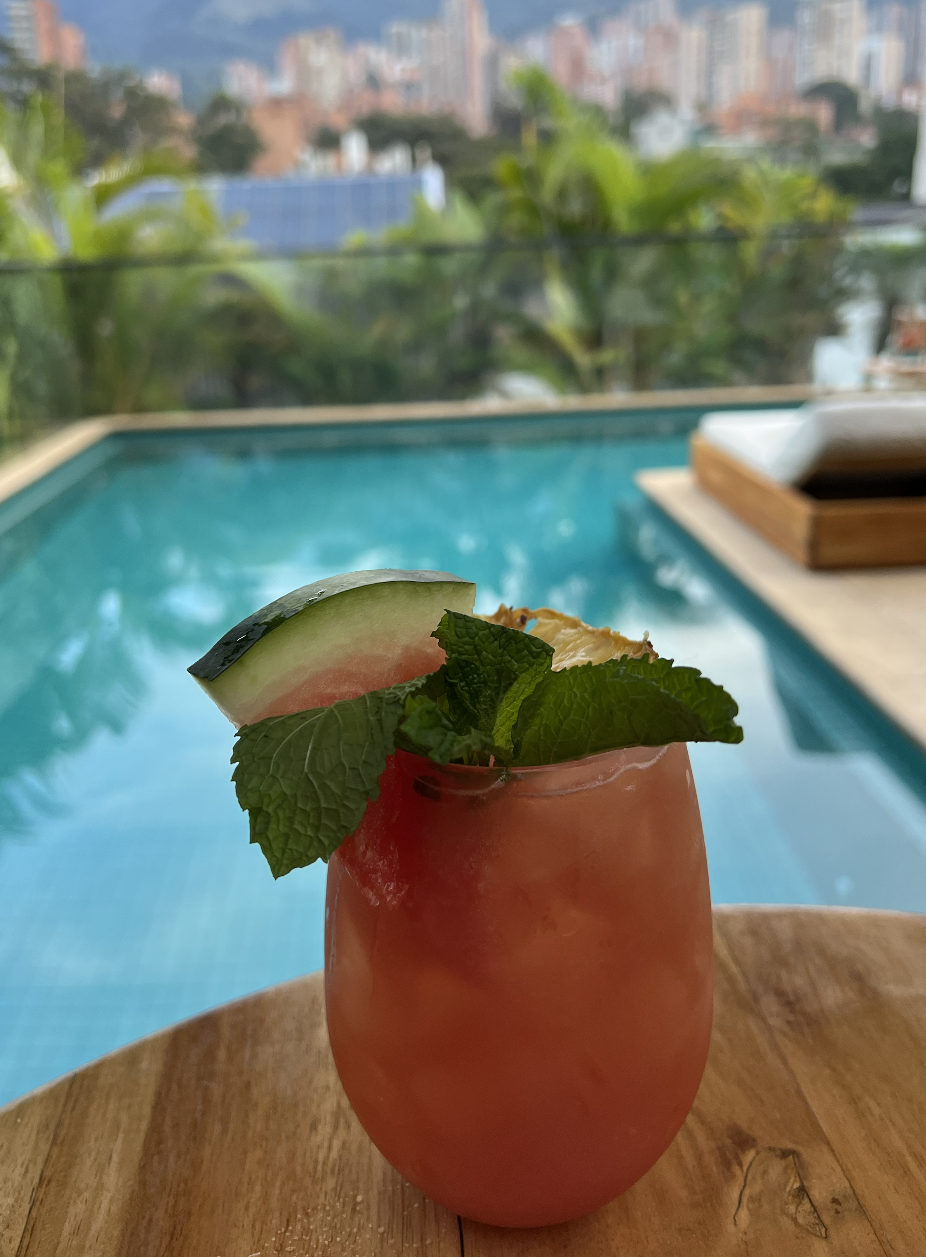
Guasimo (Santa Marta) – A Colombian-Caribbean fusion restaurant where I had the best octopus dish of my life.
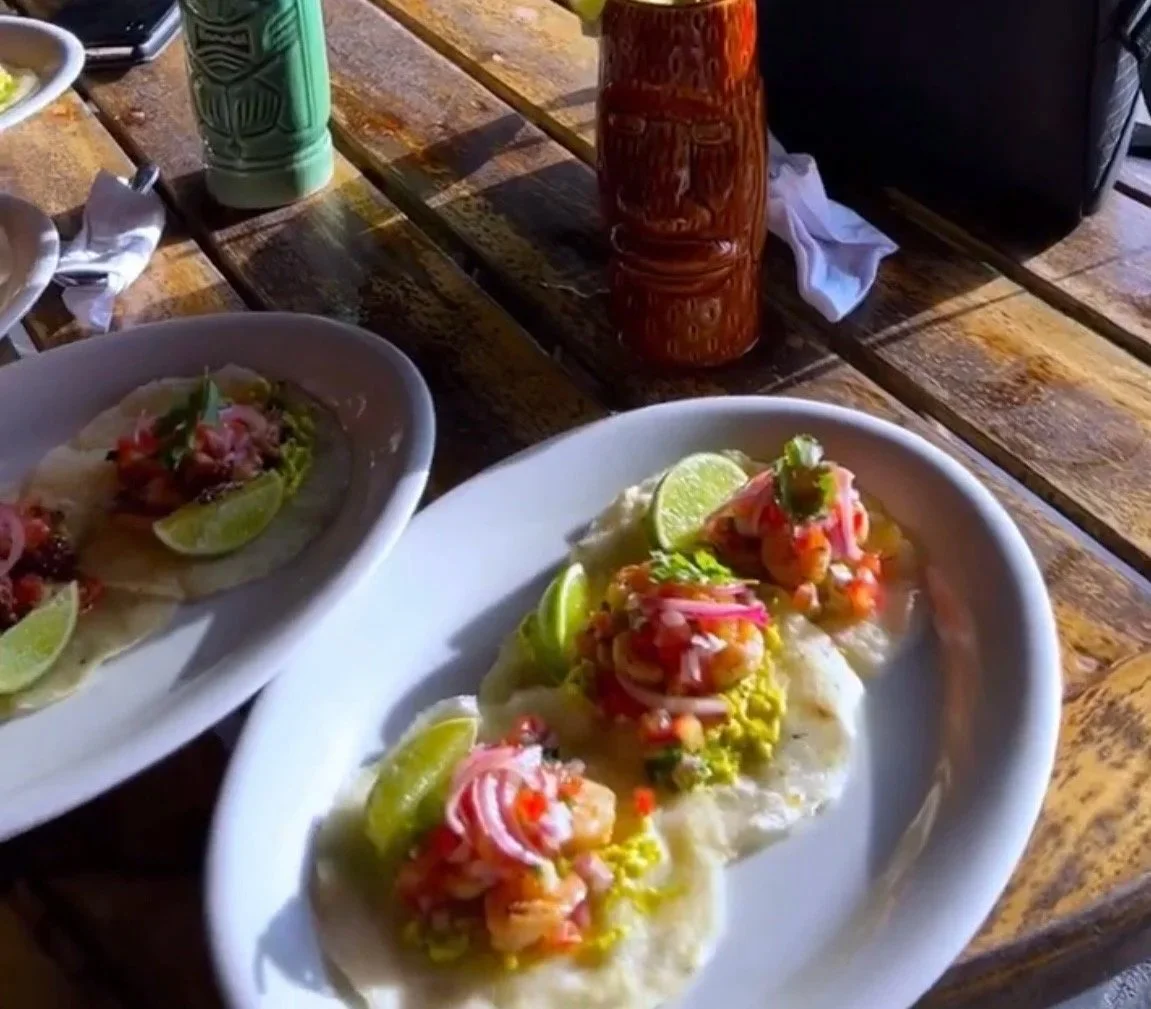
A hidden gem in Tayrona – An open-air lounge bar tucked away overlooking the jungle and the river (not even pinned on Google Maps!), where I had next-level octopus, shrimp, and guacamole tapas.
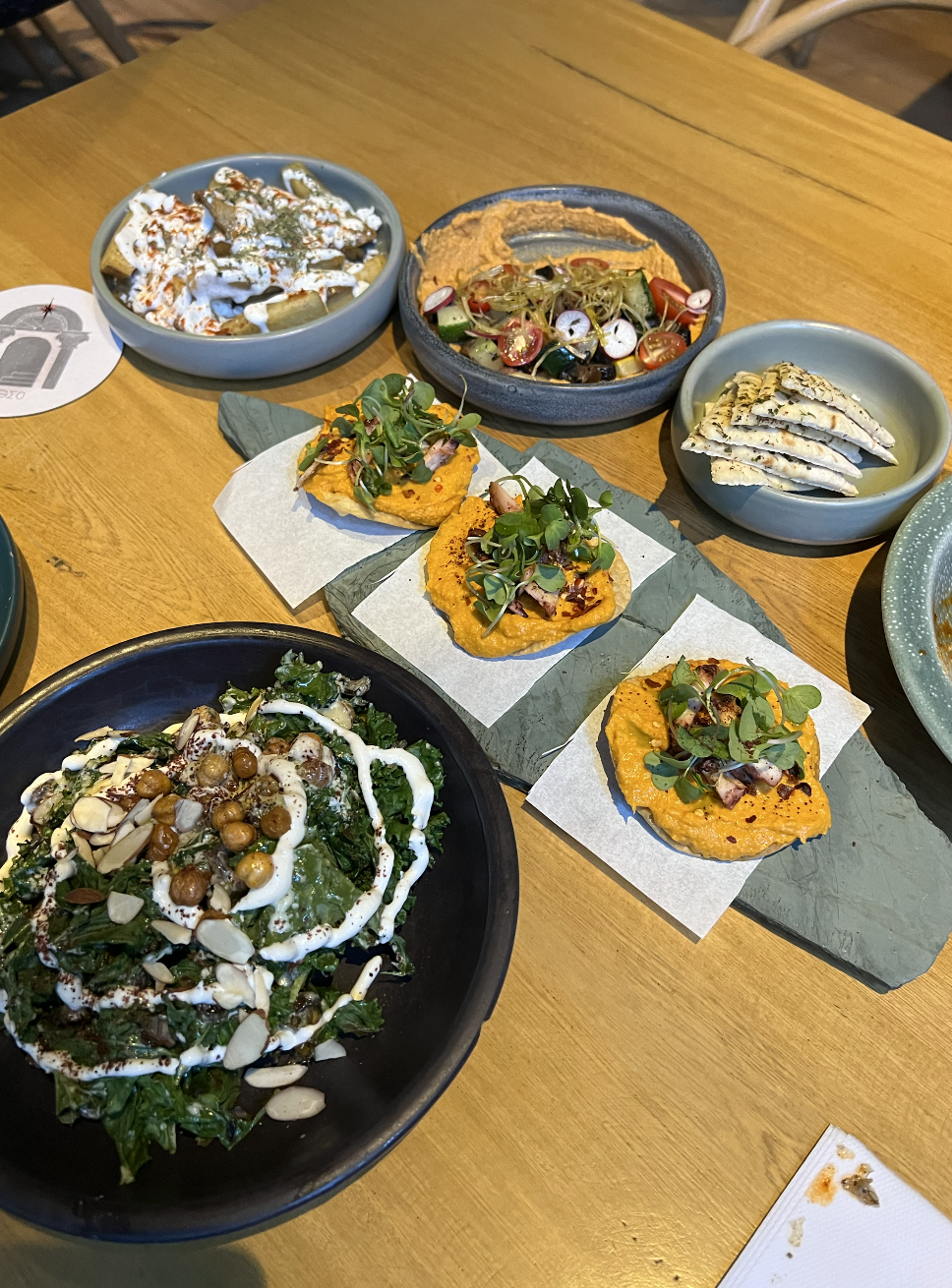
Bogotá – Completely surprised me with its dining scene, serving tapas that honestly rivalled—and even beat—what I’ve had in Spain.
5. Laos
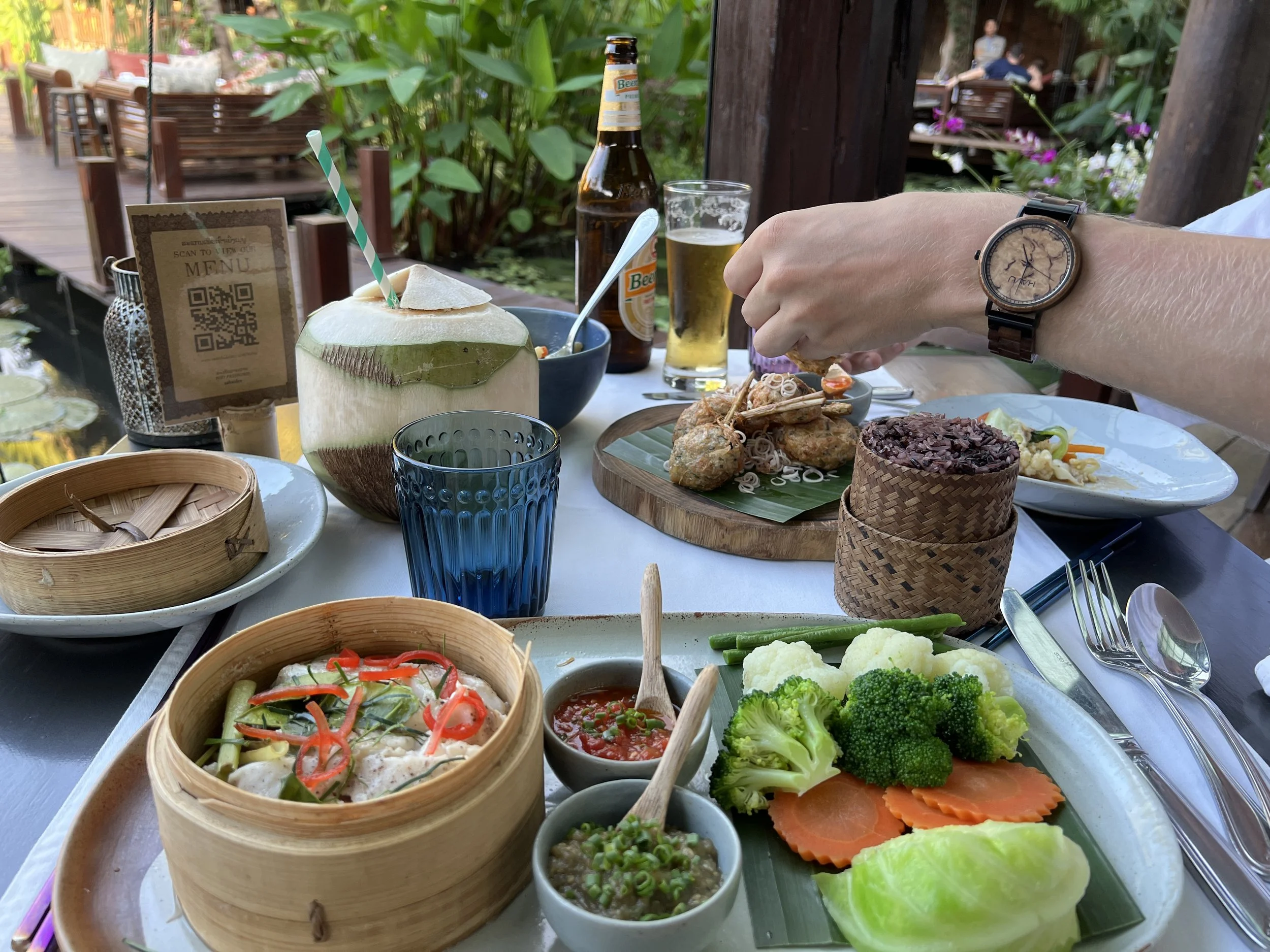
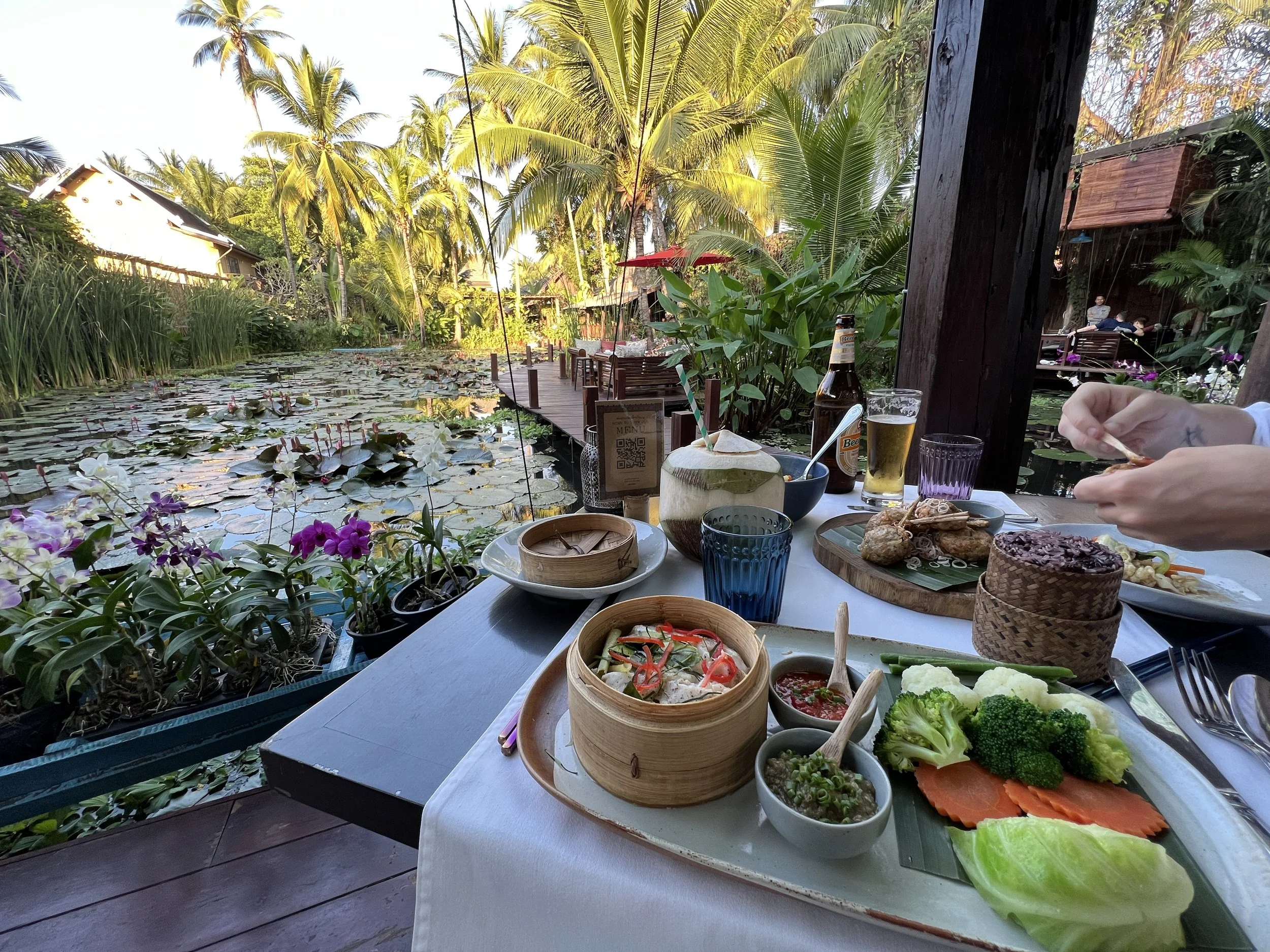
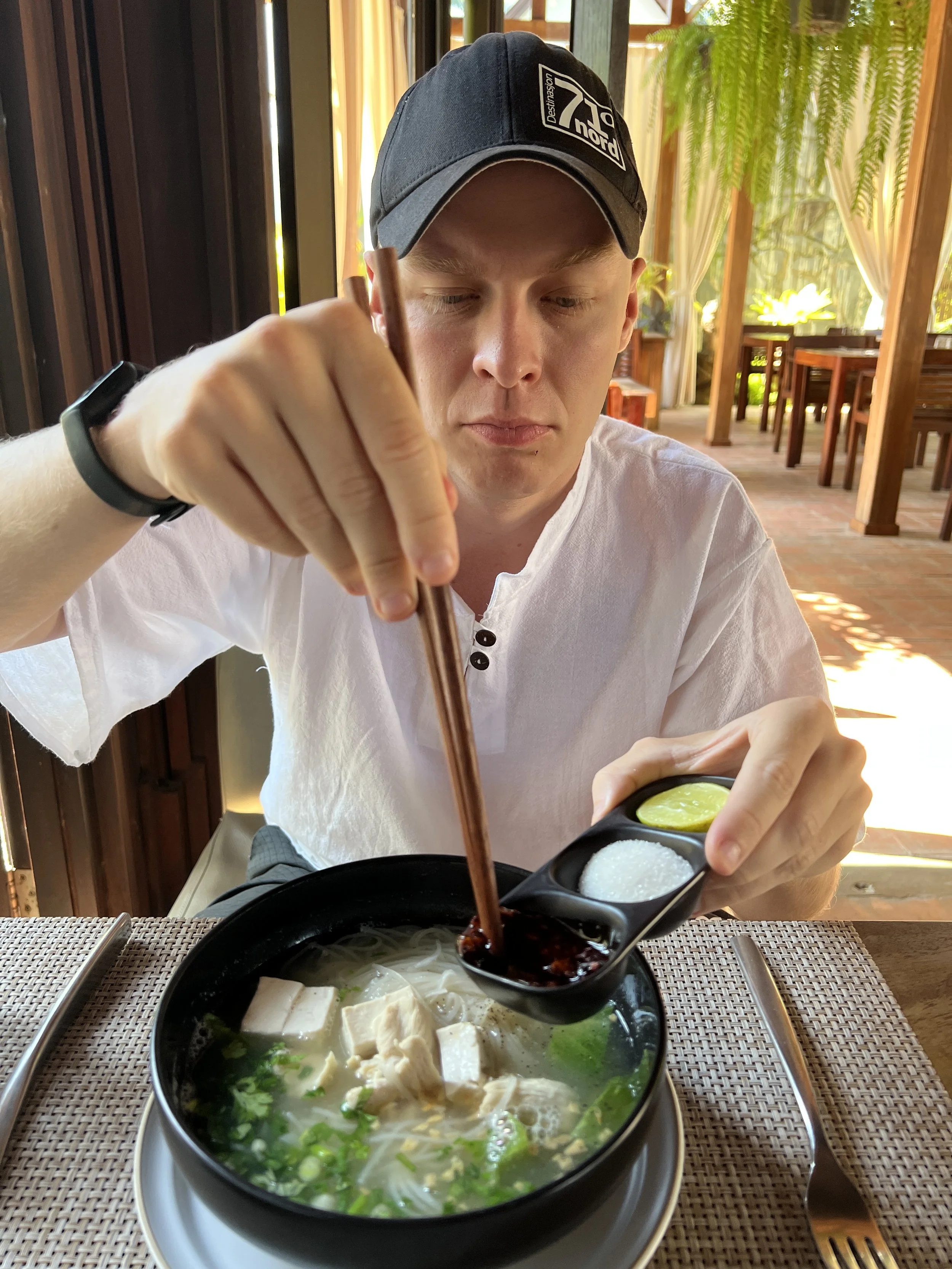
I am usually not a huge fan of rice-heavy or Asian cuisine, but Laos completely changed my mind. Instead of relying on heavy sauces, Lao cooking centres around fresh herbs, lemongrass, and bright citrus. Vegetables are seasoned with a light touch, and steaming ingredients in banana leaves locks in an incredible amount of flavour—especially when it comes to the extraordinary river fish.
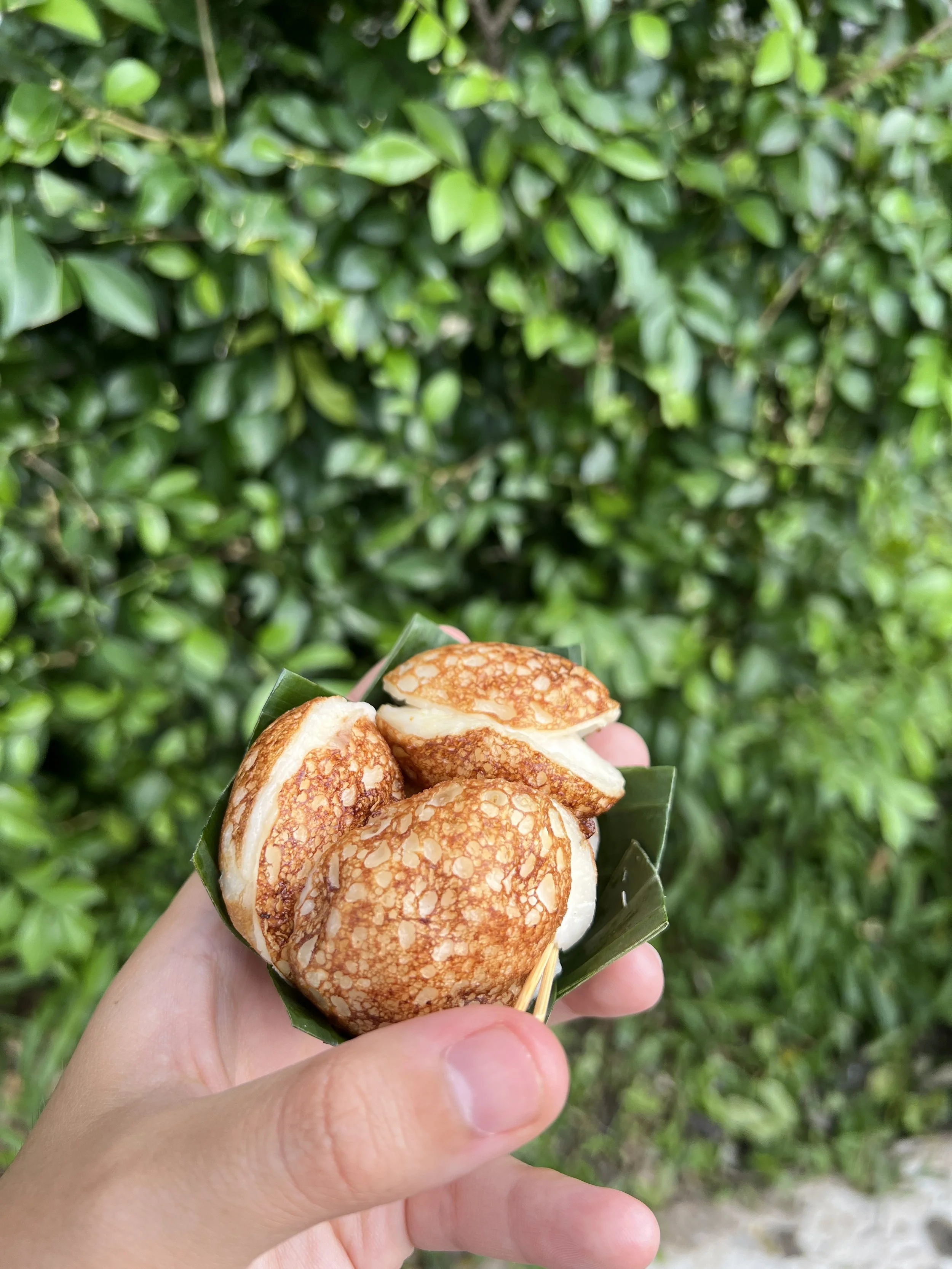
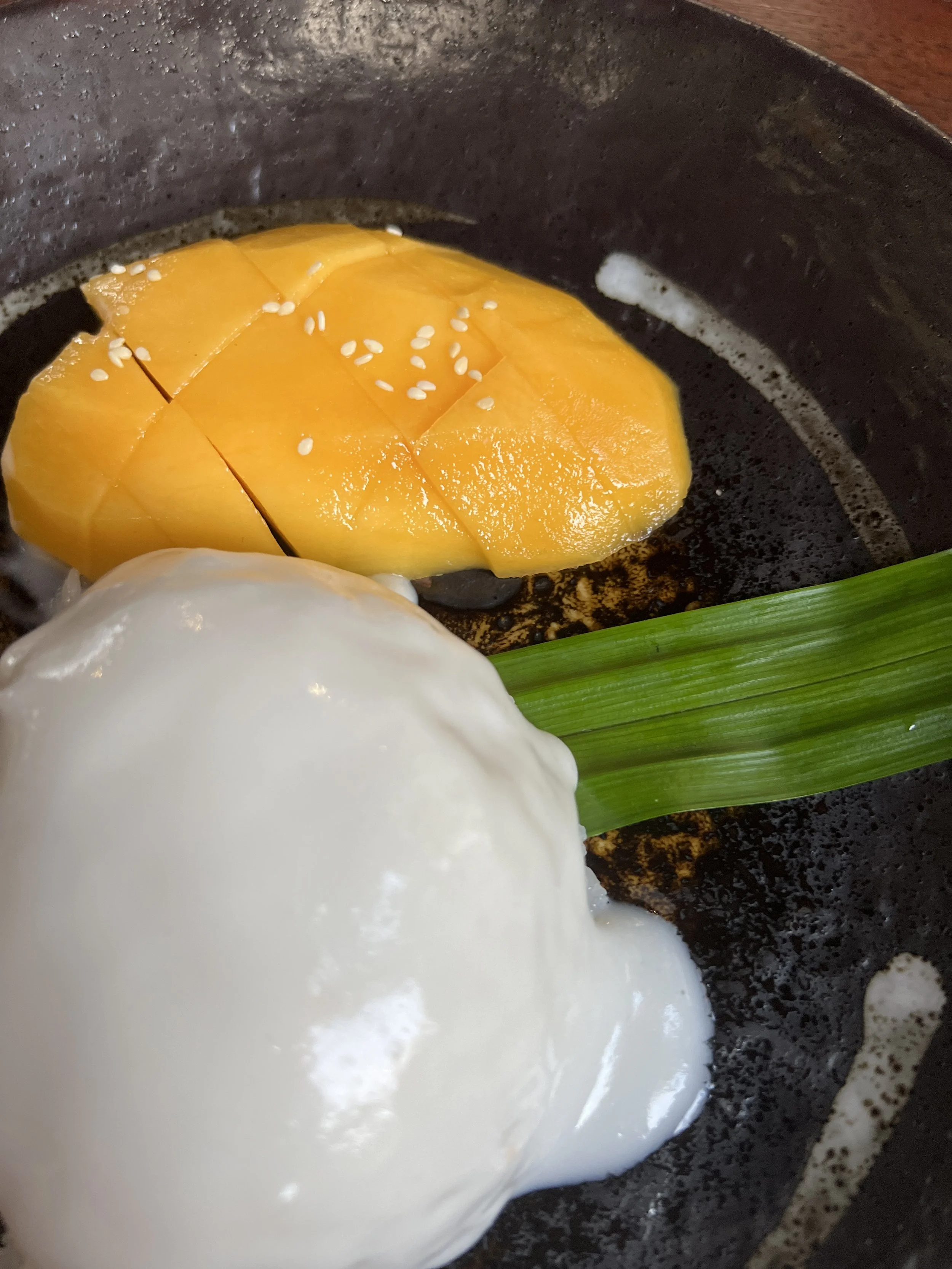
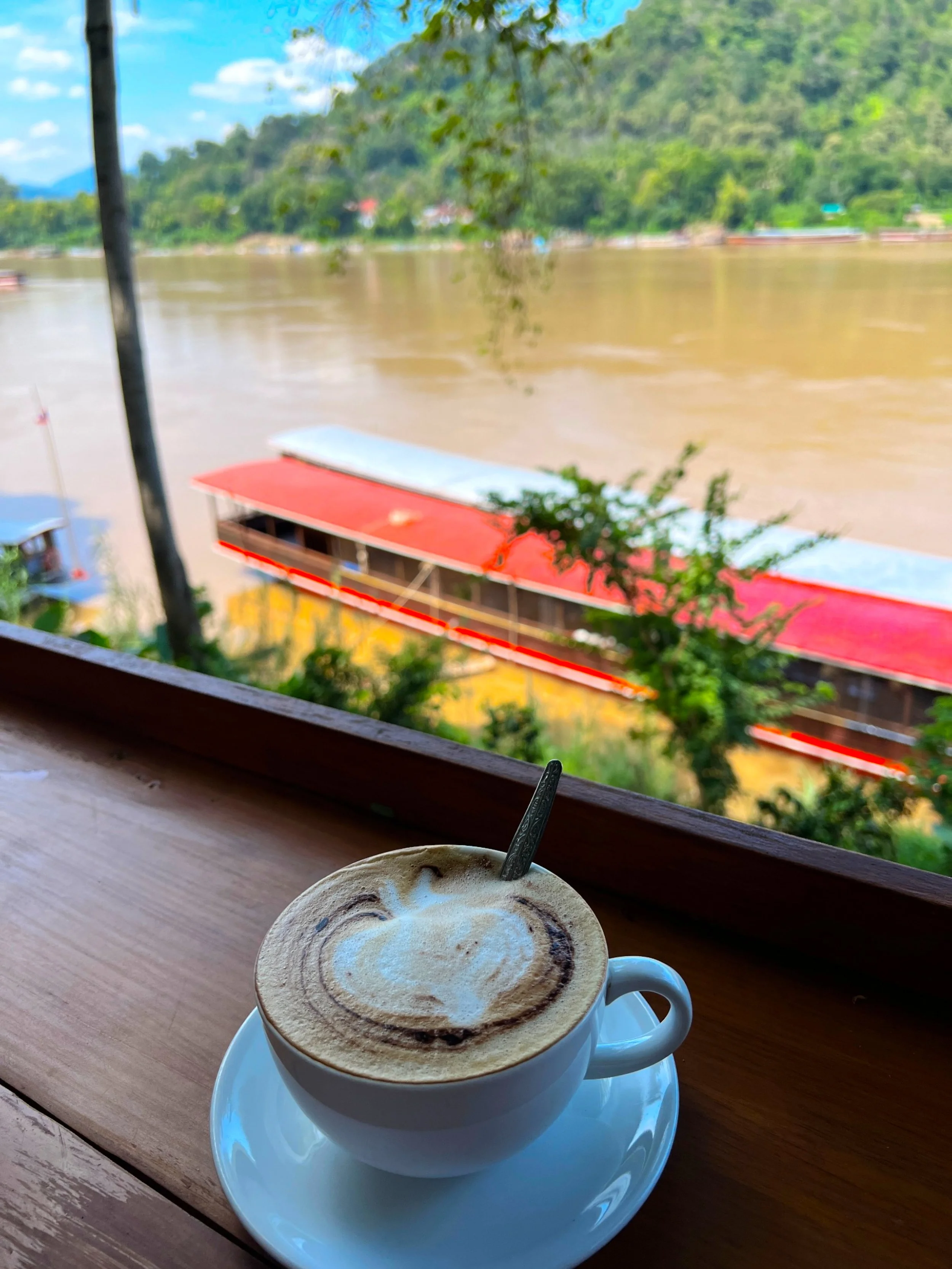
For me, Luang Prabang easily has the best food scene in the country. Whether you are sitting at a nice restaurant overlooking the Mekong River or browsing the lively night market, it is a standout culinary destination. One of my favourite treats while strolling through the markets was grabbing mango sticky rice or mini coconut pancakes.
The city also offers unforgettable local specialities like steamed river fish (mok pa), flavorful vegetable and herb stews (or lam), and fresh vegetarian dishes, with Mandala de Laos standing out as one of my favourite restaurants in town.
These were my favourite culinary destinations; however, there are still a few places I have yet to try that could easily shake up my rankings. I have never been to the Middle East, yet given its blend of Mediterranean and regional flavours, I have a strong feeling it would make my top five. I also haven't explored much of Thailand beyond Bangkok, though I have heard the food across the rest of the country is incredible. Similarly, while I have been to Cusco, I still need to visit Lima—widely considered South America's premier culinary capital—to see if it earns a spot in my top five as well.My Bottom 5: The Worst Food Destinations I’ve Visited
1.Philippines
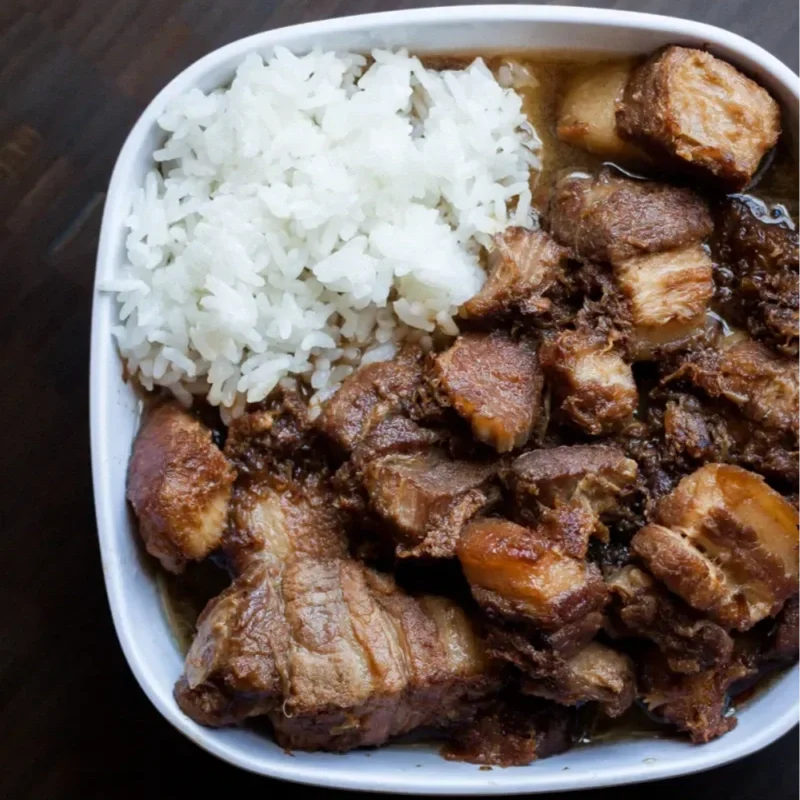
Sorry, Philippines, but the food here was really disappointing for me. Compared to the fresh, herb-packed flavours you find elsewhere in Southeast Asia, the local cuisine felt overwhelmingly heavy and repetitive. Almost every traditional meal seemed to revolve around white rice and rich, oily meat dishes, with very few fresh vegetables or lighter vegetarian options available. While you can certainly find plenty of decent Western restaurants in the tourist hubs, the local food scene itself didn't win me over.
2.Indonesia
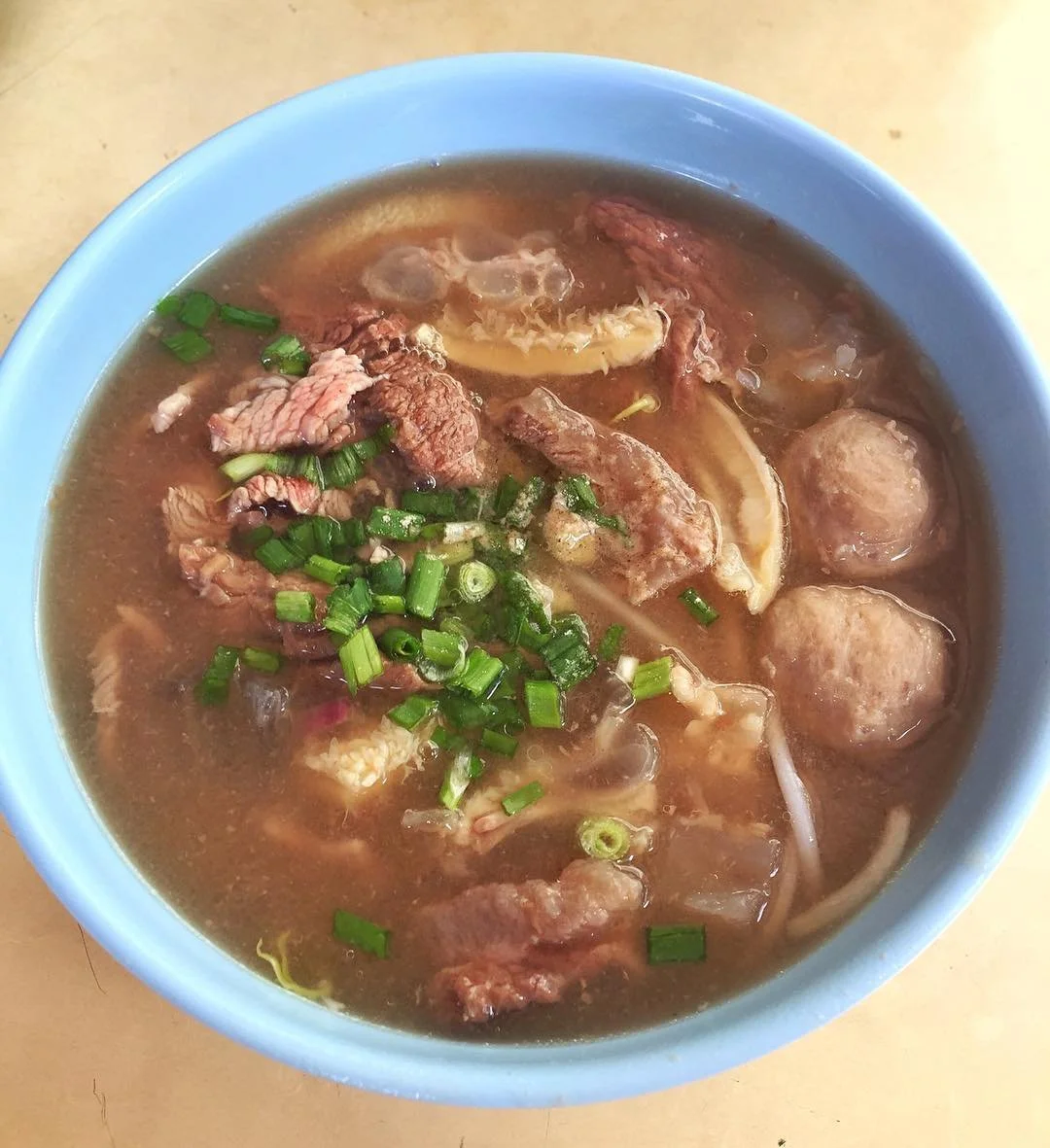
While Bali had plenty of great restaurants and good food, exploring Indonesia’s other islands led to some of the worst meals I have ever tried. In East Java, I was confronted with soups full of unappealing organ meats that I couldn't bring myself to eat. Later, in Raja Ampat, we were served the same meal every single day: deep-fried fish paired with deep-fried plantains. Between the endless repetition and how greasy and unhealthy everything felt, the food outside of Bali was a huge letdown.
3.Réunion Island (France)
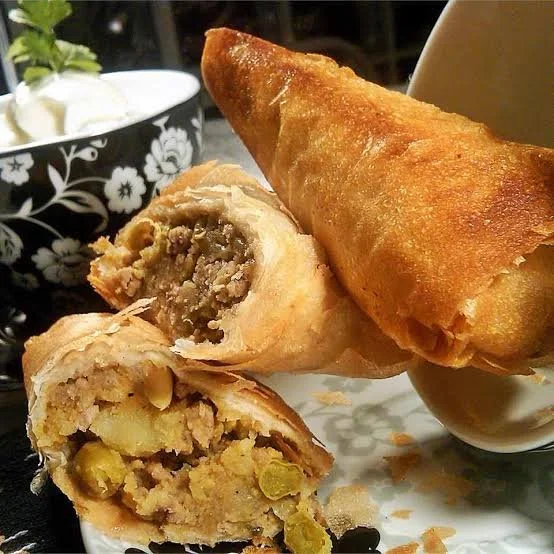
I went to Réunion Island with much higher expectations for the food scene, especially given its tropical setting and French connection. Surprisingly, there wasn't nearly as much fresh fruit available as I expected on an island like this. On top of that, the local street food and everyday meals relied heavily on meat-filled samosas and deep-fried snacks, while fresh fish options were surprisingly limited. Instead of feeling light and tropical, the food felt overly heavy and left me wanting a lot more variety.
4.Bhutan
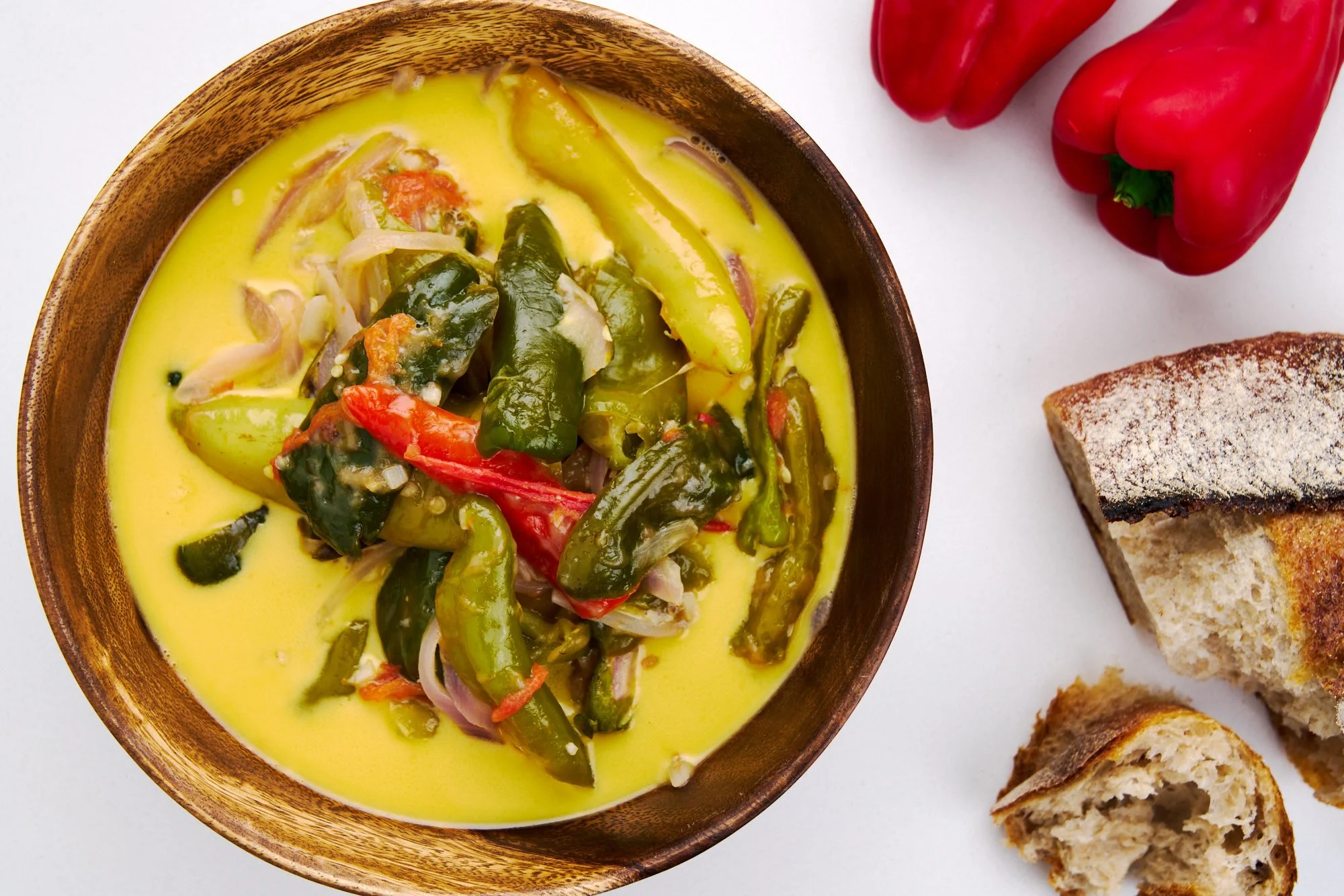
Despite Bhutan being one of the prettiest places I have ever seen, the food was a huge letdown for me. As I mentioned before, I am not the biggest fan of Asian food or rice, and Bhutanese cuisine revolves heavily around both—especially their staple red rice. On top of that, the food is extremely spicy, with chillies treated almost like a main vegetable rather than just a seasoning. Traditional dishes like ema datshi (chillies stewed in a melted cheese sauce), kewa datshi (potatoes and cheese), and spicy stews like jasha maru all packed way too much heat for my palate. My boyfriend, on the other hand, loved it—since he loves both rice and spicy food, it was right up his alley.
5.Nepal
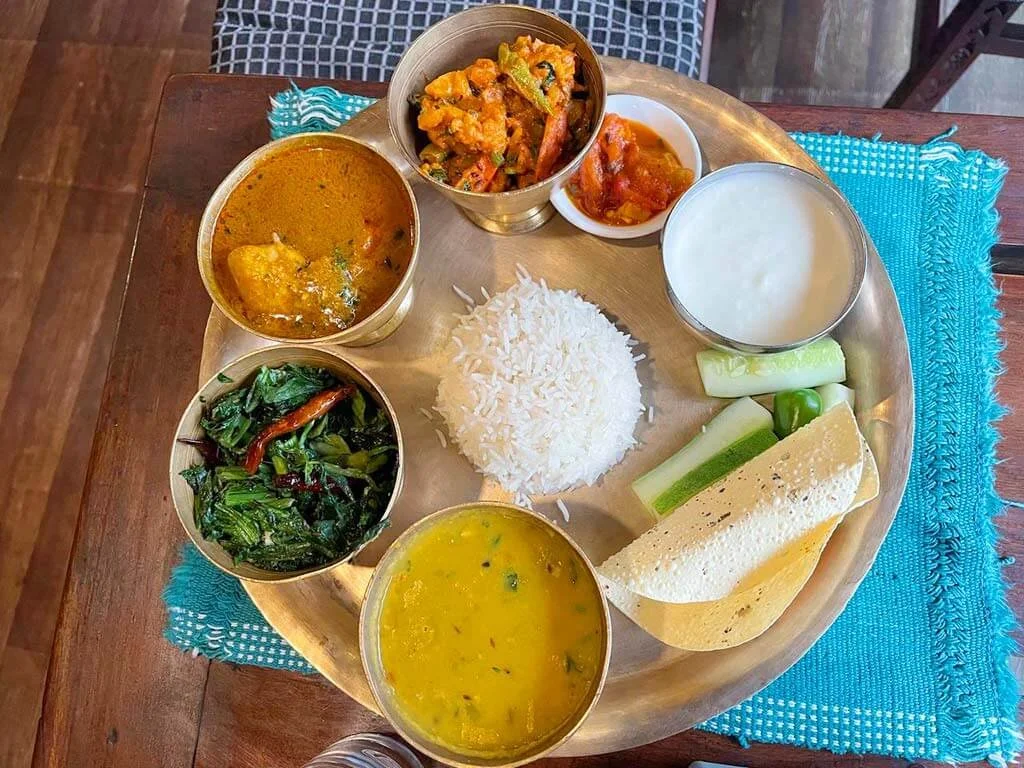
Even though Nepal is one of my favourite countries in the world, the food simply didn’t excite me as much as the landscapes did (sorry, Tenpa—our amazing Everest Base Camp guide!)
Along the trail, there is a famous local motto: "Dal Bhat power, 24 hours—two weeks no shower!" It quickly resonated with us. The Nepalese people truly love their Dal Bhat, a traditional platter of steamed rice, lentil soup, spiced vegetable curry, and pickles, and it was the staple dish served at almost every stop during our Everest Base Camp trek. While it certainly gave us the energy we needed to climb, after just a few days of eating it, I couldn't even look at another grain of rice.
That said, I was genuinely impressed by the sheer variety of other options available at the high-altitude tea houses. Considering everything has to be carried up the mountains by porters or yaks, having menus with pasta, fried noodles, soups, and even baked goods meant I really couldn't complain.
Beyond Dal Bhat, other popular traditional Nepalese dishes include:
Momos: Tibetan-style dumplings filled with spiced vegetables, chicken, or yak meat, usually steamed or pan-fried and served with a fiery tomato-and-sesame dipping sauce.
Thukpa: A hearty, comforting noodle soup loaded with vegetables and meat, perfect for freezing mountain nights.
Sherpa Stew (Shakpa): A thick, rich broth packed with hand-pulled dough noodles, potatoes, root vegetables, and yak meat, made specifically to warm you up at high altitudes.
Sel Roti: A traditional, ring-shaped sweet rice bread that is crispy on the outside and soft on the inside, often enjoyed with a cup of hot masala tea.
Ultimately, Nepalese food isn’t bad at all—it’s hearty, comforting, and fuels you for the toughest treks. It’s just not my kind of food (sorry again, Nepal!). Thankfully, my boyfriend loved it, so nothing ever went to waste!
Thank you so much for reading this post! Supporting small creators means the world to me. If you’d like to help my channel grow, consider subscribing and becoming a BohLand Member. Check out the details below to learn more!