I VISITED THE WORLD’S HAPPIEST KINGDOM, BHUTAN
After completing the Everest Base Camp trek, we decided to continue our Himalayan adventure by visiting Bhutan. But before diving into our travel experience, there are a few things you should know about this unique destination.
INTERESTING FACTS ABOUT BHUTAN
1- Strict tourism regulations
All international visitors are taxed a "sustainable development fee" of $100 a night. This will be on top of the costs of accommodation, guides, and other services. The fee is designed to regulate tourism and preserve Bhutan's unique culture. Additionally, visitors must travel with licensed tour operators to preserve their cultural heritage. Travel must be booked in advance through a travel agency before arrival in Bhutan. They will arrange everything, from tours, food, flights, visas, and accommodations, but it’s definitely not cheap!
2- World’s happiest country
Bhutan is considered to be the world’s happiest country; in fact, it values gross national happiness over economic growth. Their focus on well-being, sustainability, education, and cultural heritage sets them apart from other nations.
3- Bhutan is a carbon-negative country
Bhutan is one of only 3 carbon-negative countries in the world. This means that they absorb more carbon dioxide than they produce; in fact, 70% of the country is covered in trees.
4- Mountaineering is banned
Even though Bhutan is in the heart of the Himalayas and blessed with many 7000er peaks, mountaineering is banned for mountains higher than 6000 m, as the highest peaks are considered sacred and the home for gods and spirits.
MY EXPERIENCE IN BHUTAN
The flight from Kathmandu to Paro was truly special: we flew past Mount Everest and its neighbouring peaks. I chose a window seat on the left side of the plane, which offered the best views of the Himalayas.
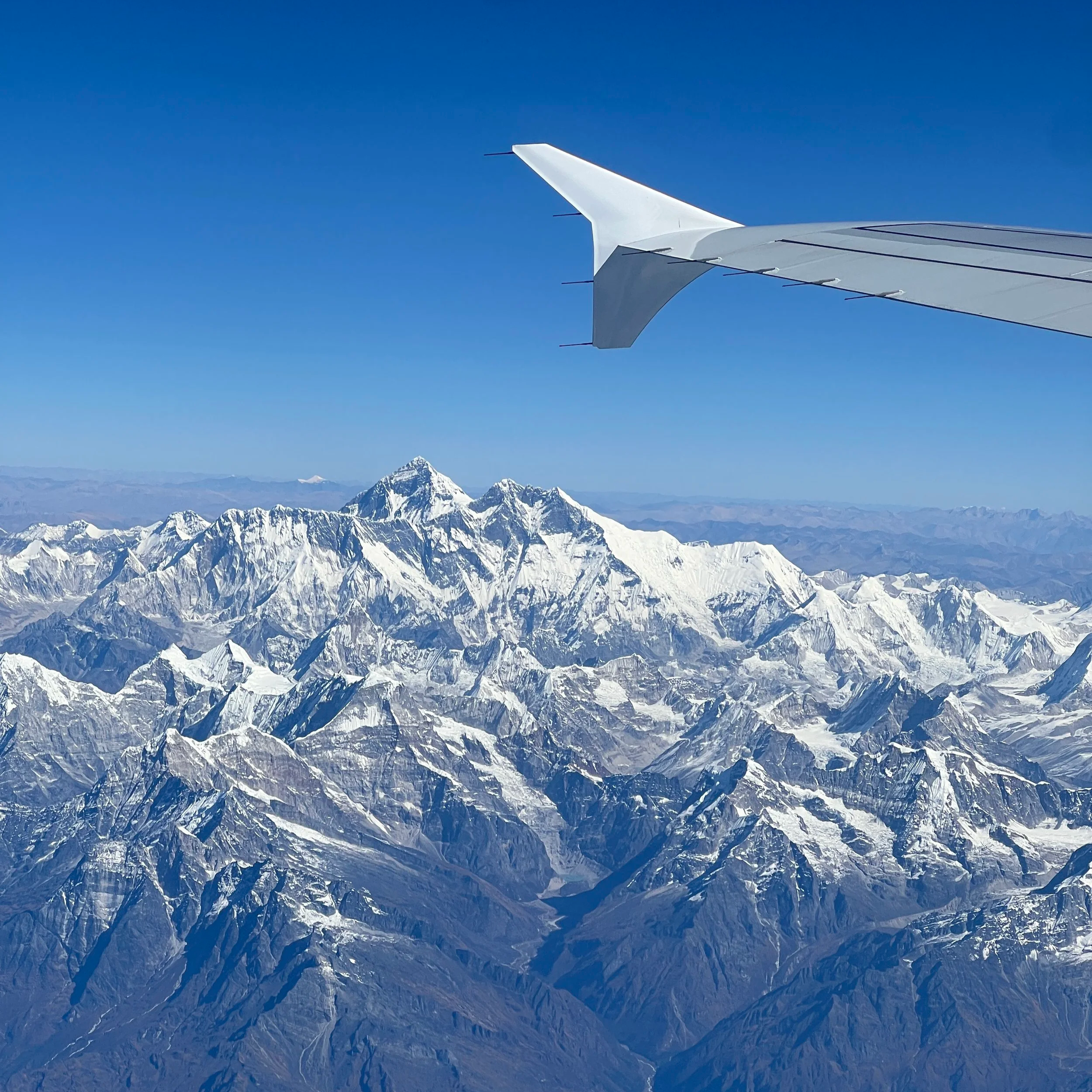
Before landing in Bhutan, the plane flew between narrow valleys. It was quite impressive to see — not for the faint of heart! Bhutan’s Paro International Airport is considered one of the most technically difficult landing sites in the world; in fact, only about 50 pilots are qualified to land there.
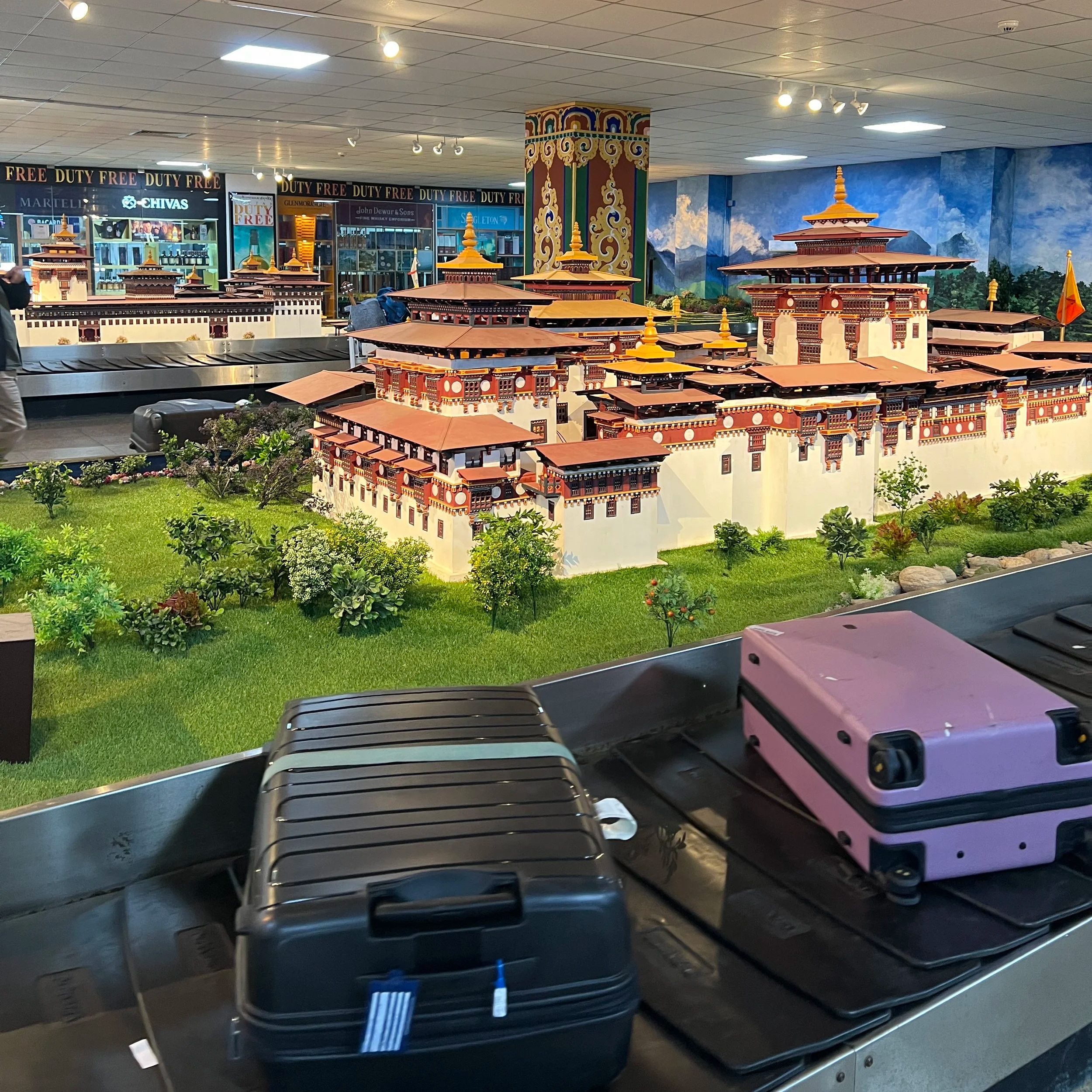
As you step off the aeroplane in Paro, you are greeted by a terminal building unlike any I have ever seen, with a large portrait of Bhutan’s royal family immediately catching your eye. The biggest difference from Nepal was the lush greenery everywhere, the fresh, clean air, and the attention to every detail — from the traditional architecture to the beautifully decorated interior of the airport itself.
At the airport, we were greeted by our guide and driver, who would be spending nine days with us. Our guide placed a white ceremonial scarf called a khata around our necks, a traditional gesture of welcome. As mentioned before, it is mandatory to have a guide while visiting Bhutan. I can’t deny that it’s not a cheap destination, especially because you also have to pay the daily Sustainable Development Fee. But it’s truly a once‑in‑a‑lifetime trip, and absolutely worth it. By preserving the country in this way, Bhutan aims to prevent mass tourism; in fact, during our stay, we hardly saw any other foreigners. I think it’s a great example for other countries that are being damaged by extreme numbers of tourists.
What We Saw in Bhutan
THIMPU
During our first couple of days, we visited Thimphu, the capital and largest town of Bhutan. The city is surrounded by green mountains and is home to approximately 100,000 people.
We took a stroll around the city and visited the local market, where people were selling fresh vegetables, spices, and plenty of red chillies, which are an essential part of Bhutanese cuisine. My first purchase was a jar of Himalayan honey. (For those who know me, I have a strong love for honey, probably passed down from my uncle, who used to be a beekeeper. Every August, when I was a child, we would harvest the honey together.) The honey from Bhutan was probably the best I’ve ever had—though the Nepalese honey definitely comes close!
On the streets, we saw that most locals still wear traditional dress as a symbol of cultural pride — a feature that sets Bhutan apart from many other nations.
To preserve the country’s heritage, citizens must wear their traditional outfits at formal events and during religious ceremonies.
With our guide, we visited a few religious sites in Thimphu. He was a very religious man, passionate about meditation and eager to share his love for his faith.
GOLDEN BUDDHA STATUE
We visited the Golden Buddha Statue (Buddha Dordenma), a 54‑meter masterpiece ranked among the largest Buddha statues in the world. It can be seen from many parts of the Thimphu Valley.
The Memorial Chorten Stupa
In the heart of the city, we visited the Tibetan-style stupa, built to commemorate the third king of Bhutan. we enjoyed the serene atmosphere and observed the devoted spinning the prayer wheels. You can really feel, how the Buddhist religion still plays an important role in the daily life of Bhutanese people.
Tashi Chhodzong བཀྲ་ཤིས་ཆོས་རྫོང།
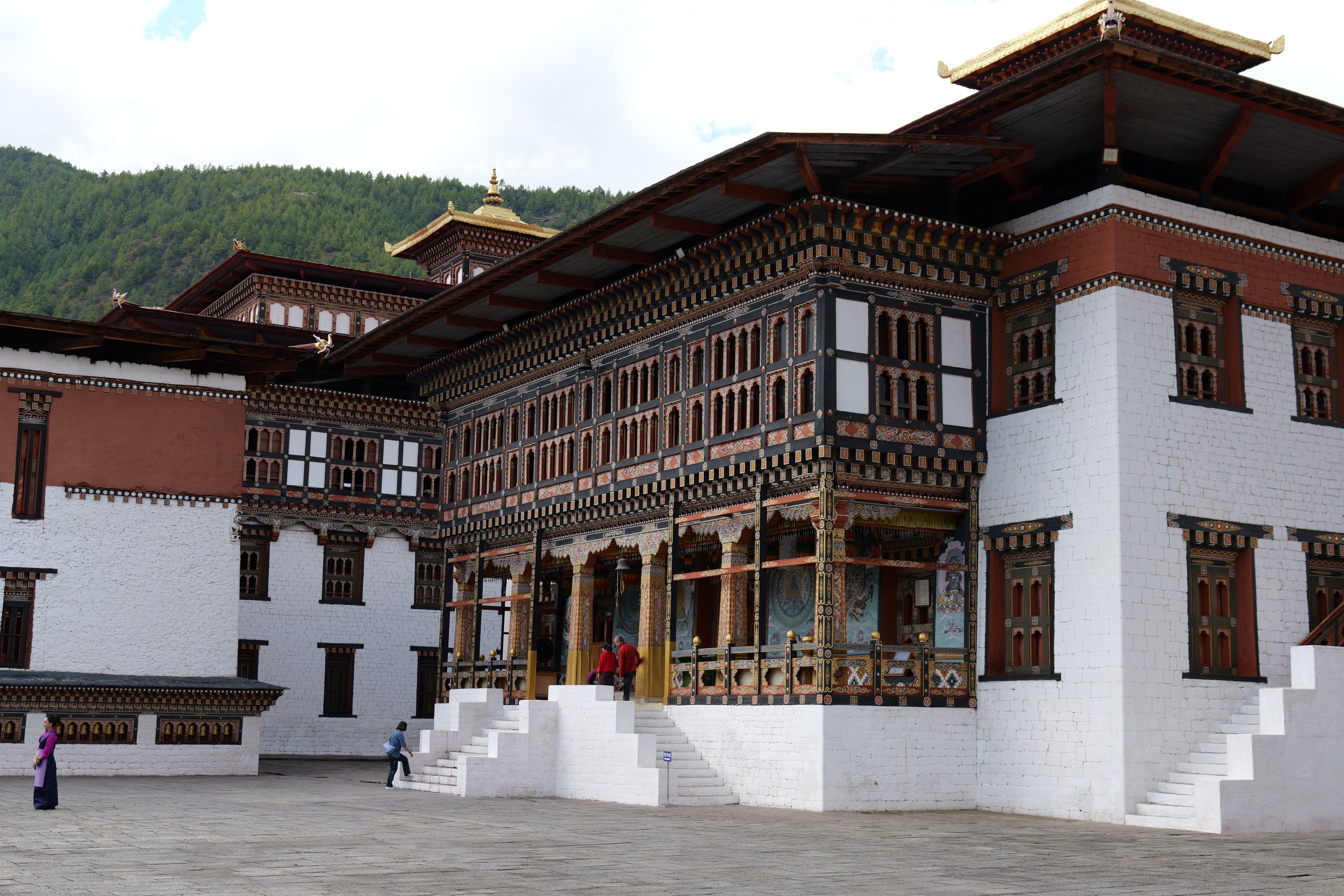
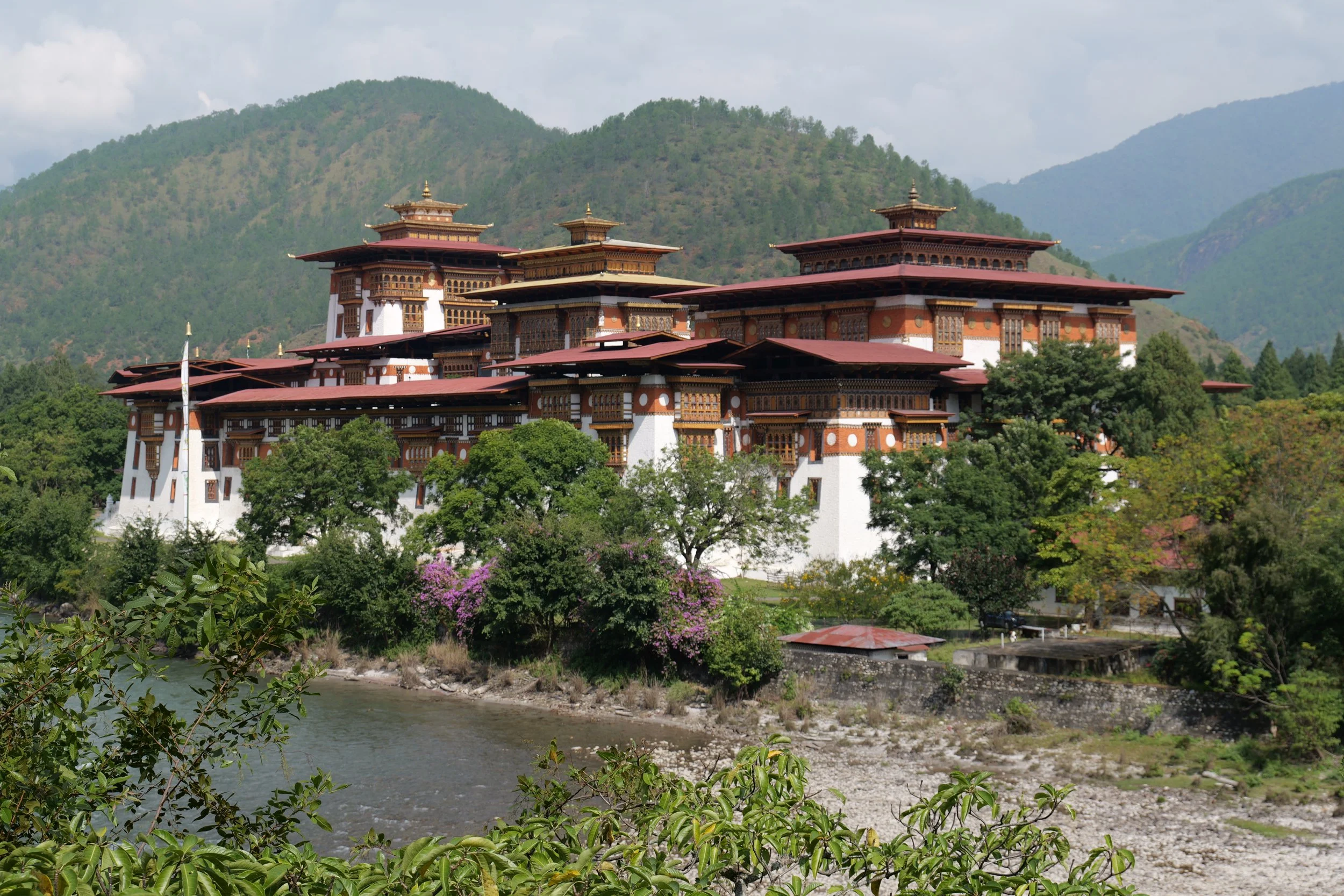
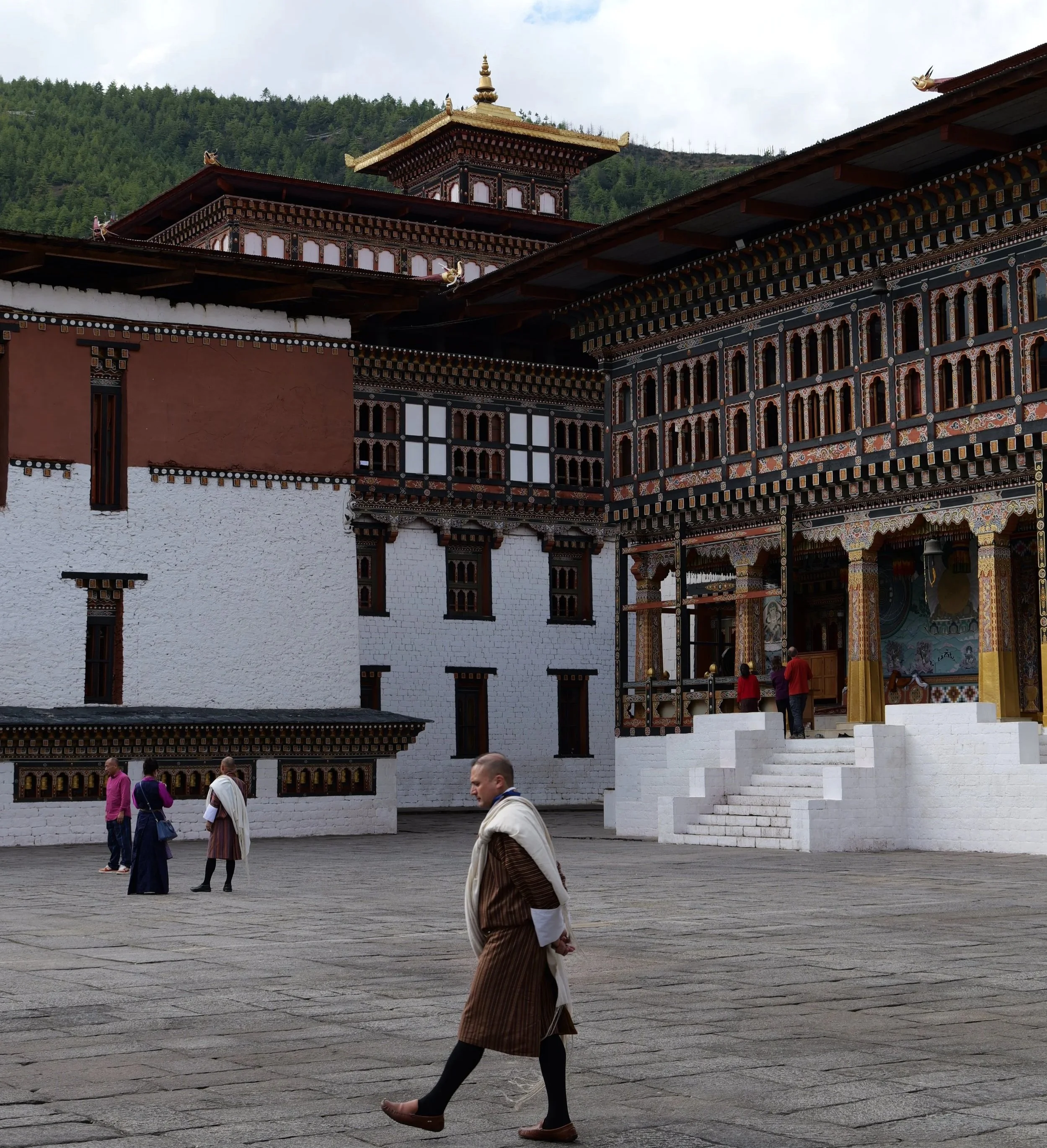
One of the most beautiful structures in Bhutan is located in Thimphu. This Buddhist monastery and fortress houses the throne room and offices of the king, as well as the ministries of home affairs and finance. Every year, in early October, the popular Thimphu Festival is held here, featuring traditional mask dances and chants.
It was the most beautiful monastery I’ve ever seen — an absolute must when visiting Bhutan.
ARCHERY
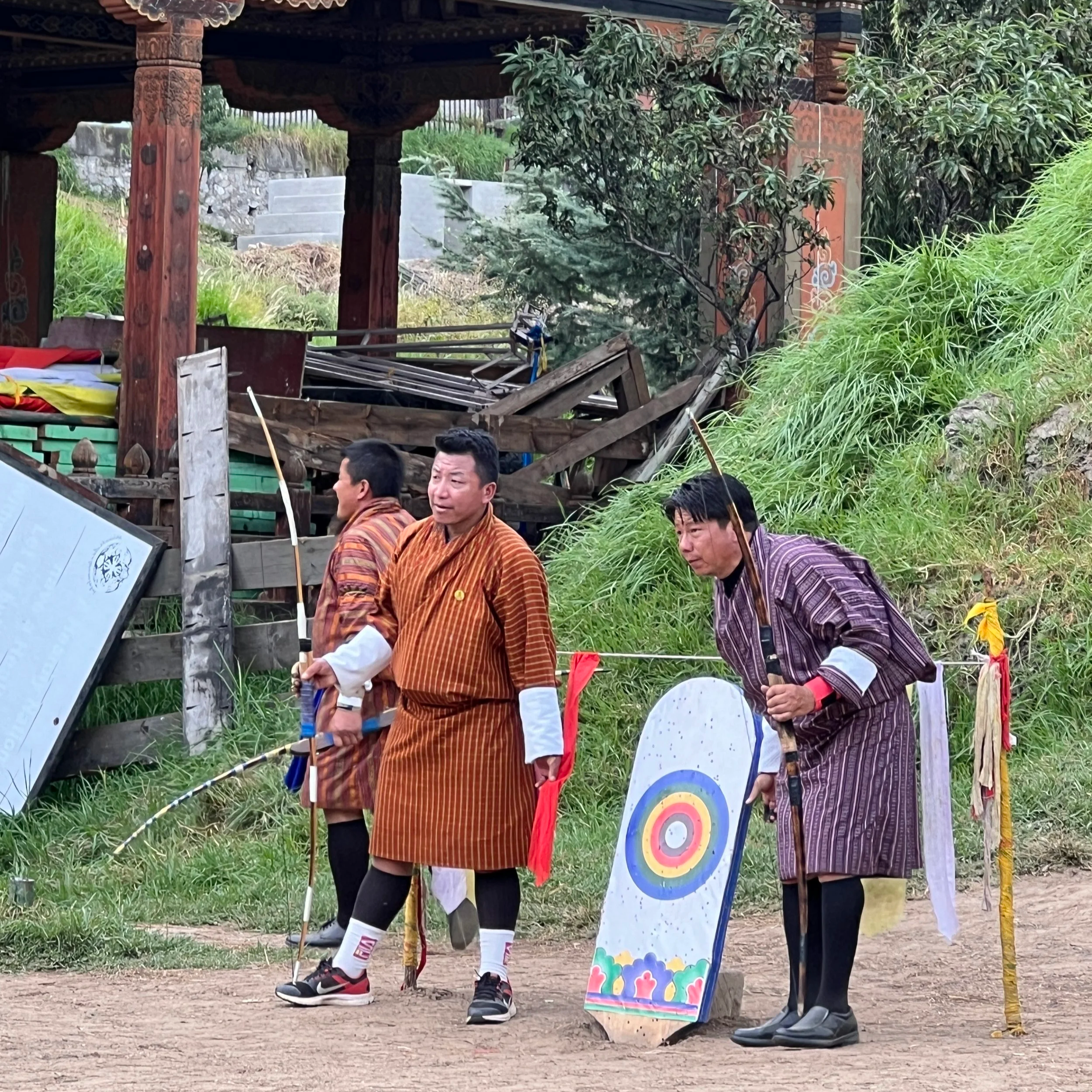
For our last activity in Thimphu, we watched an archery competition. Archery is practised throughout the country and is Bhutan’s national sport.
The Day We Hiked to a Monastery on a Forested Mountain and Spent the Night with the Monks
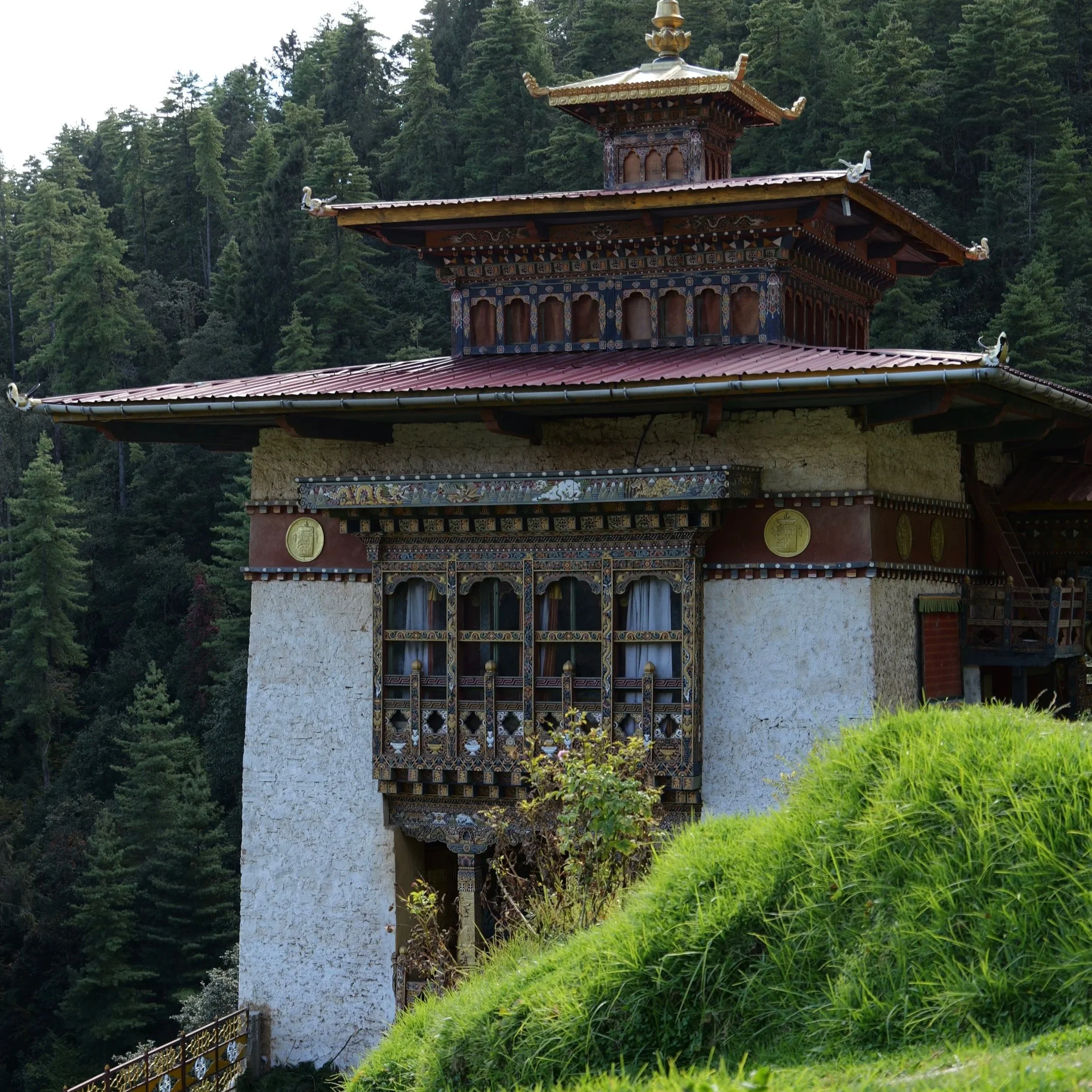
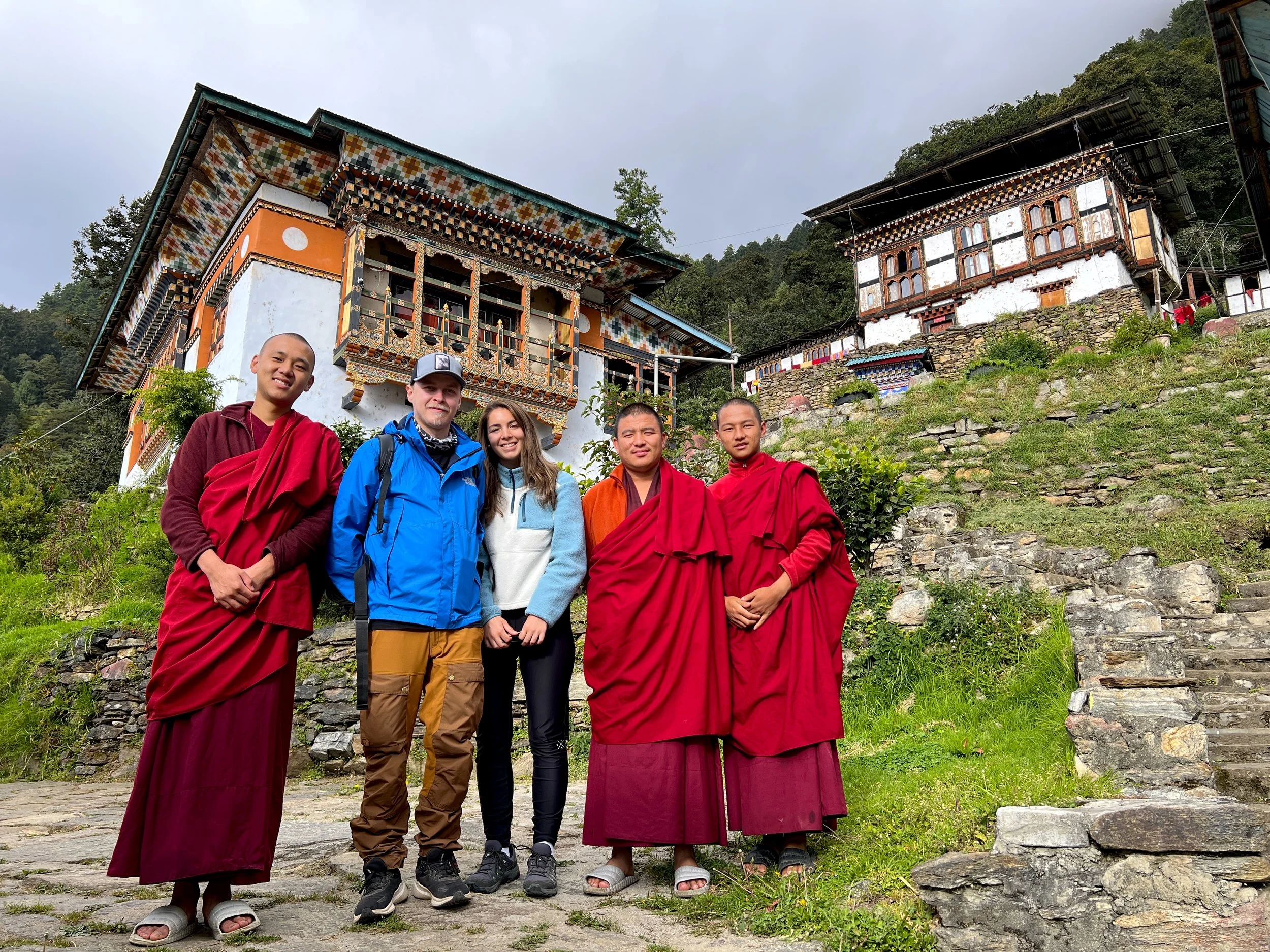
My favourite experience in Bhutan was when we spent the night at the Dodeydra Monastery. To get there, we had to hike for two hours from Thimpu up to an elevation of 3000 meters. After hiking in Nepal, we weren’t very excited, but in the end it was definitely worth it!
Dodeydra is a 239-year-old monastery perched on the hilltop of the city. The monastery is hidden inside the forest and gives you a feel of a lost land.
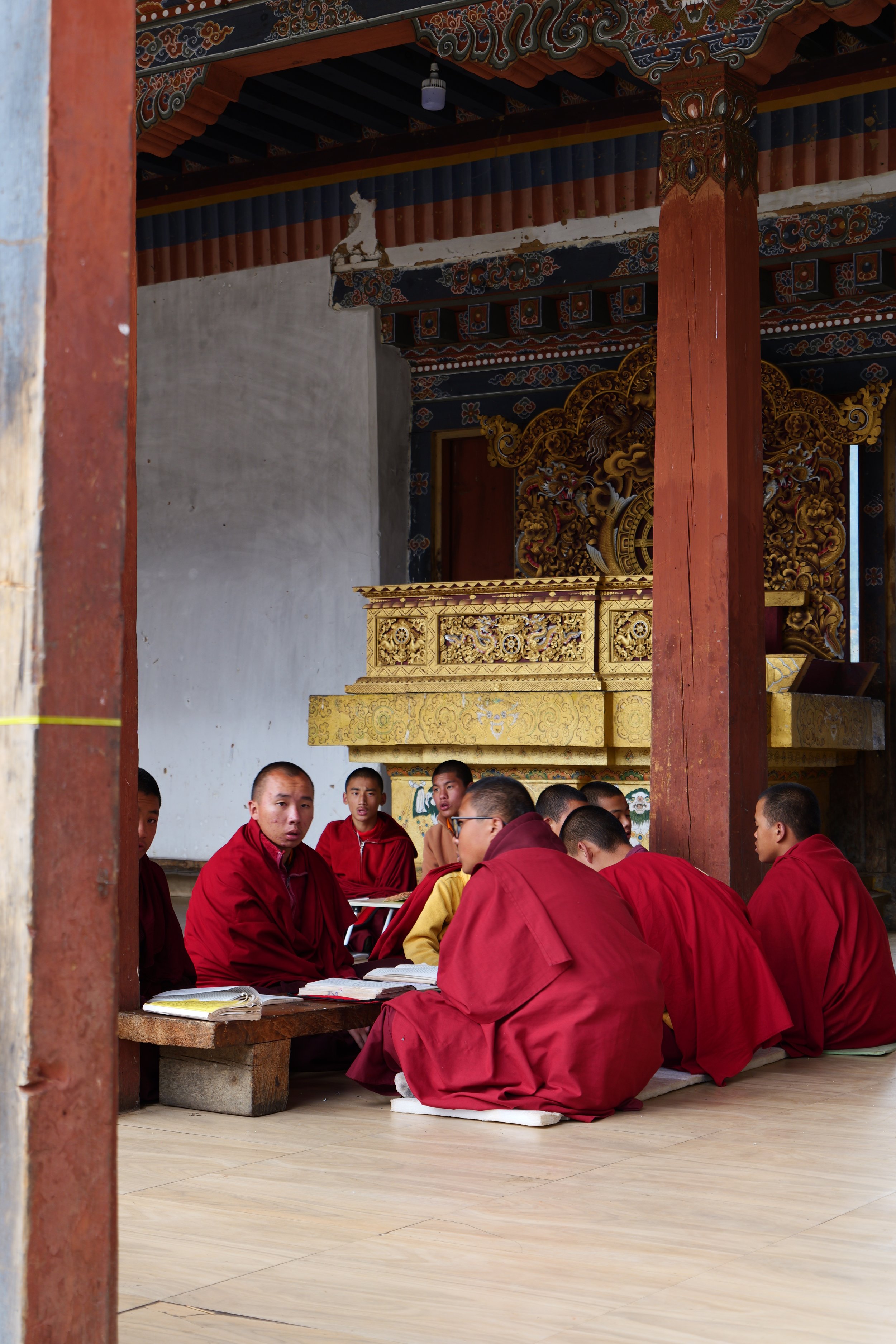
Around the temple, we saw many houses that shelter about 175 monks who are studying there. We witnessed their daily routines: meditation practice, Buddhist teachings, and everyday chores.
It was a truly off‑the‑beaten‑path experience. The monks invited us to eat with them, sleep in the guesthouse, and ask questions about their lives.
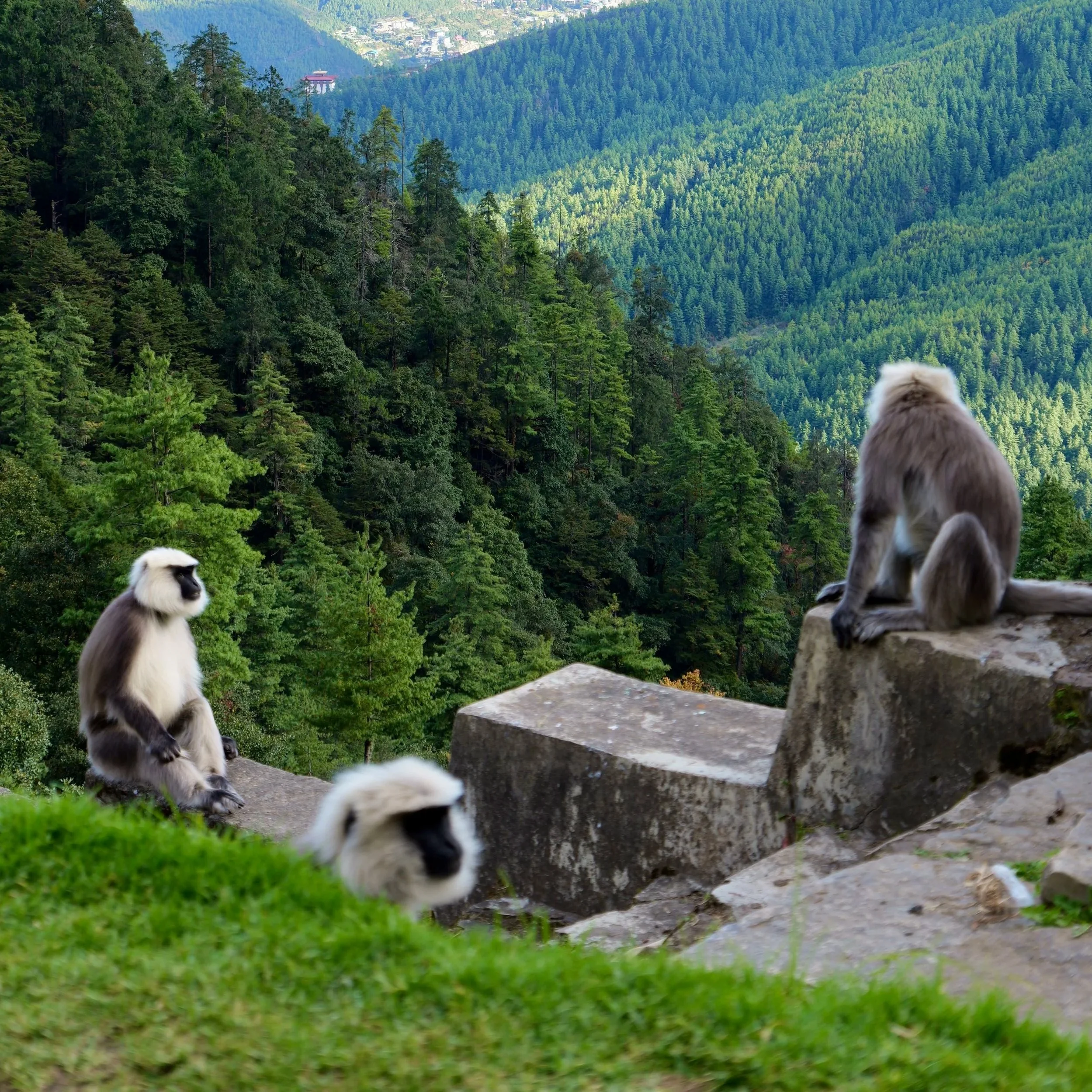
The colourful temples blended beautifully with the forest and pristine nature around them — and we even had wild monkeys come to visit!
That day I wasn’t feeling well — I had some stomach issues — but the monks took very good care of me. They brought me tea and medicine and made sure I was comfortable in my room.
GANGTEY VALLEY ཕོབ་སྦྱིས་ཁ
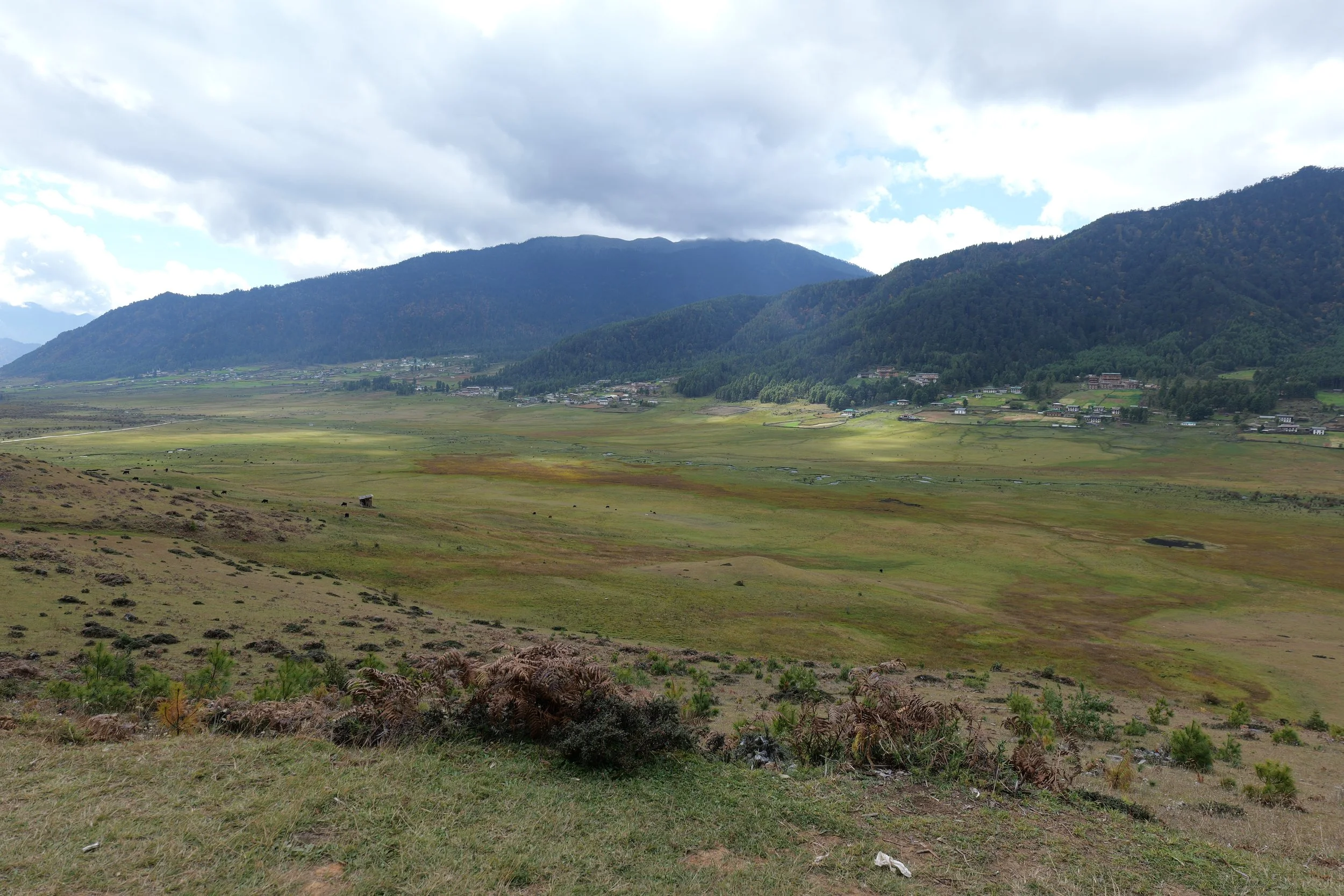
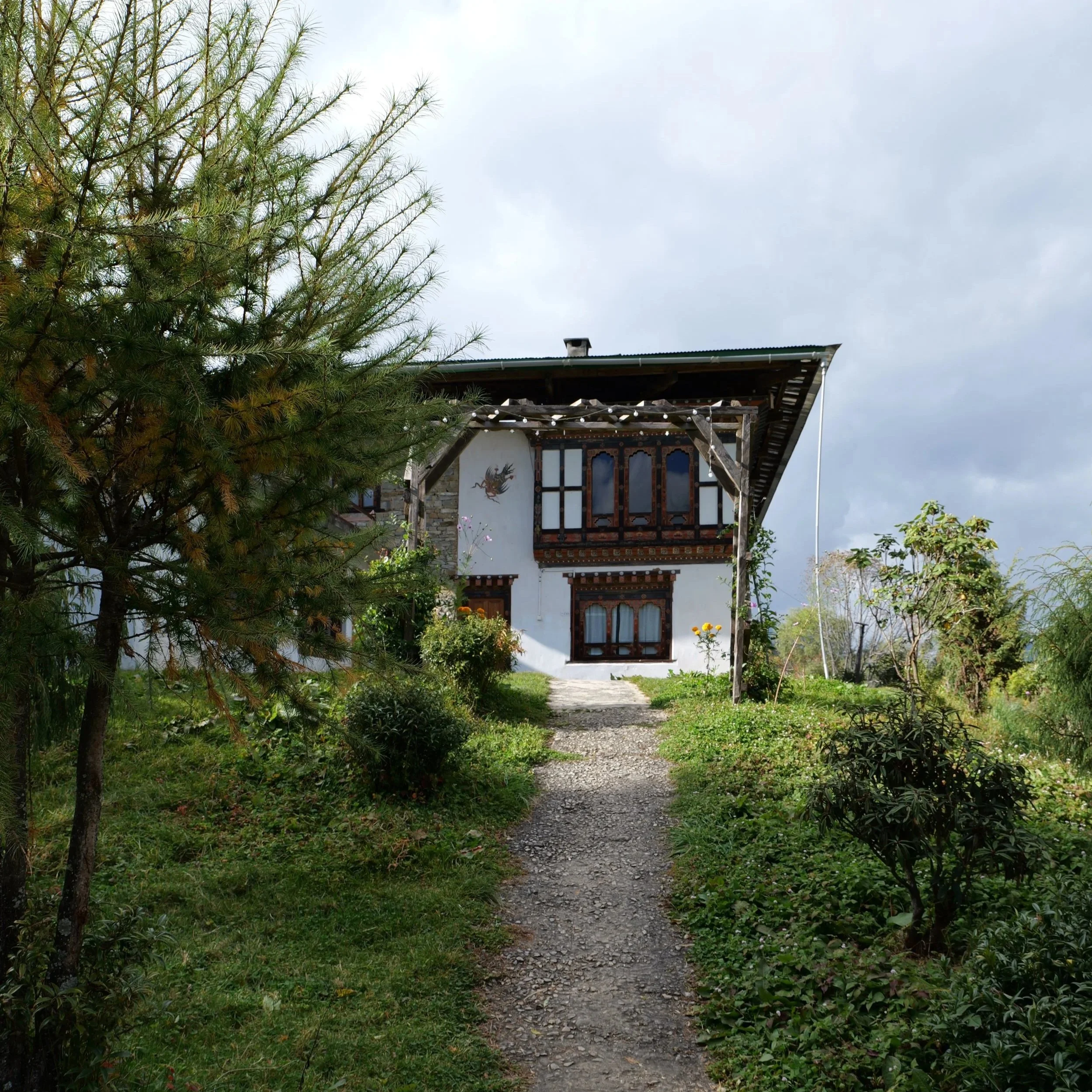
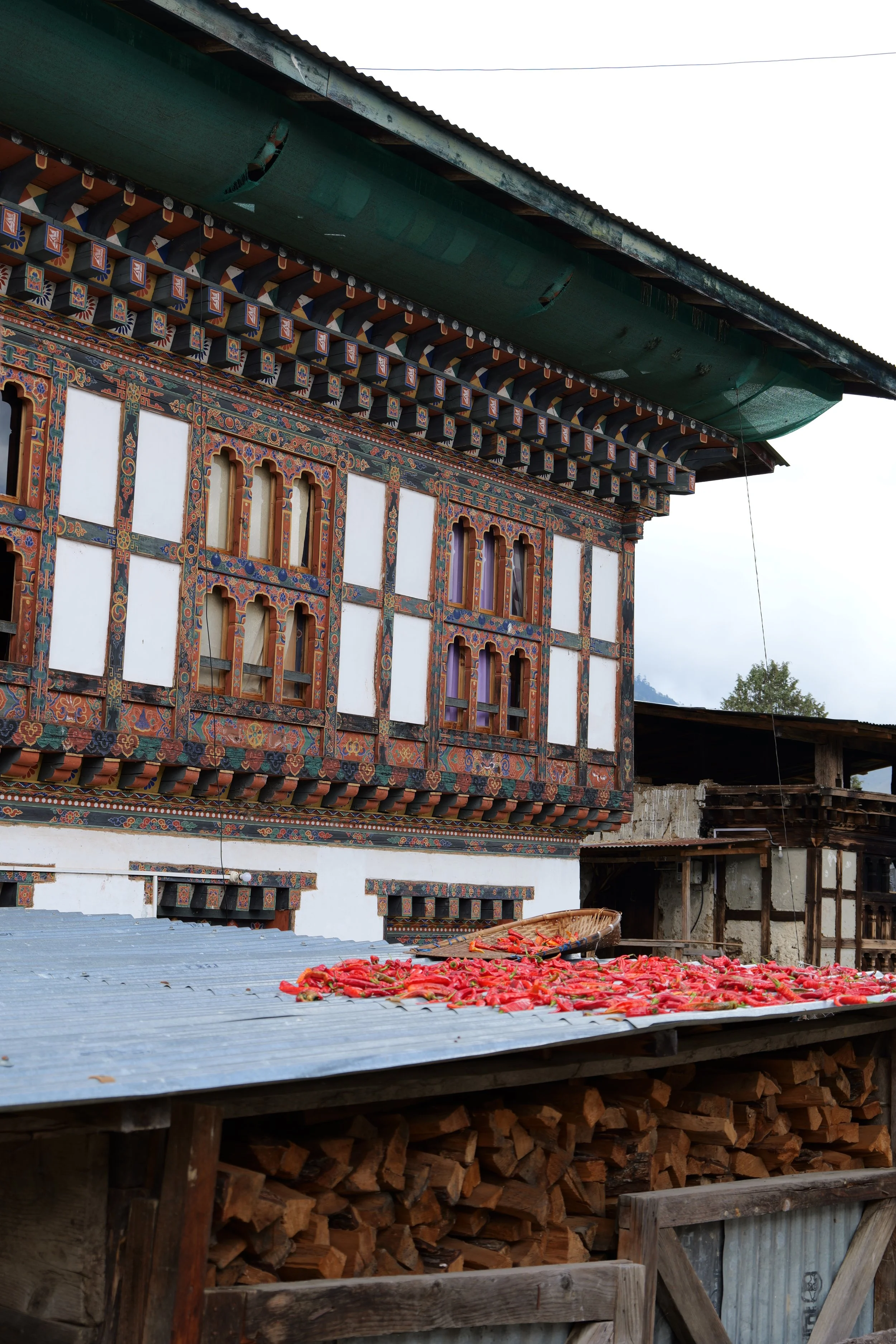
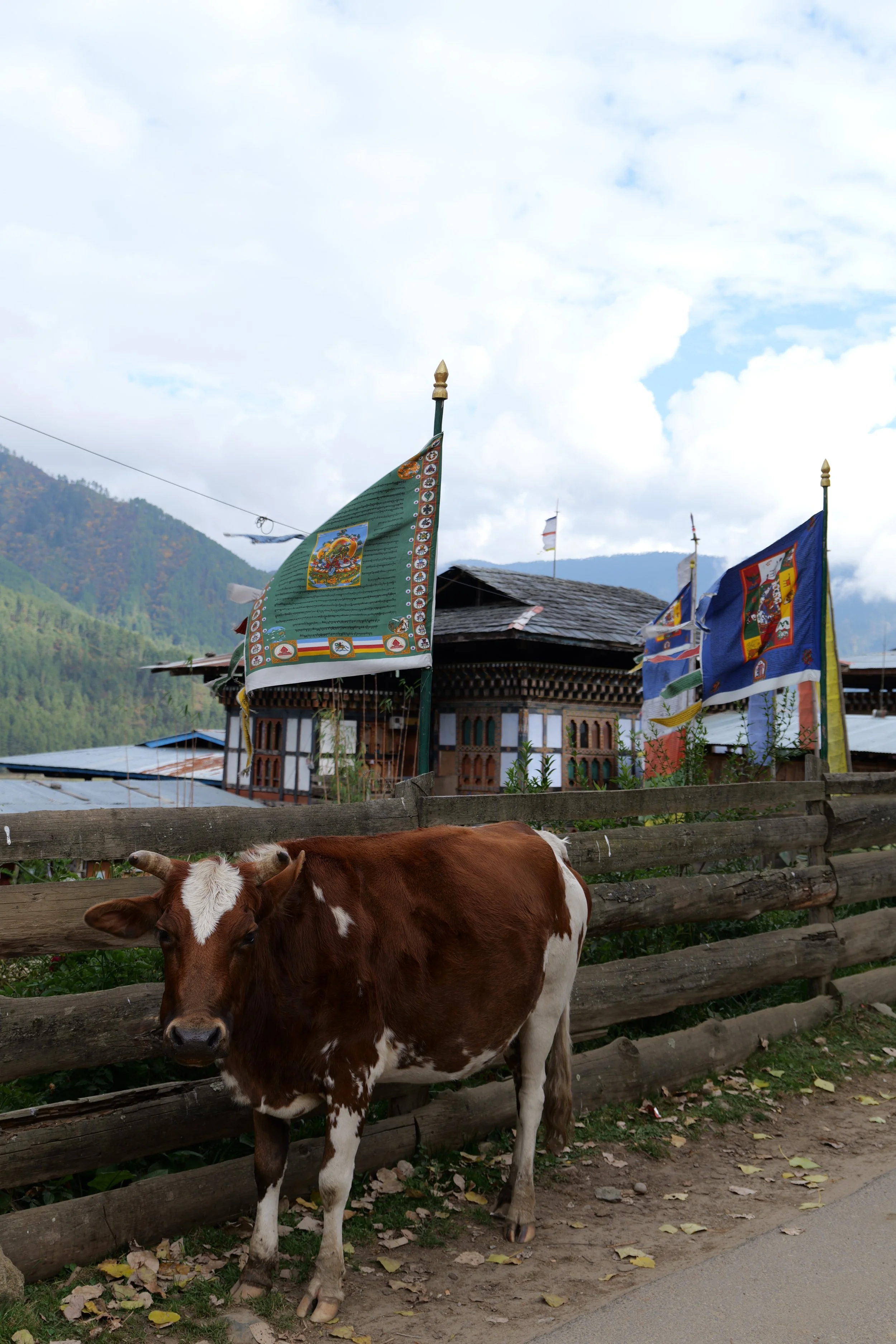
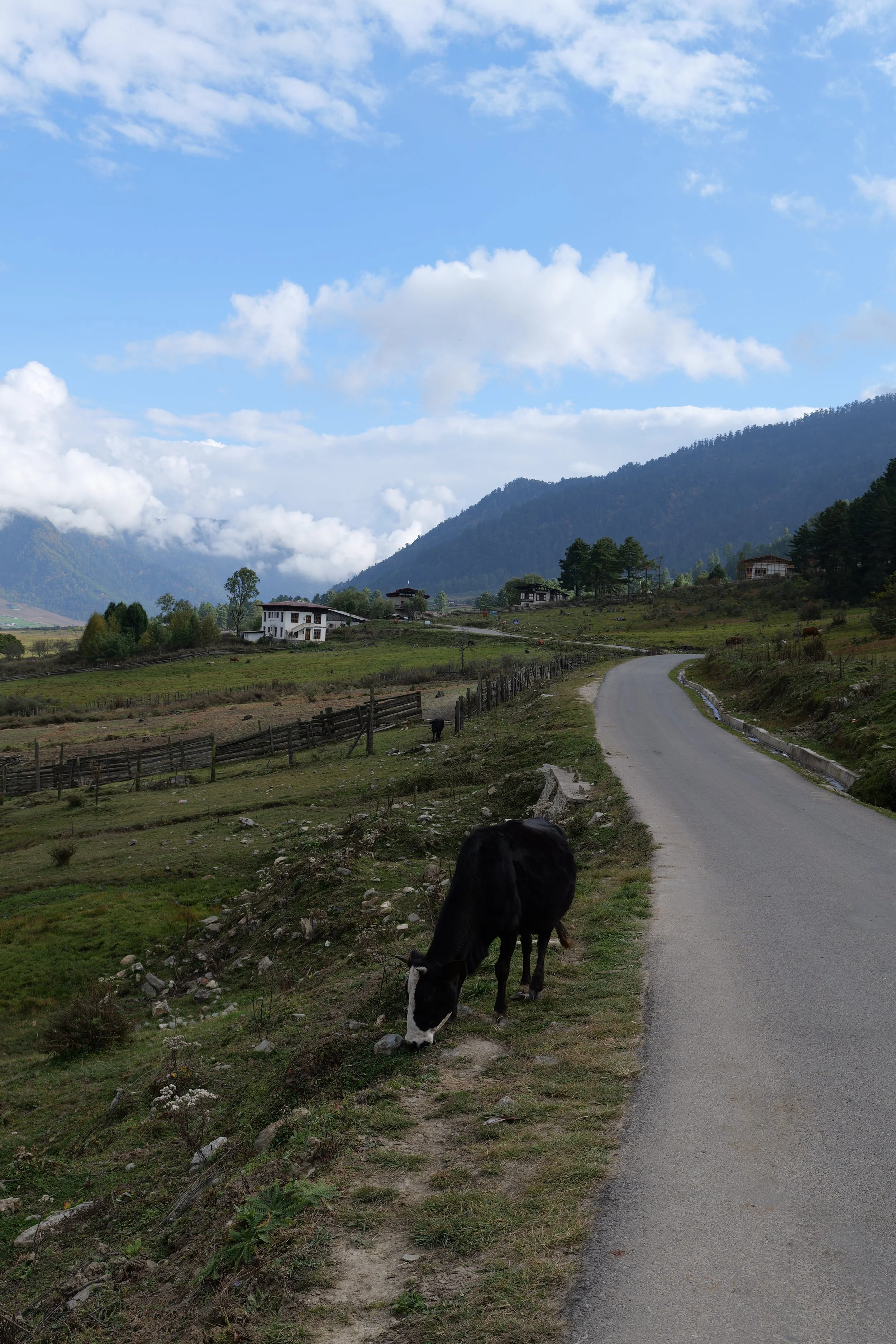
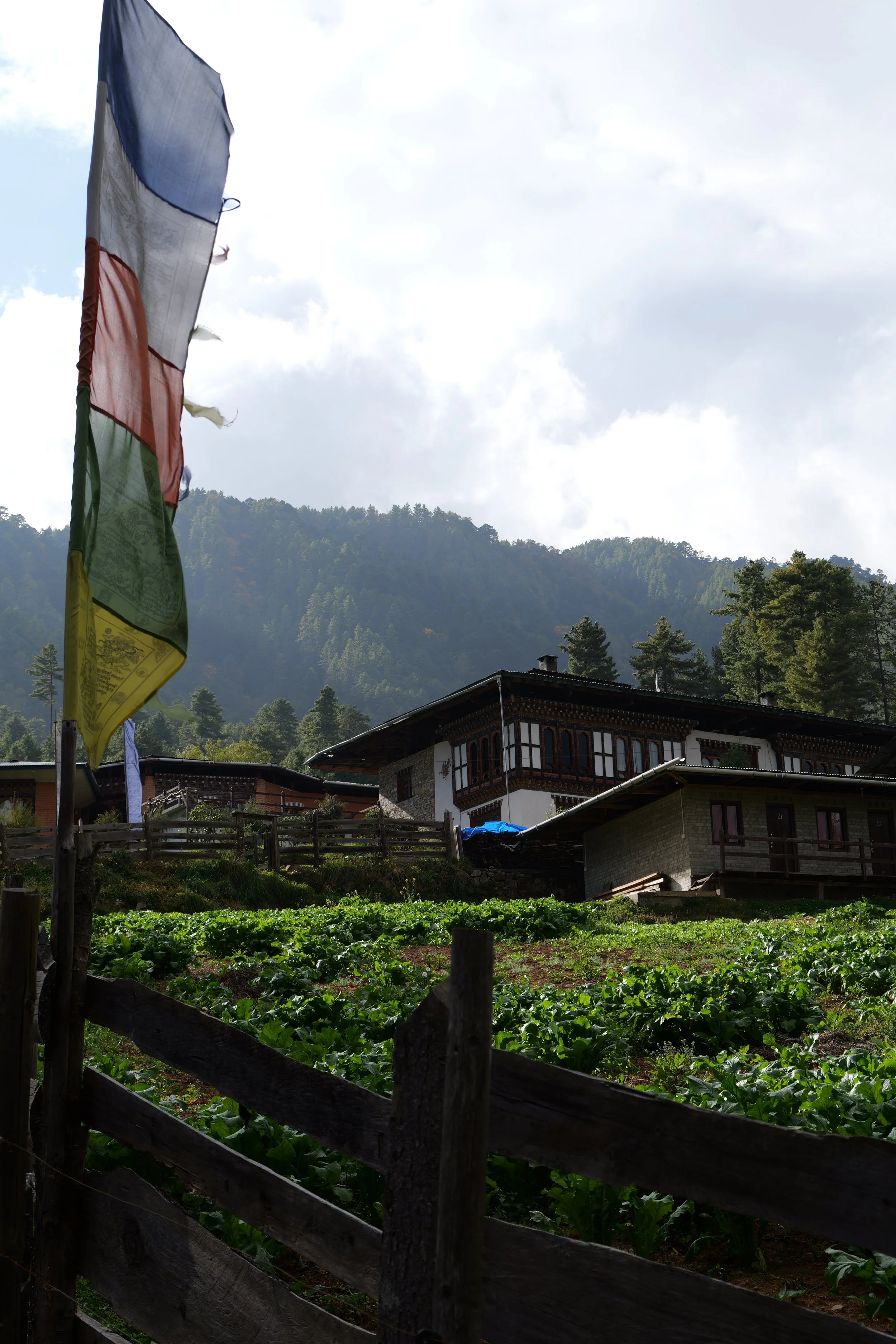
Another beautiful destination that we visited was the Gangtey Valley, located in the heart of Bhutan. This secluded region with unspoiled landscape offers you a rare glimpse into traditional Bhutanese culture — an untouched corner of the world where authentic rural life still thrives.
When we arrived, after a few hours of driving, we went for a walk in the forest and around the village. As we explored the valley, we began to understand why this was our guide’s favourite place. We encounter hardworking farmers using age-old methods, and their daily routines unchanged for generations.
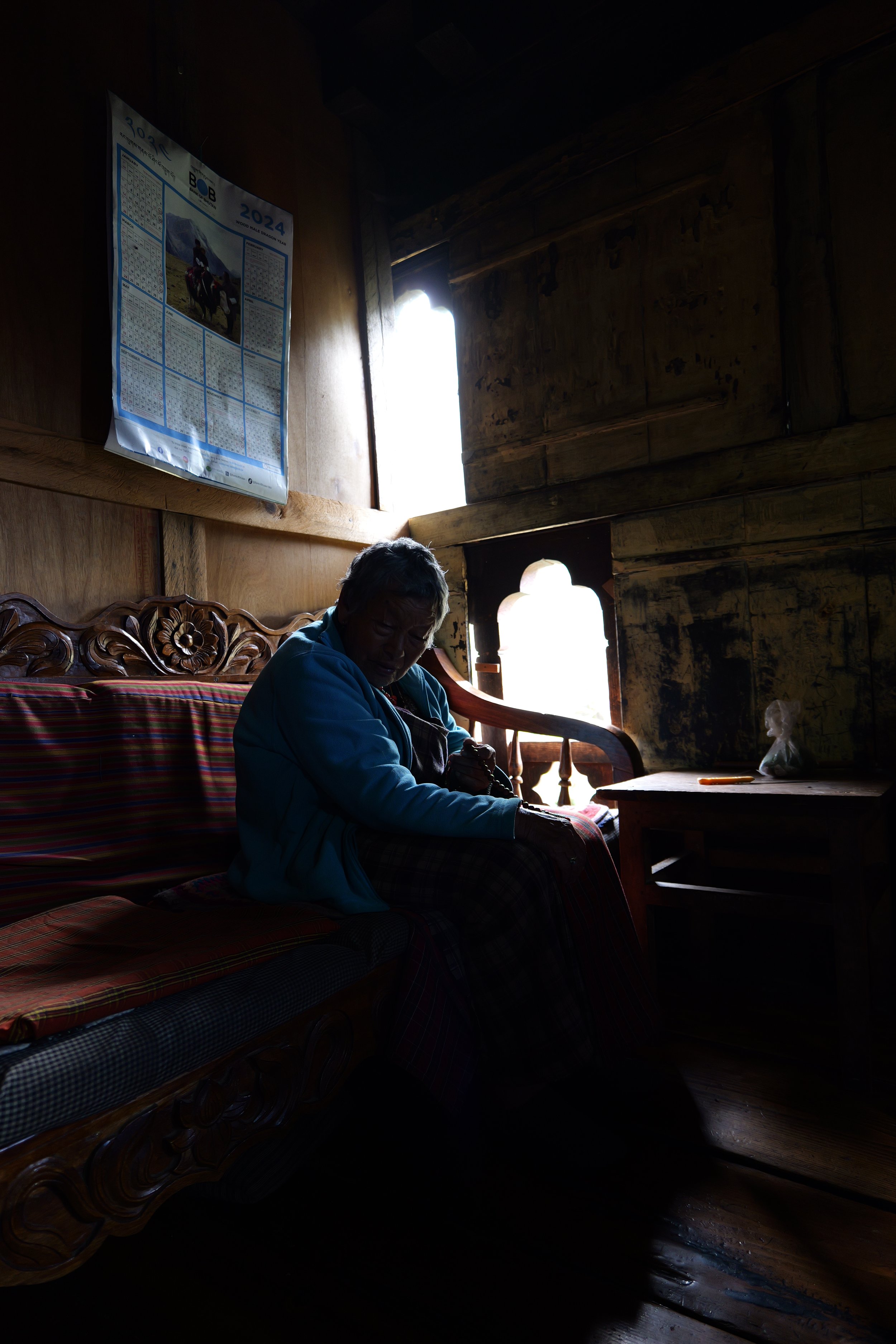
One of the best experiences was having lunch with a local family of farmers. They made us try homemade Ara, a traditional distilled liquor made from maize, barley, rice, and wheat.
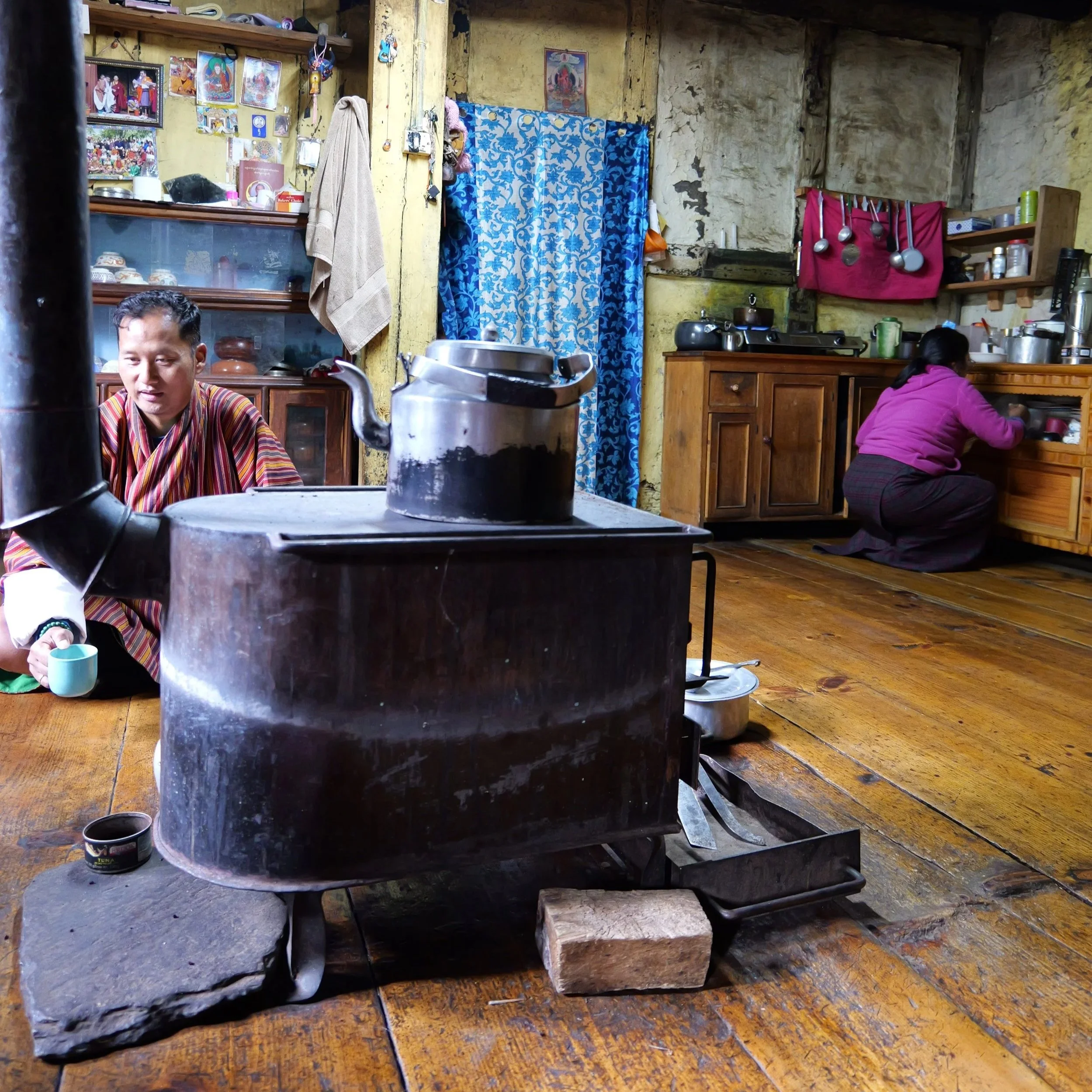
At the end of the day, we relaxed in the traditional guest house where we were staying for two nights.
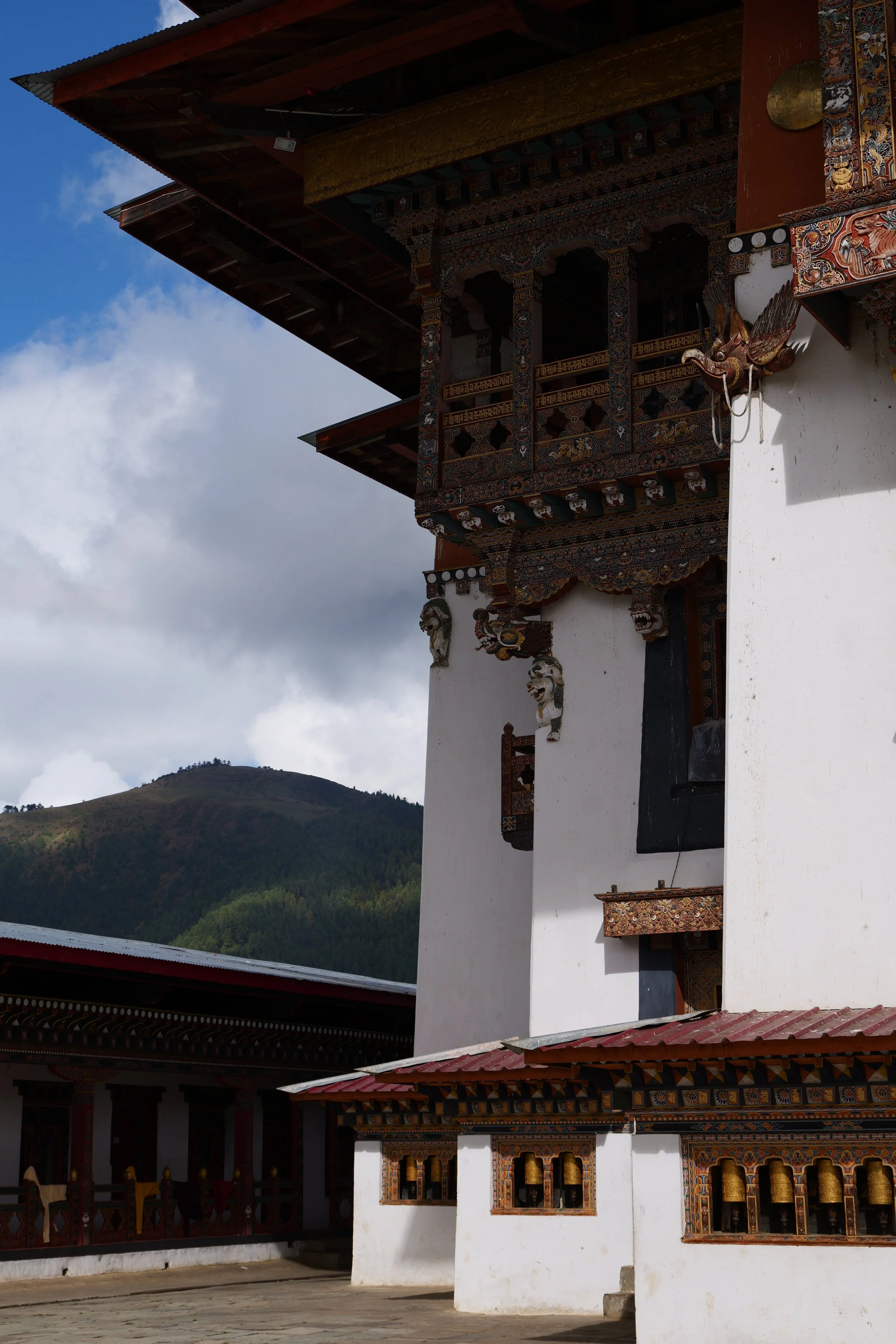
GANGTEY MONASTERY སྒང་སྟེང་དགོན་པ
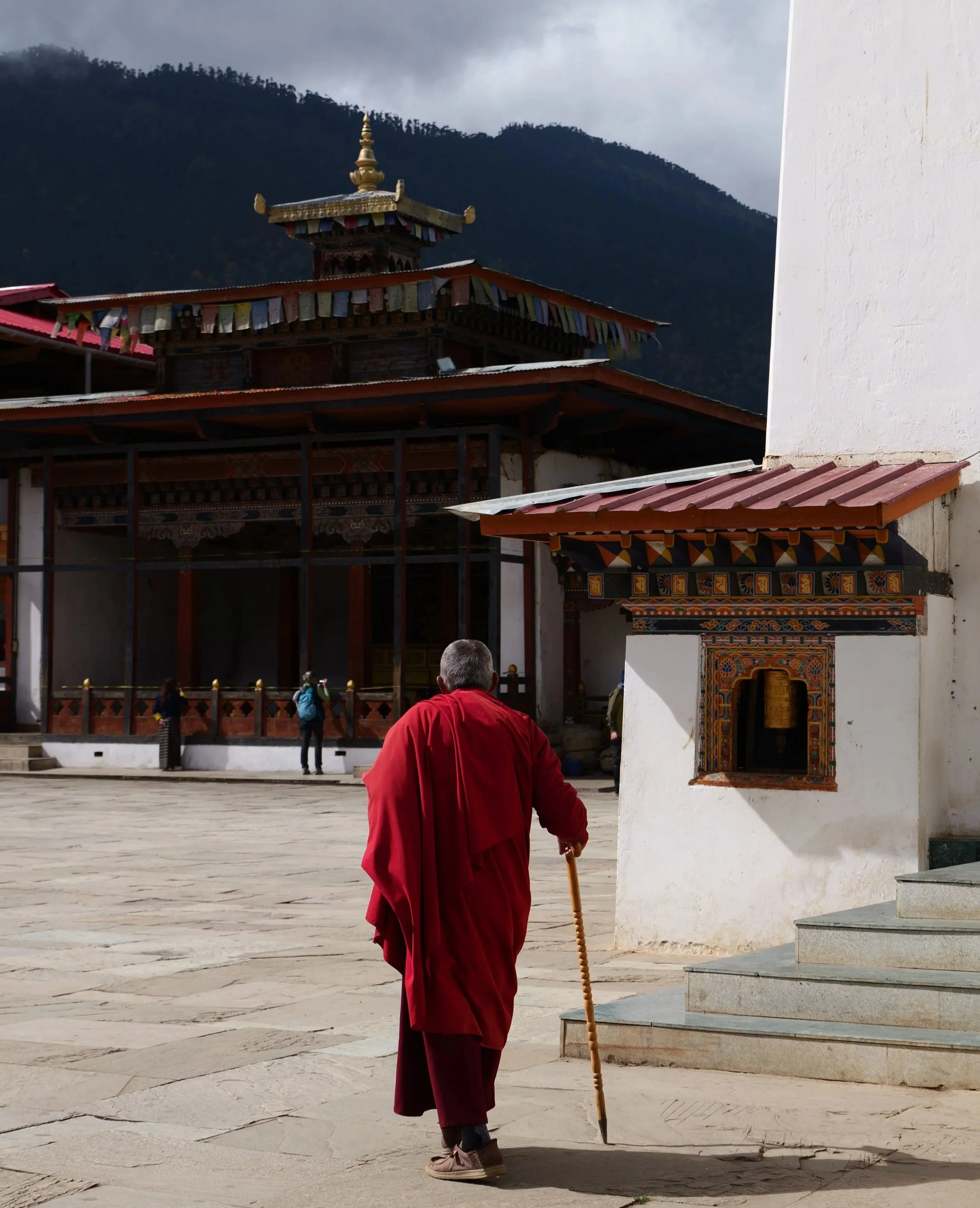
For our last activity in Gangtey Valley, we explored the local monastery perched atop a hill, a school of Tibetan Buddhism and home to around 140 lay monks.
By exploring Gangtey, we gained insight into a way of life that has vanished in many other places, offering a profound connection to both nature and human heritage.
PARO & TIGER’S NEST སྤ་གྲོ་སྟག་ཚང་
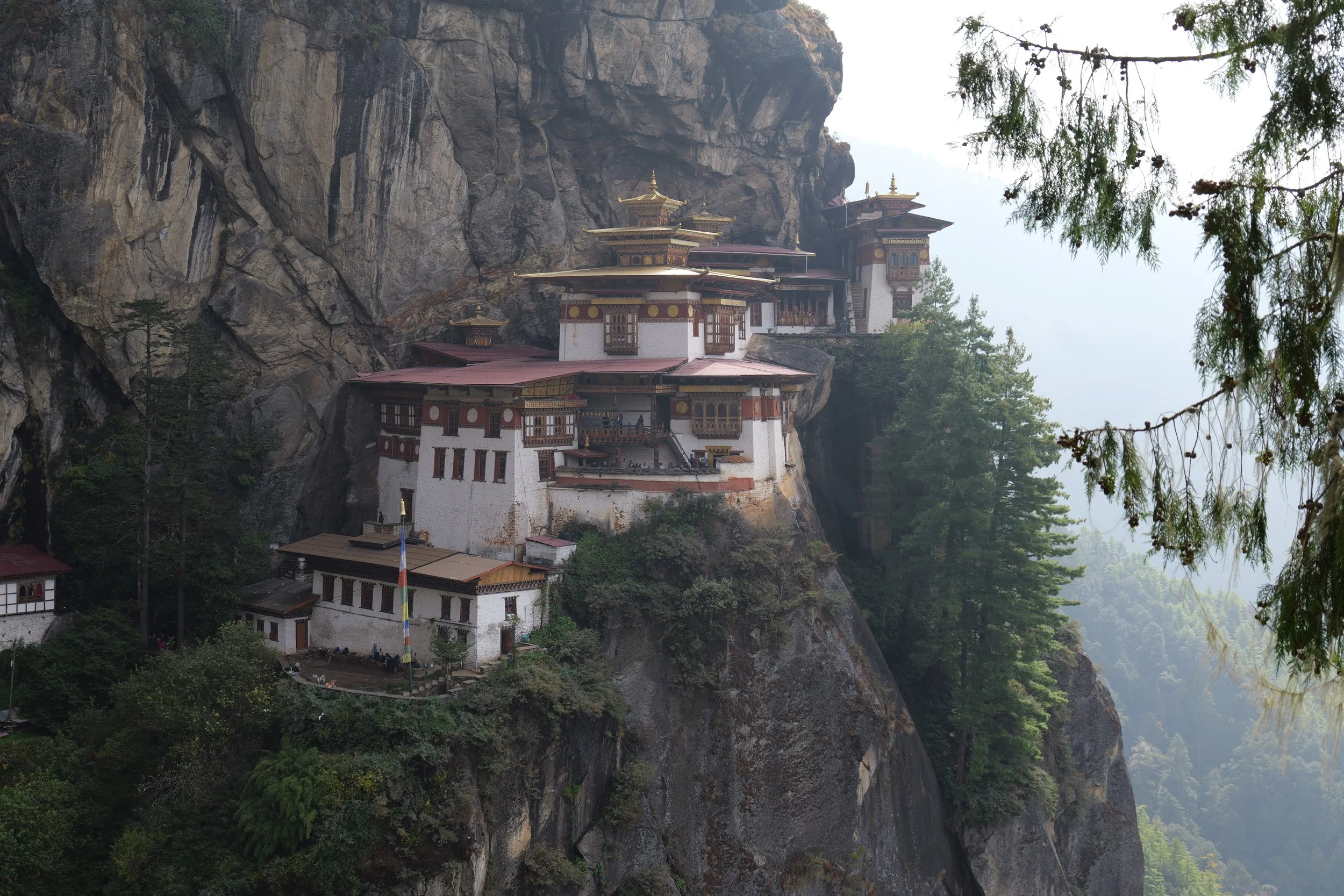
At the end of our journey in Bhutan, we hiked 12 km to the iconic Tiger’s Nest Monastery, perched on a cliff at 2,950 meters in the Paro Valley. It is the most photographed site in the country and one of the most venerated places of pilgrimage in the Himalayas. I understand why it’s considered a must‑visit in Bhutan; however, there were many people there, and it didn’t feel as authentic as the other places we visited.
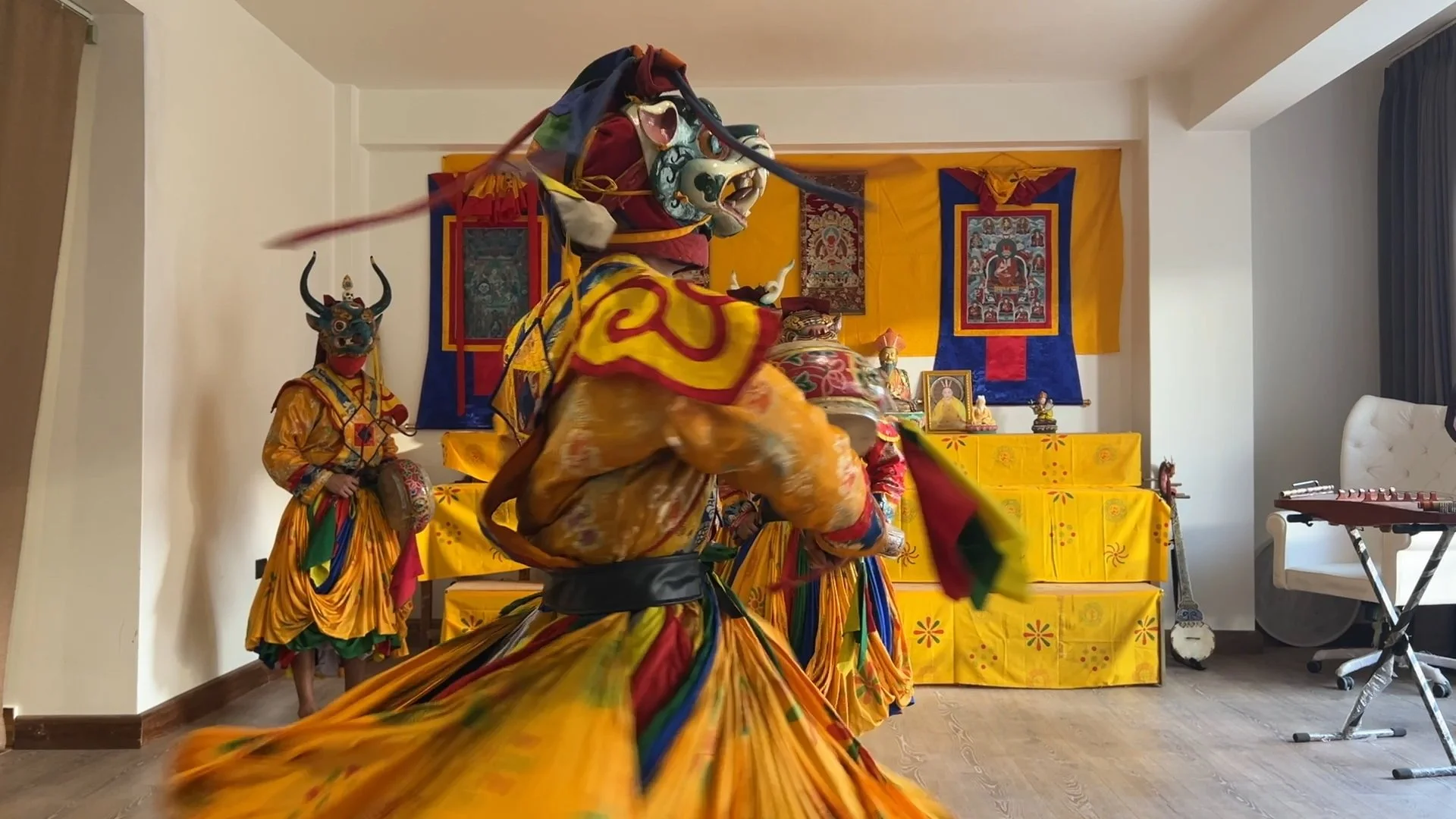
On our last evening in Bhutan, we watched traditional mask dances like those performed during the country’s most famous festivals. Since we weren’t there during festival season, the dancers performed just for us at the hotel. It was fascinating to watch.
For our trip to Bhutan, we travelled with the tour operator Firefox Tours. I highly recommend them; they were professional and communicative from the very beginning.
We chose the “One‑Week Spiritual Tour.” To be completely honest, that was our only mistake — it was perhaps a bit too spiritual for us. I would recommend the cultural tour instead.
Overall, we had a wonderful experience in Bhutan. It’s a truly beautiful and unique country that can’t be compared to any other place I’ve seen.
It’s easy to understand why Bhutan is often described as one of the world’s happiest countries. As you explore it, you get a glimpse into a world largely untouched by many modern influences, where the commitment to preserving culture and prioritising happiness sets it apart from other destinations.
Thank you for reading this far!