

Ecuador, the best of south america in one country
What to see in Ecuador?
1) Visit Quito
Security in the capital.
Quito is one of the most beautiful cities I have visited in South America, but I want to raise awareness about the security issues in the capital. When you walk around the city, you have to be quite careful and always on alert. The crime rate is very high, with robberies, pickpockets, and drug dealing happening in the middle of the day. There are many reasons why, in the last decade, criminality has increased in Ecuador. First of all, they switched the local currency into US dollars, and prices became steeply high, even by European standards. COVID and the lack of tourism made the situation even worse, increasing poverty throughout the country. In 2021, the change in president — from Lenin Moreno to Guillermo Lasso — sparked widespread protests and dissent over corruption.
If you have questions about security, locals are always happy to help and give suggestions about places that are better to avoid. The best way to move around Quito is via Uber.
Rules to know to be safe in Quito
At 5 PM, it’s time to go back to the hotel. In the evening, Quito transforms into a ghost town; the streets get deserted, and you don’t see anyone walking around due to criminality.
Walk only in the streets where you see many people, and try not to go to the ‘barrios’ — the poorer neighbourhoods.
Dress as poor as you can and don’t take expensive belongings with you! When I visited Quito, in one week, I saw a total of 6 foreigners; tourists are usually noticed quite fast.
Visit the Historic Centre.
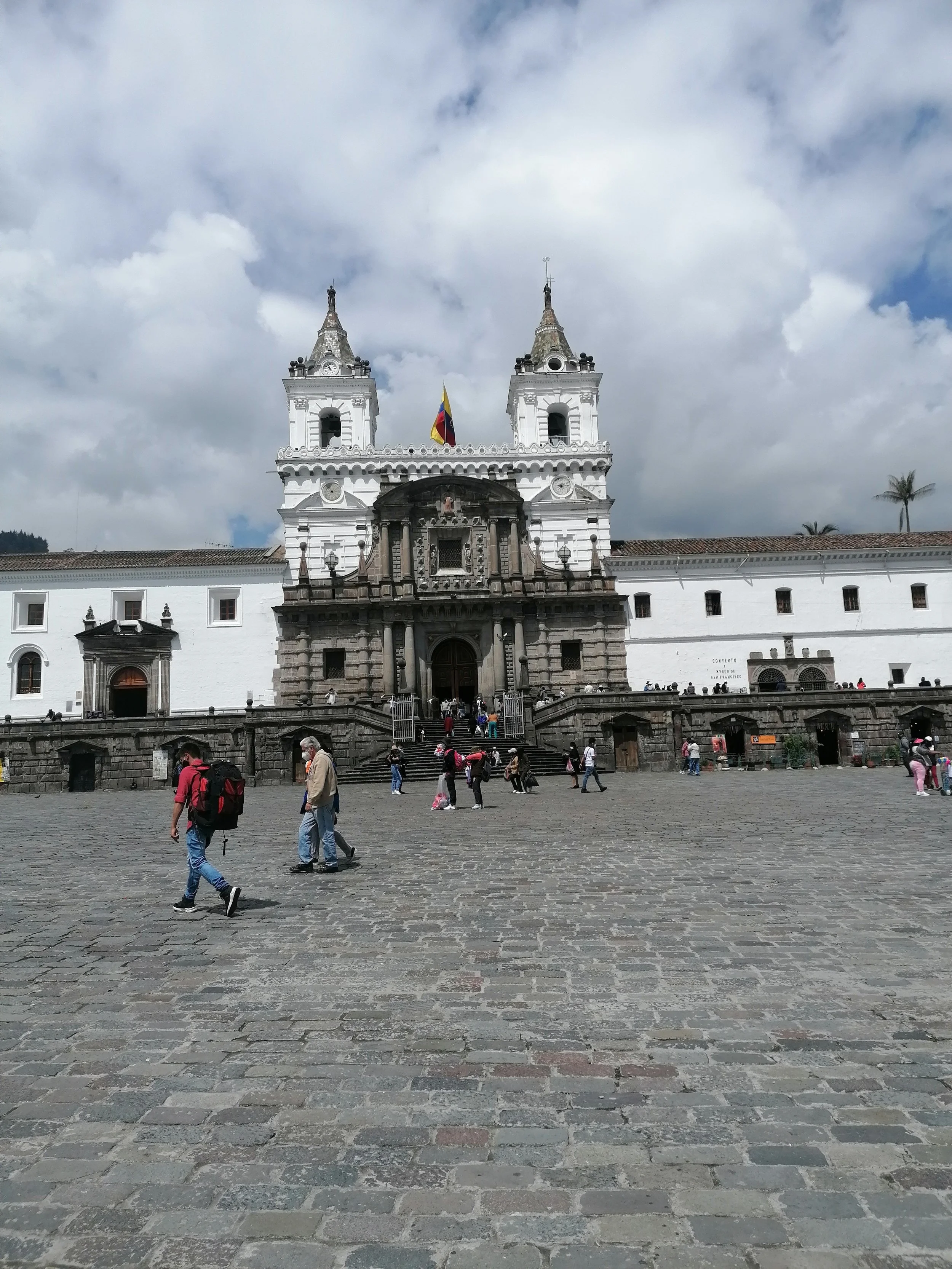
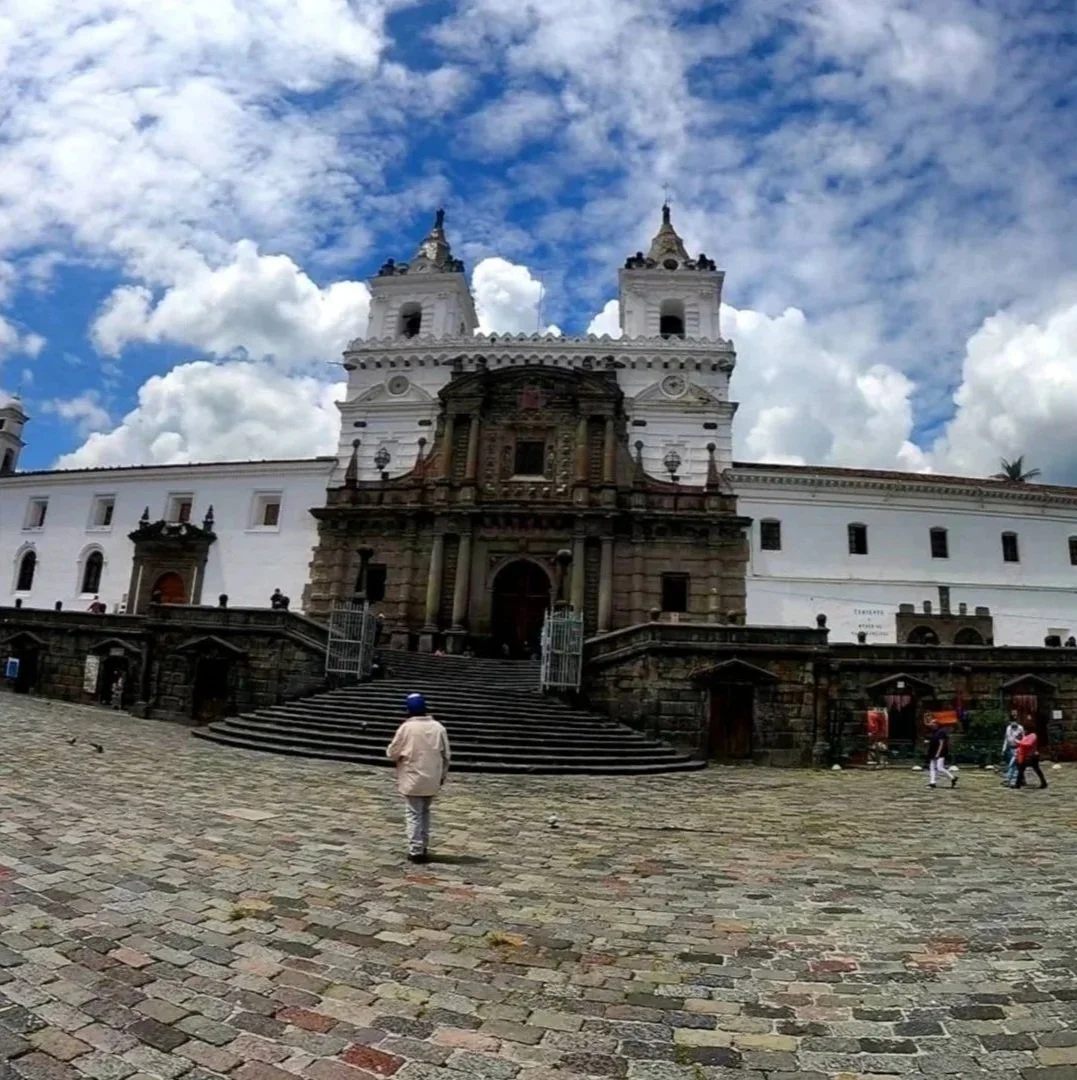
Quito sits high in the Andean foothills, at an altitude of 2,850m, being the 2nd-highest capital in the world. The oldest of all South American capitals, Quito is notable for its well-preserved old town and was the first city to be designated a UNESCO World Heritage site in 1978.
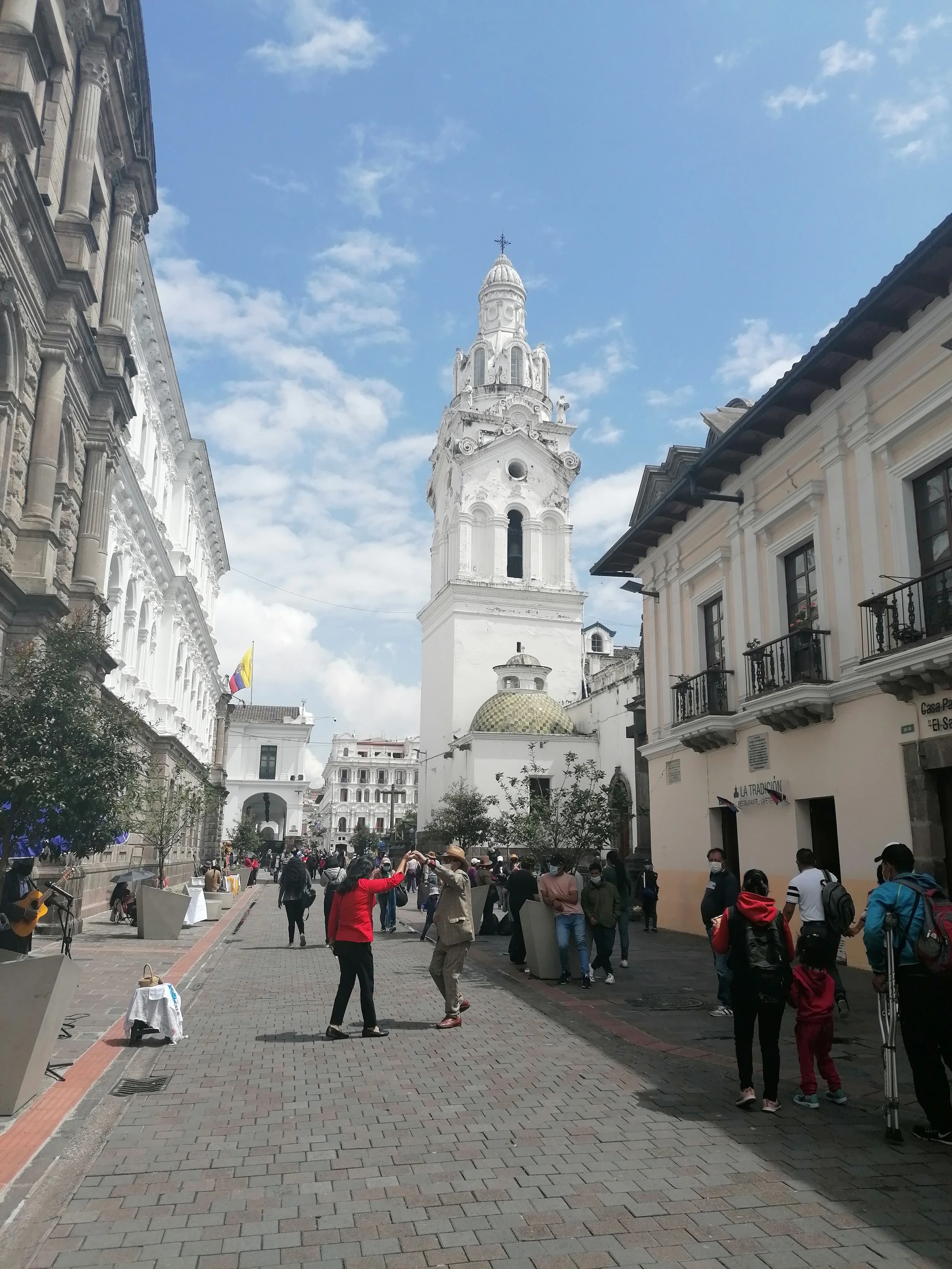
A capital rich in history and culture, with stunning colonial buildings and colourful houses — this is what makes Quito so unique.
The best way to explore Quito is with a free walking tour, or you can book a tour through Airbnb, as I did. With a local girl, I visited the most important monuments in the historic centre, and we also did a cacao and ice-cream tasting tour — definitely my favourite experience in Quito!
360° view from ‘Mirador del Panecillo’.
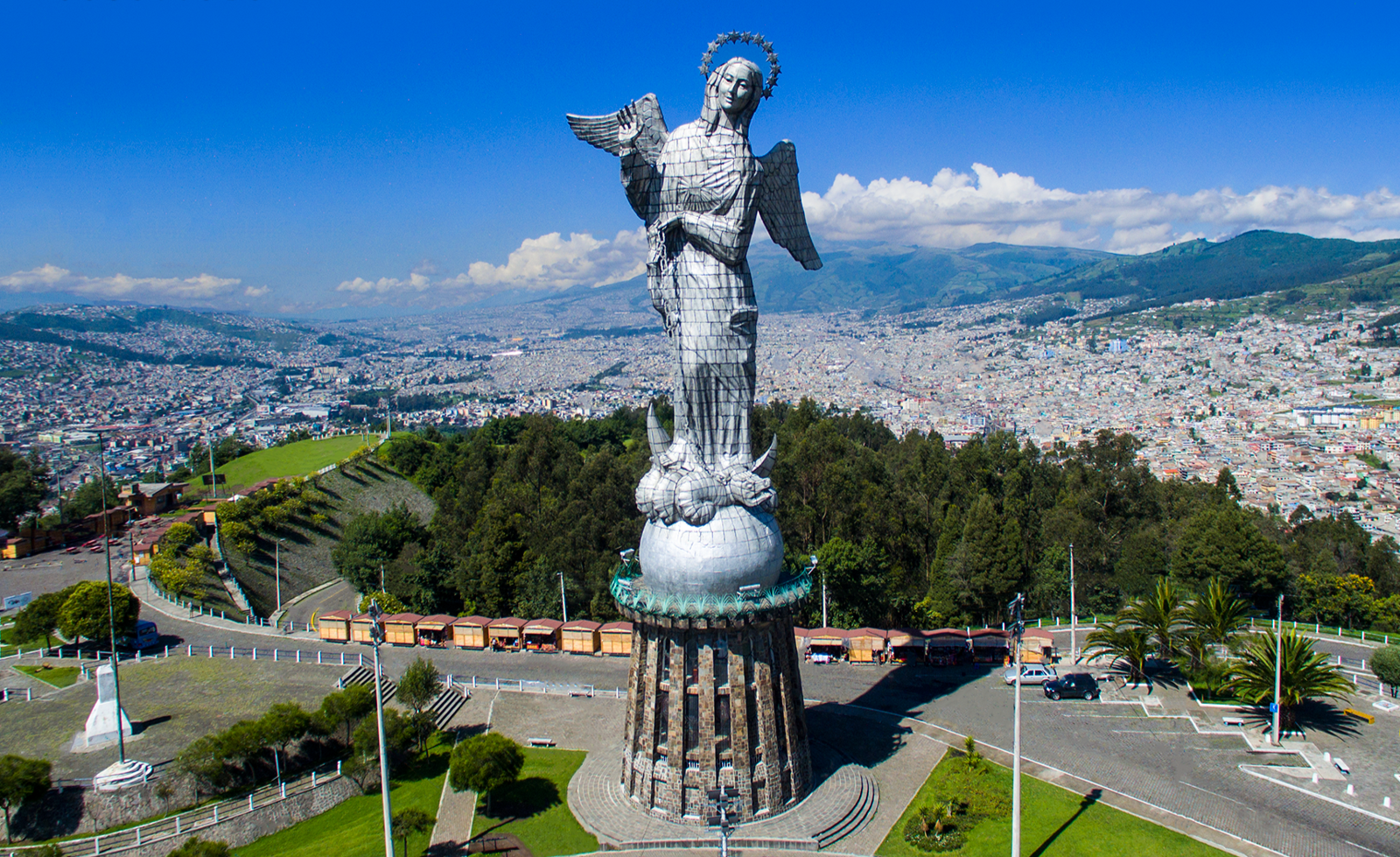
This viewpoint is located in the middle of the city, just 1 km from the historic centre. Even though it's in proximity to the main attractions, you can’t walk because you have to cross a dangerous slum, and locals absolutely recommend you take an Uber instead.
From the top, you will have a stunning 360° view over Quito, and you can also see the surrounding volcanoes, like ‘Guagua Pichincha’ - 4,784 m (15,696 ft), and ‘Cayambe’ - 5,790 m (18,996 ft).
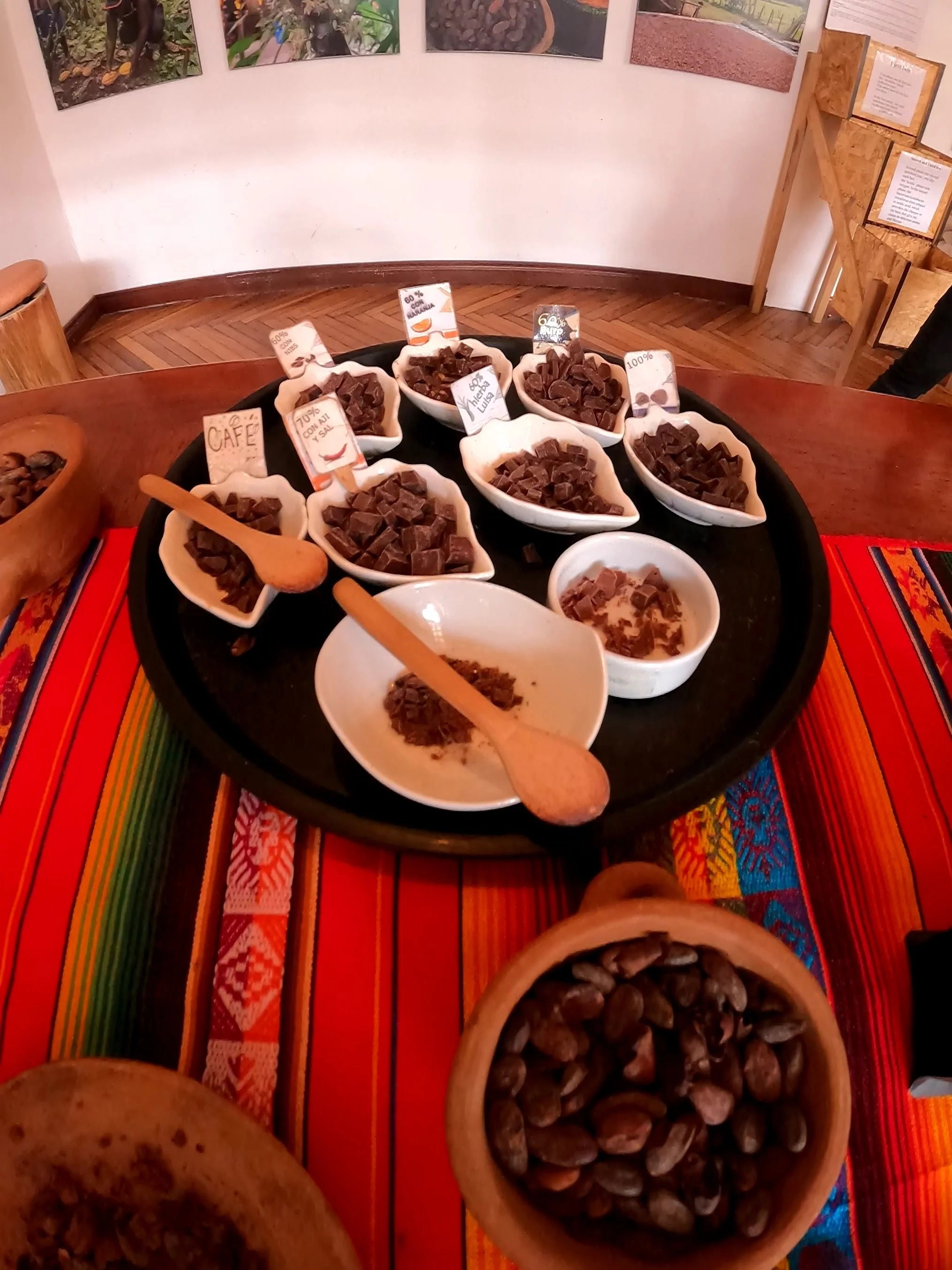
Cacao Tasting Tour.
If you are a chocolate lover, you should definitely try this experience at Yumbos Chocolate, located in the centre of Quito. You learn all about the production process, and you get to sample many of their fantastic chocolates.
Yumbos is an artisanal chocolate factory, and its goal is to create the finest chocolate quality — at the same time, they focus on improving the workers' lives and helping the small communities. Yumbos Chocolate is pure and handmade, without preservatives or artificial flavourings. It’s made from Cacao selected from aromatic varieties, and it won a top prize for chocolate in Ecuador. After tasting it, I see why. My favourite was the chocolate with 60% cacao and coffee aroma. They also have different flavours like orange, paprika, vanilla, and herbs.
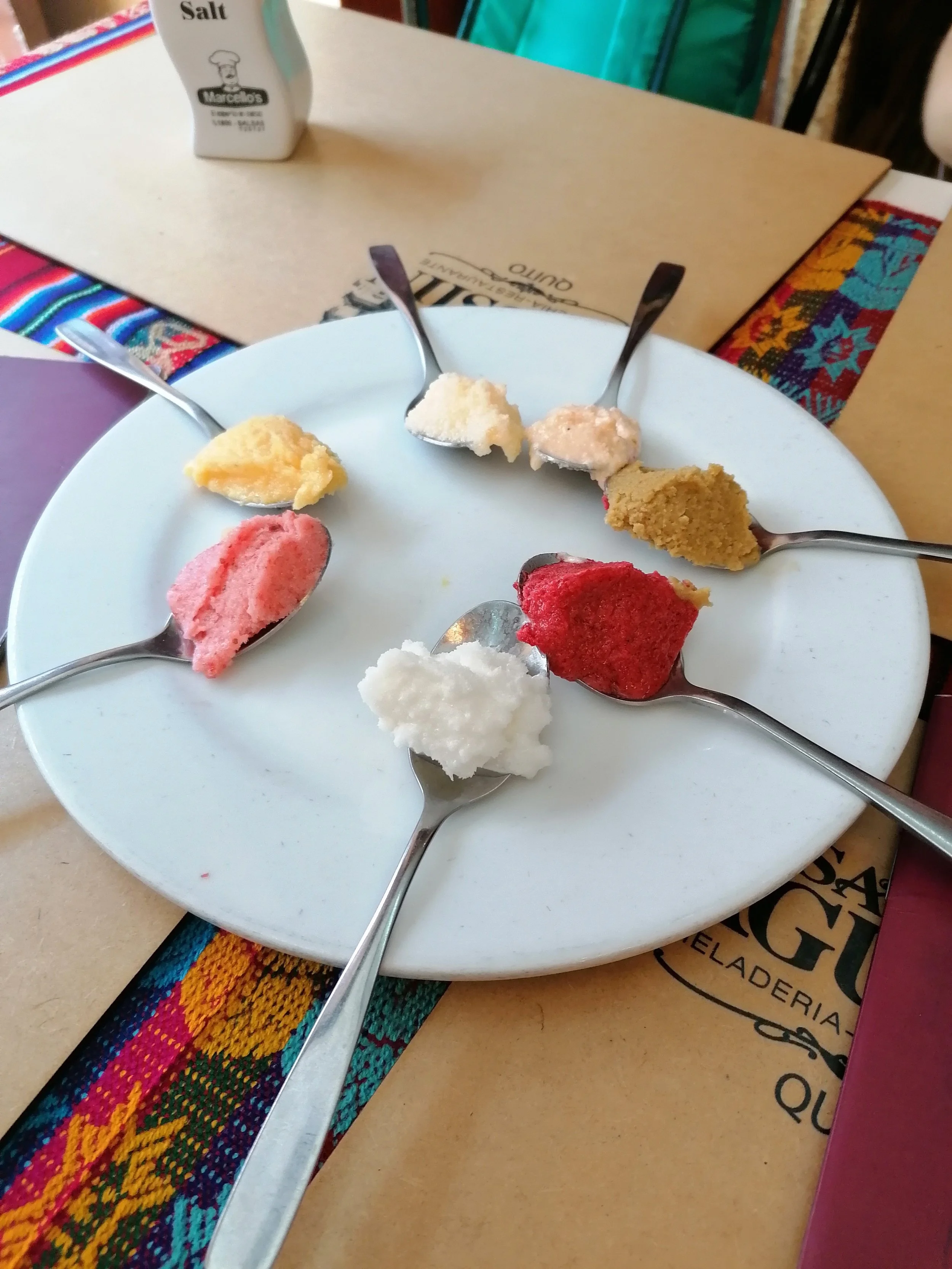
Taste some artisanal Ice Cream.
The best artisanal ice cream I’ve ever tried was in ‘Heladeria Restaurante San Agustin’, located in the historic centre. You can enjoy it on a beautiful balcony overlooking the streets of Quito.
The ice cream is all natural, with different fruity flavours like: coconut (my favourite), melon, passion fruit, groundcherry, strawberry, blackberry, and fig.
It tastes even better than Italian ice cream!
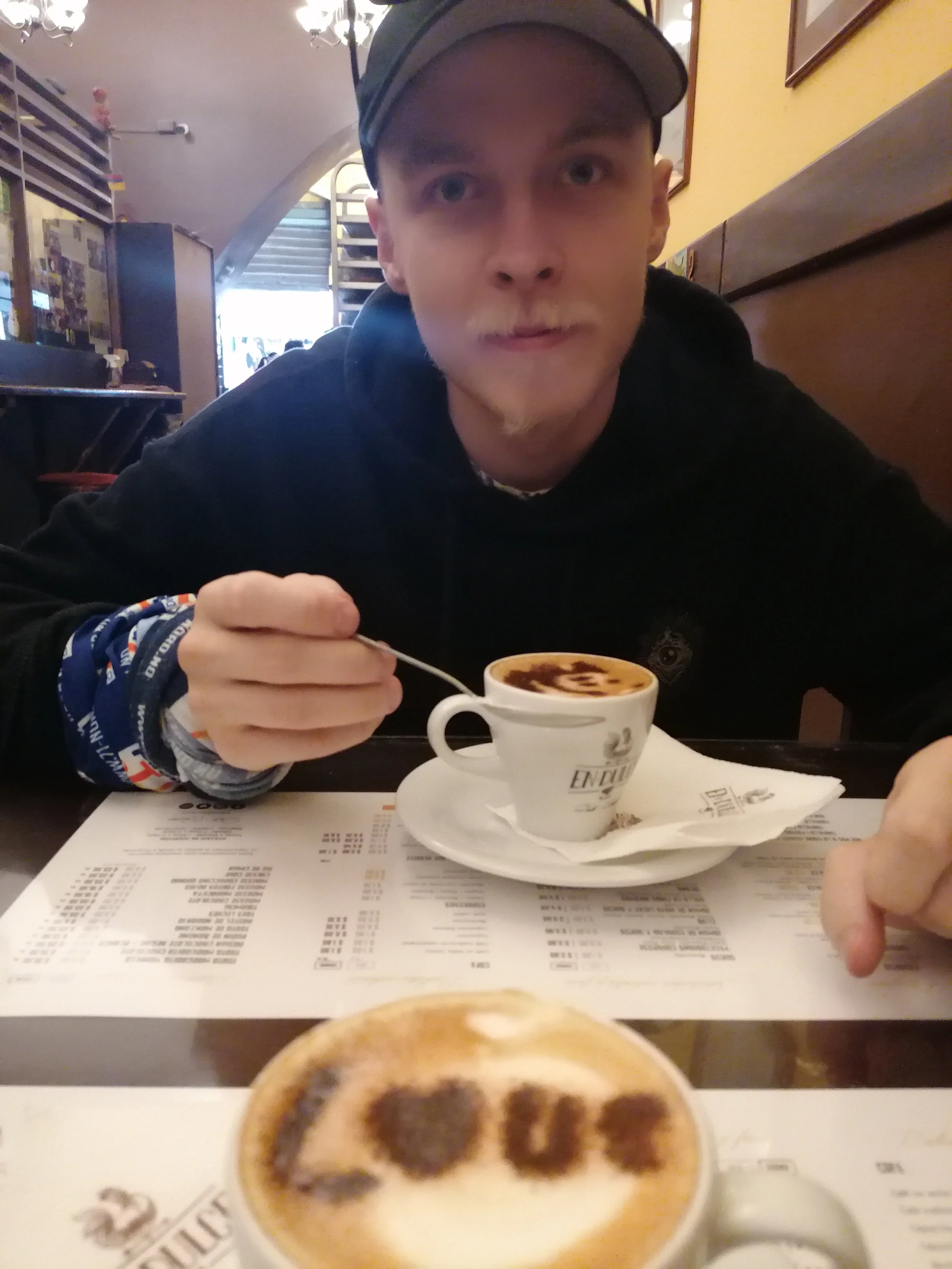
The best Café in Quito.
‘En-Dulce’ is a small café/bakery — a hidden gem in the historical centre, where locals hang out in the morning, to get their boost of coffee, or for breakfast.
It’s very hidden, and I found it thanks to a local guide who shared with me this little secret. The different varieties of pastry products are delicious, but the highlight is the local coffee and cappuccino — the best one I had in Ecuador!
2) Breakfast in Yunguilla mountains
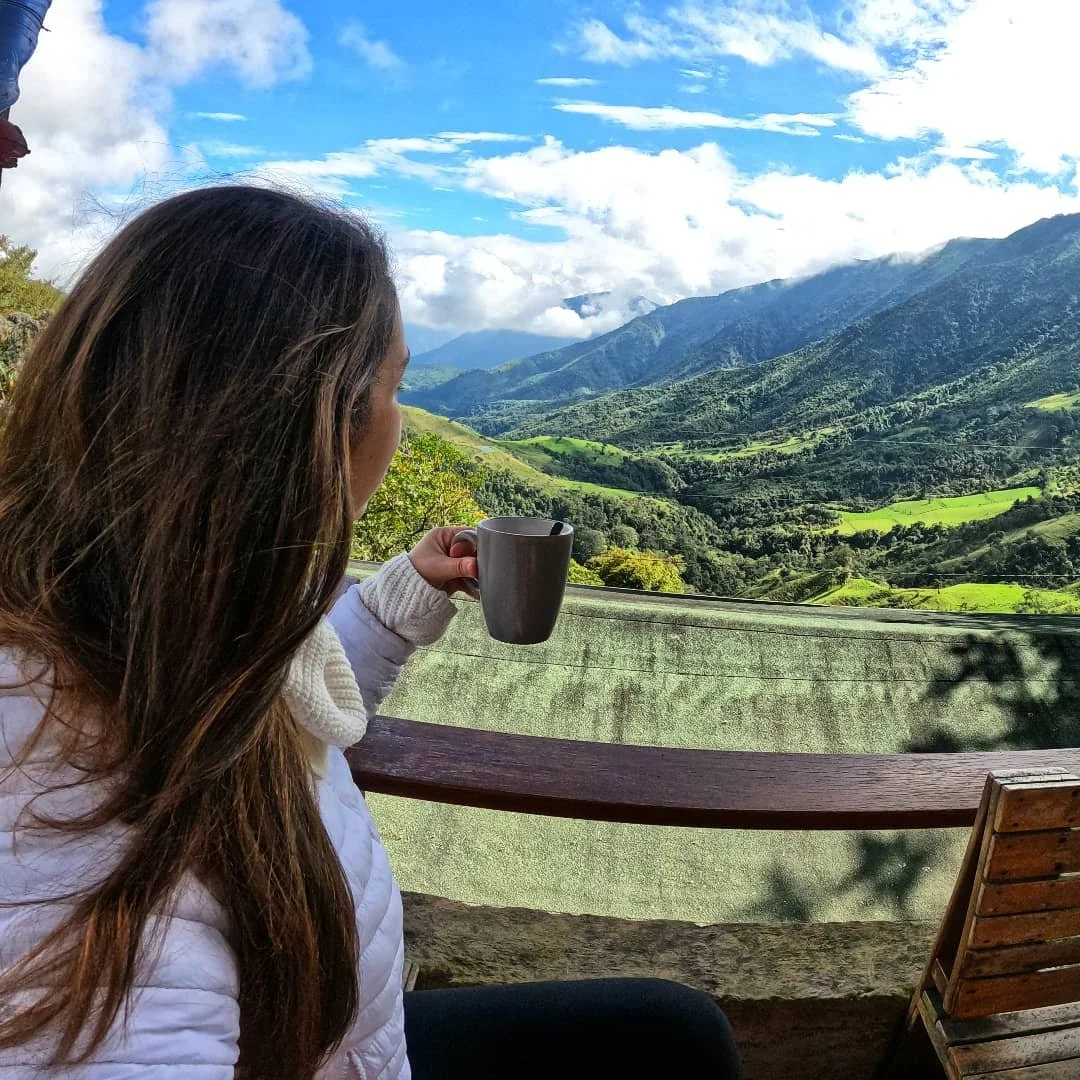
If you want to wake up with delicious coffee facing the Andean mountains, you should definitely come to Yunguilla — A peaceful village, hidden in a lush valley at 1800 mt. You can spend hours just looking at the view, which can’t compare to any other I’ve ever seen. The breakfast is prepared by a local lady, with fresh fruits collected from the valley — mangoes, papayas, and pineapples. You can't miss my favourite — Ecuadorian coffee served with local sugar cane.
Where to stay?
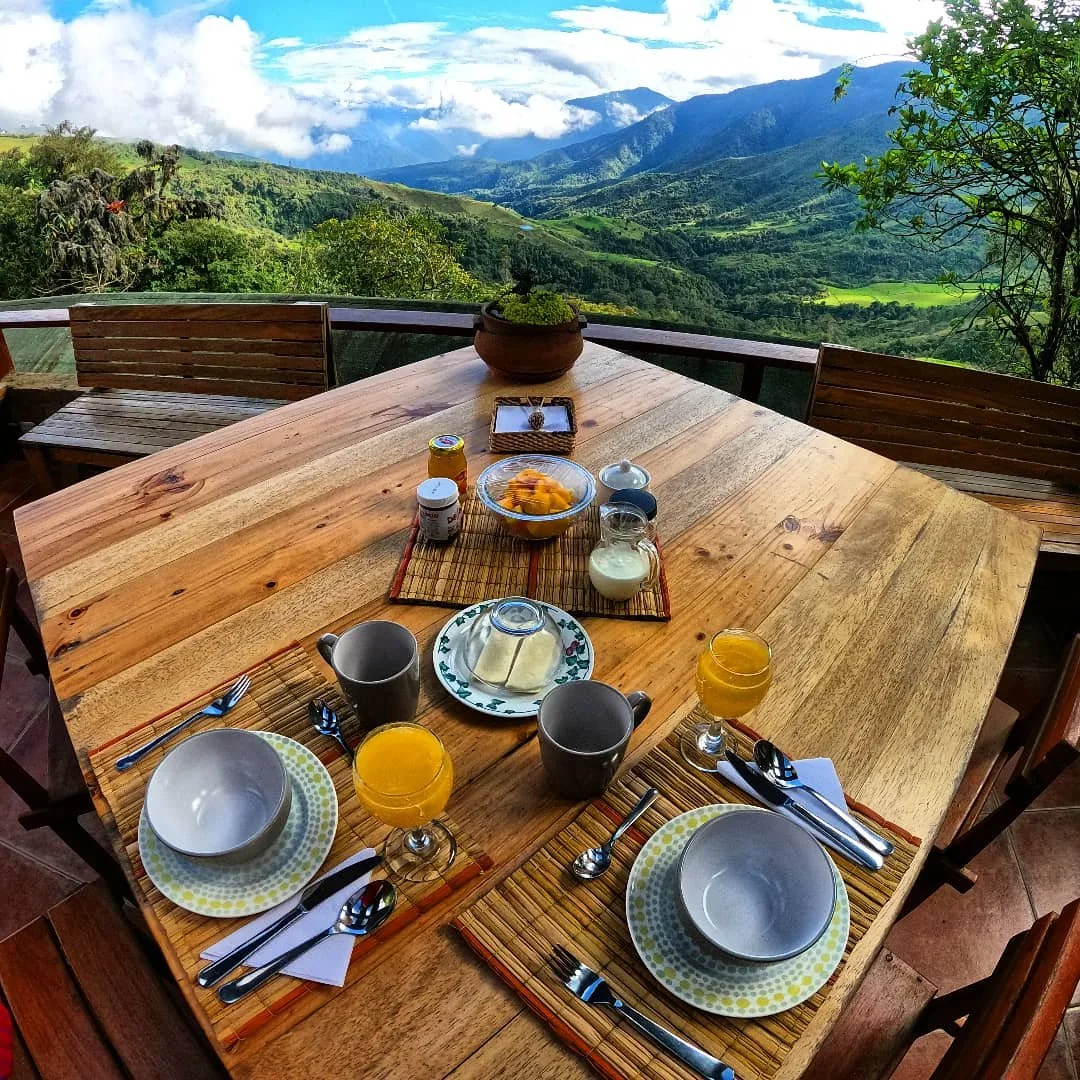
The best place to stay in Yunguilla is Finca Petrona — A B&B overlooking the Andes, where you can enjoy the delicious Ecuadorian breakfast.
The guest house offers an apartment with a kitchen and a private garden. I recommend staying for 1-2 nights. In Yunguilla’s village, you can find a small grocery shop where to buy the essentials and a local restaurant that cooks the most delicious trout in the region!
Yunguilla is 1h15 from Quito’s airport. To reach the homestay, you can call an Uber (the cheapest option) or book a private car from the property.
Yunguilla’s Nature
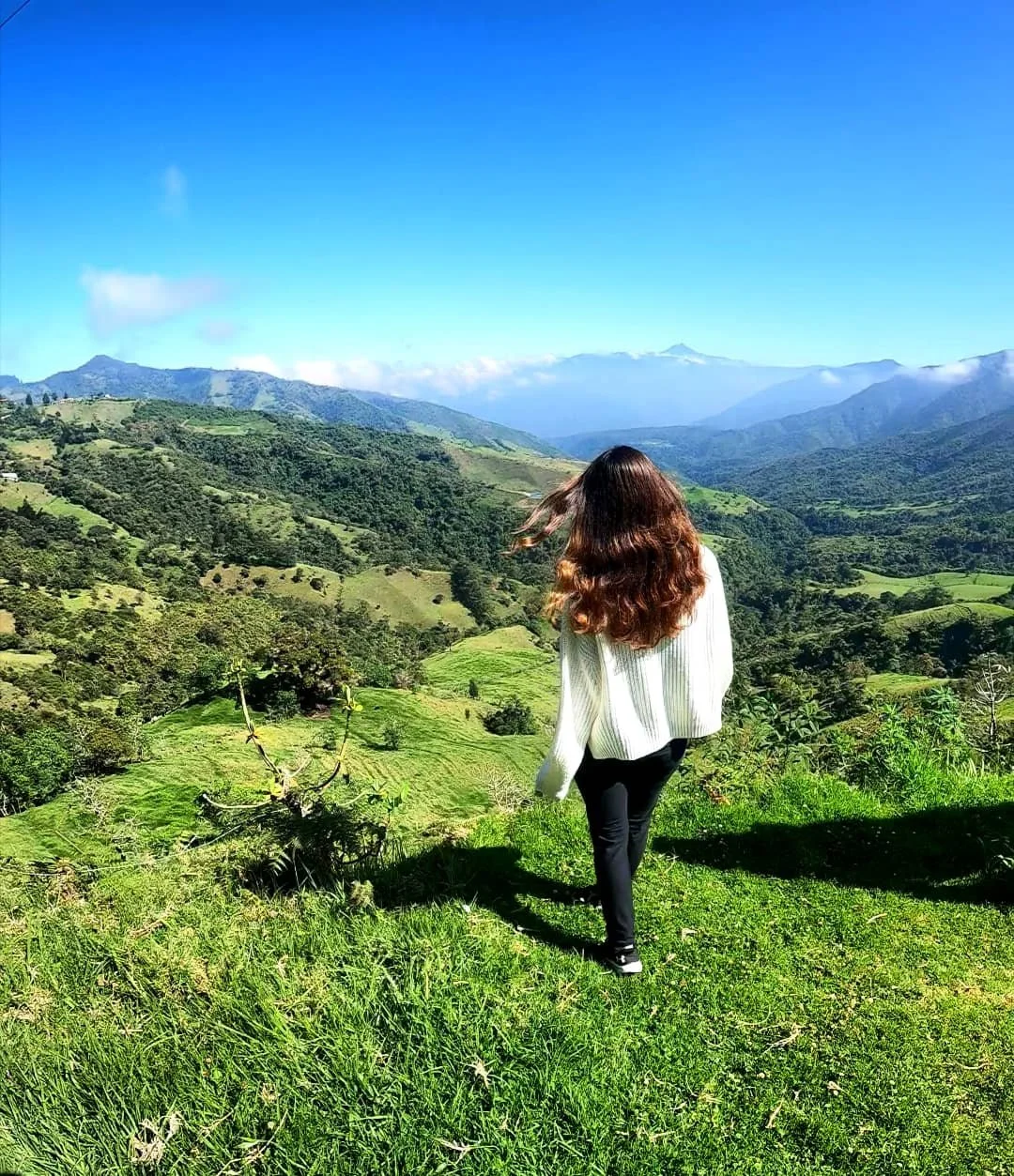
The temperate climate, fertile land, and beautiful views make this small area a unique little gem. Whether you are interested in high mountains, lush greenery, or tropical fruits, this valley offers it all.
In Yunguilla’s village, the locals are completely self-sufficient, and they produce everything they need for their families. Agriculture is the main industry, and they grow different varieties of fresh fruits and vegetables that are not available anywhere else.
When you walk in the valley, you can also find many sugarcane sellers. The locals use it for chewing — it tastes very fresh and sweet.
3) Adventure in Baños
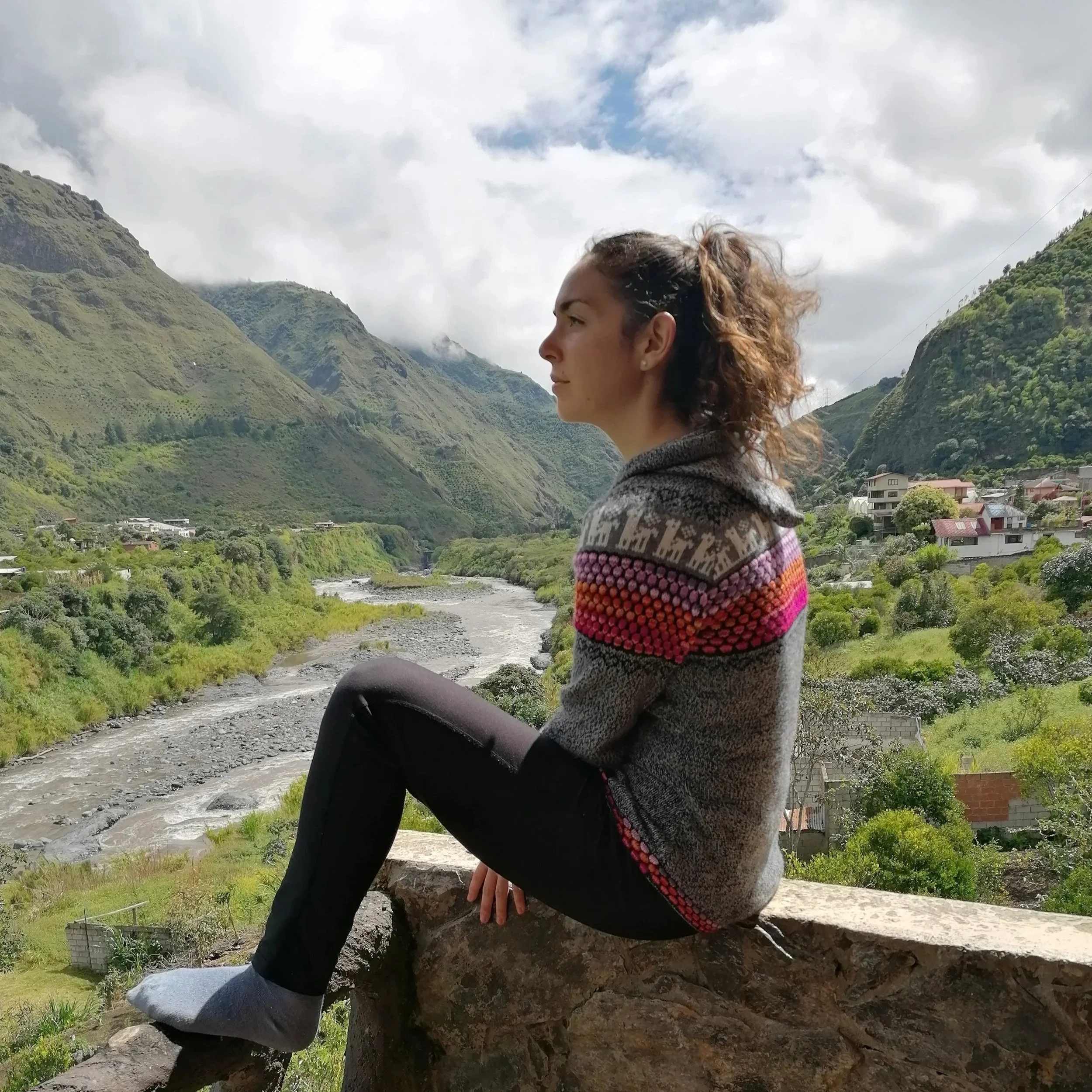
Ziplining in the jungle.
Baños was my favourite place on my entire 2-month trip to South America. The town is known for two things: nature and adventure sports!
Baños is fully immersed in nature, surrounded by green mountains, rivers, waterfalls, and hot springs. The town sits at the foot of the Tungurahua volcano, which has been steadily flowing with hot lava and ash since a big eruption in 1999.
Also known as the “Gateway to the Amazon,” Baños is the starting point to explore the indigenous tribes of the Andes — ‘llamas’ and ‘Vicuñas’.
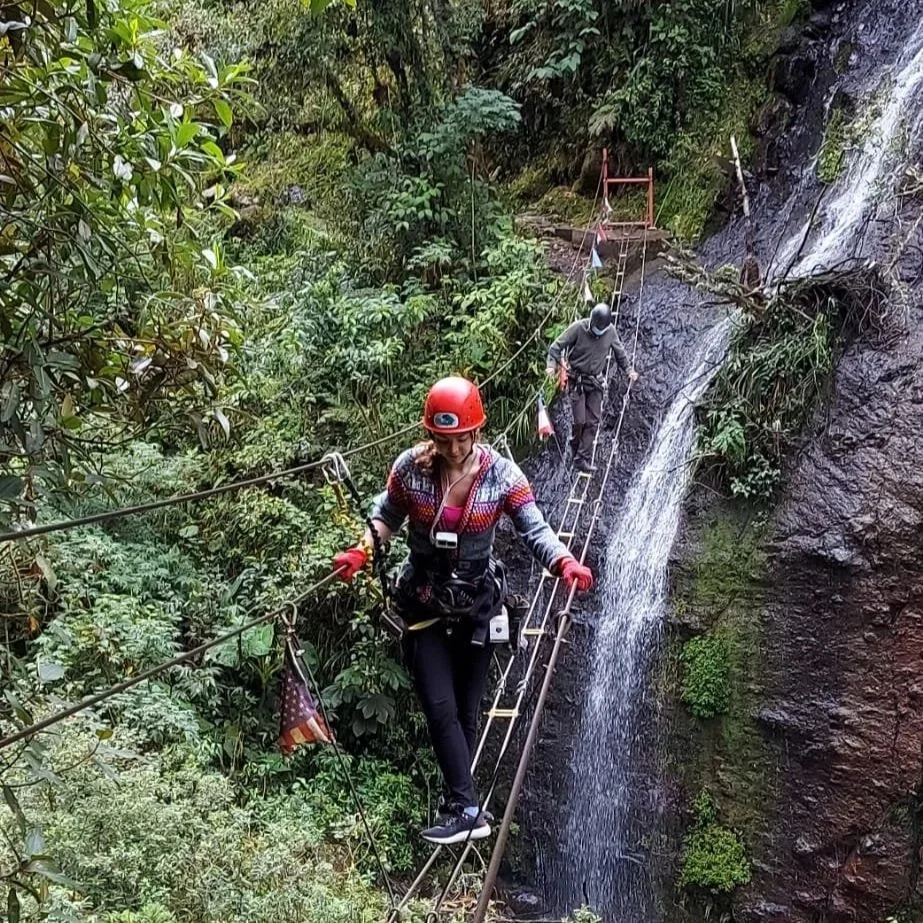
My favourite activity was the zipline circuit in the jungle — an adrenaline-filled day, with spectacular views overlooking the lush valleys and waterfalls. I went with the tour company called Puntzan Canopy, located in the centre of Baños.
If you are an adrenaline lover, there are more adventure activities that you can do — paragliding, rafting, canyoning, and more..
Hike to the waterfall ‘El Pailon del Diablo’.
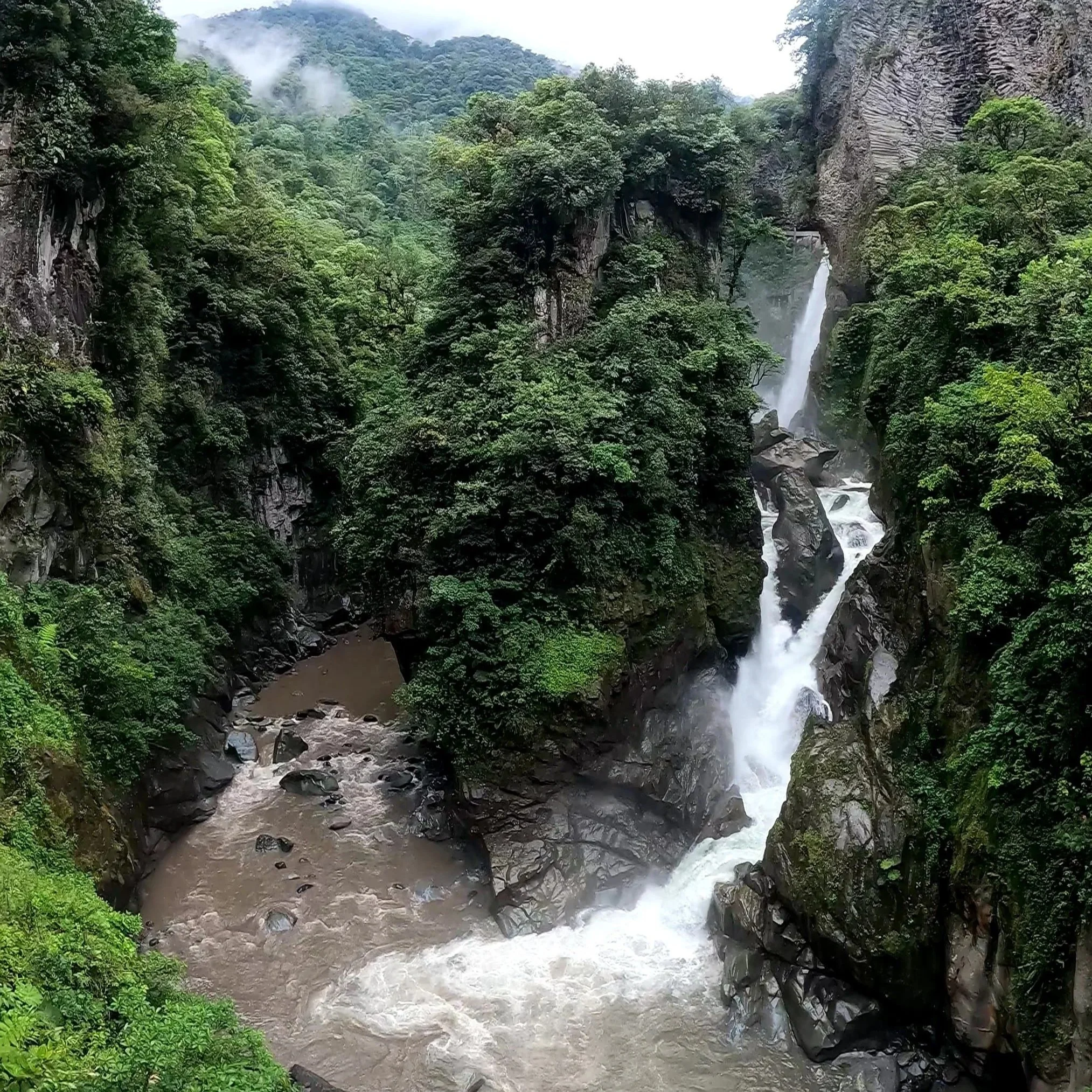
‘Pailon del Diablo’ is located 17 kilometres from Baños, in a small settlement called Rio Verde. You can reach it with the line bus, which runs every hour from Baños to the parking near the waterfall.
From the parking, you’ll see the marked trail going to ‘Cascada el Pailon’. The hike only takes 30 minutes. You have to pay an entrance fee on the way; it only costs $2.
‘Pailon del Diablo’ is one of the most powerful waterfalls you can find in Ecuador, 80 meters high. You can admire it from different viewpoints: from the top, from a staircase below, or from the Tibetan bridge.
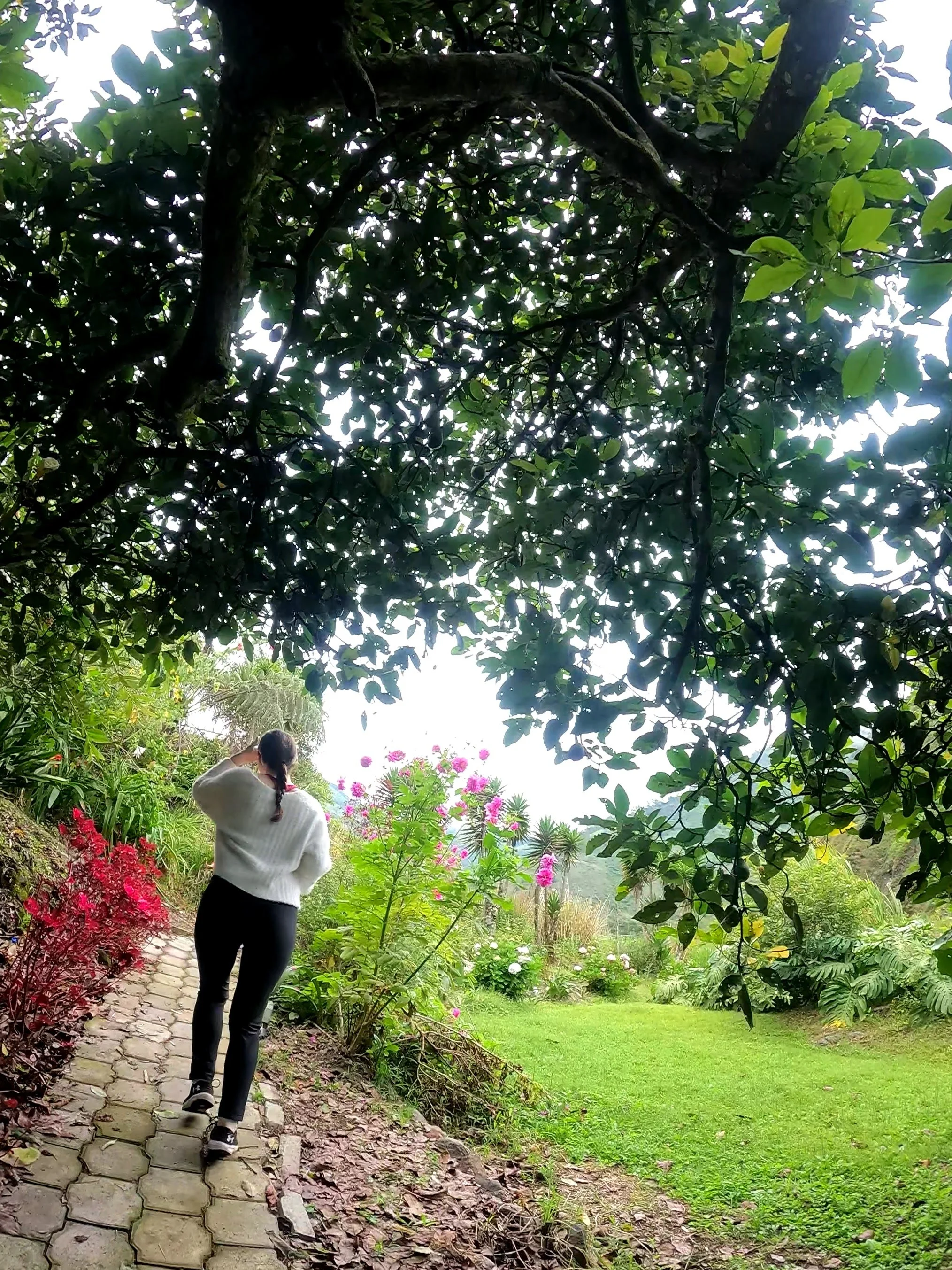
Wake up with a view in Aldea Real Eco Friendly.
Aldea Real Eco Resort is the perfect place if you want to enjoy nature from your balcony. It’s located in front of the Pastaza River, surrounded by majestic, lush mountains — you can enjoy the view from the comfort of your bed, or relax on the hammock.
Breakfast is included in the room price and is located next to a beautiful avocado garden.
Best Restaurants & Cafés in Baños.
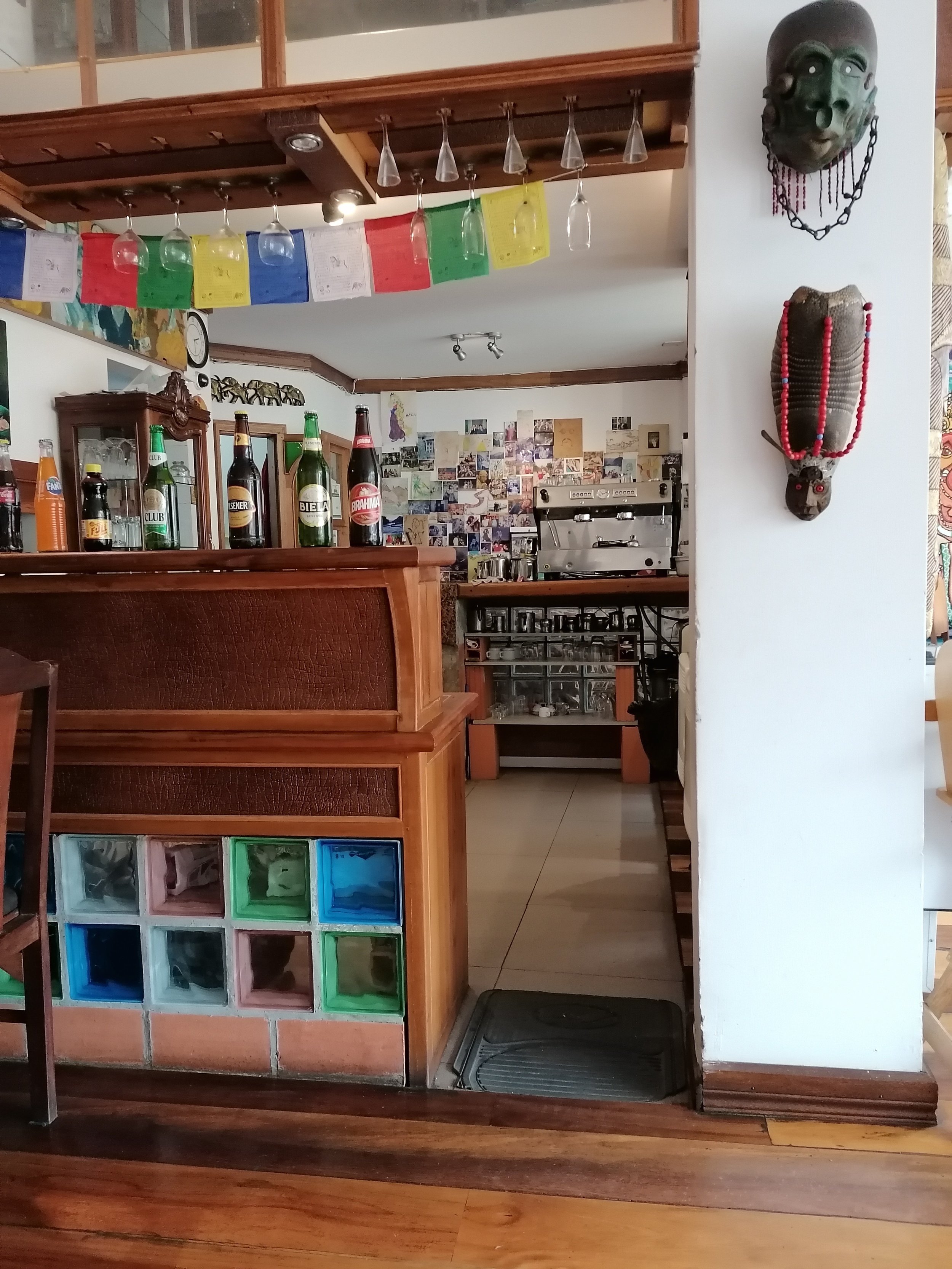
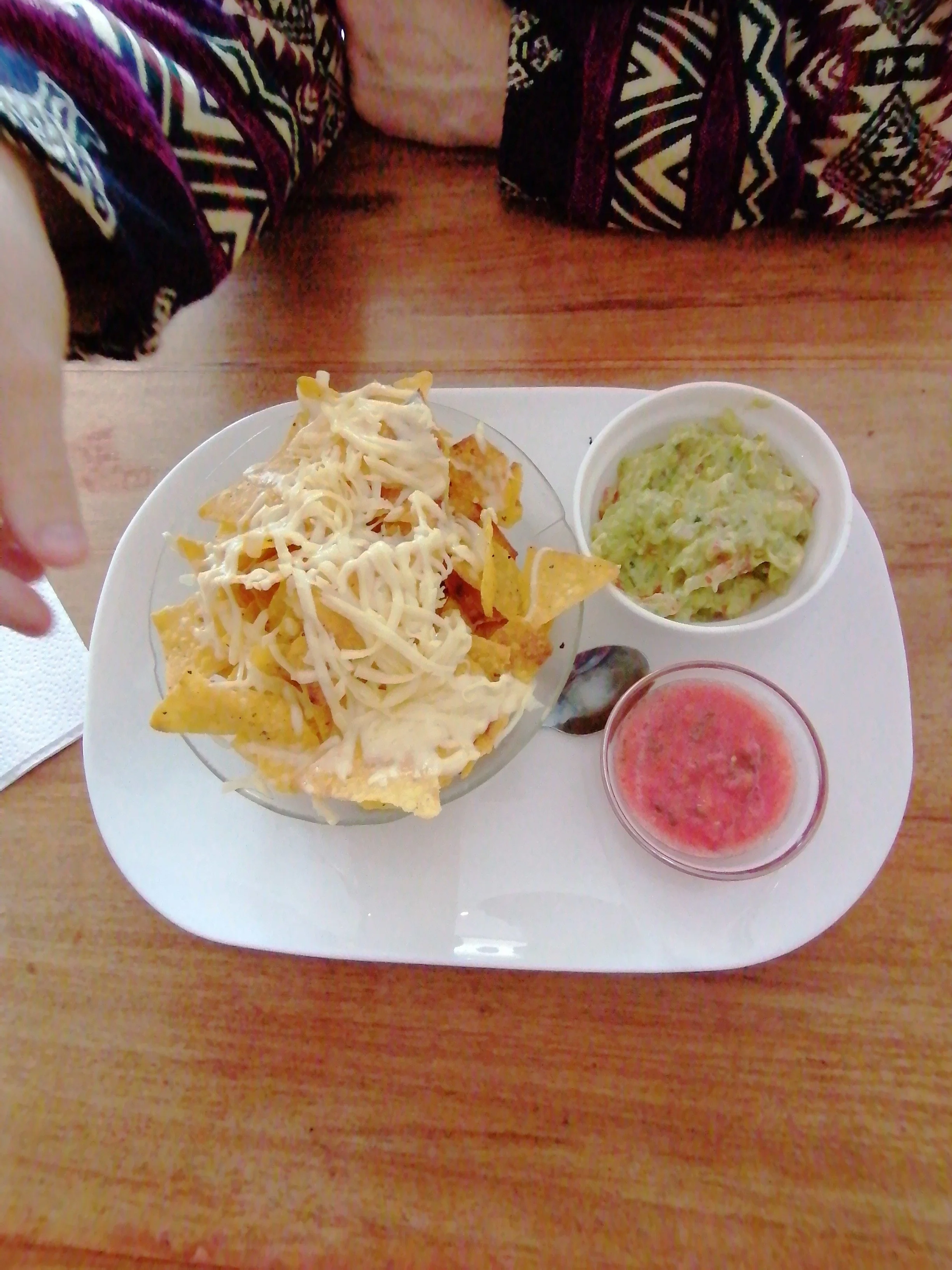
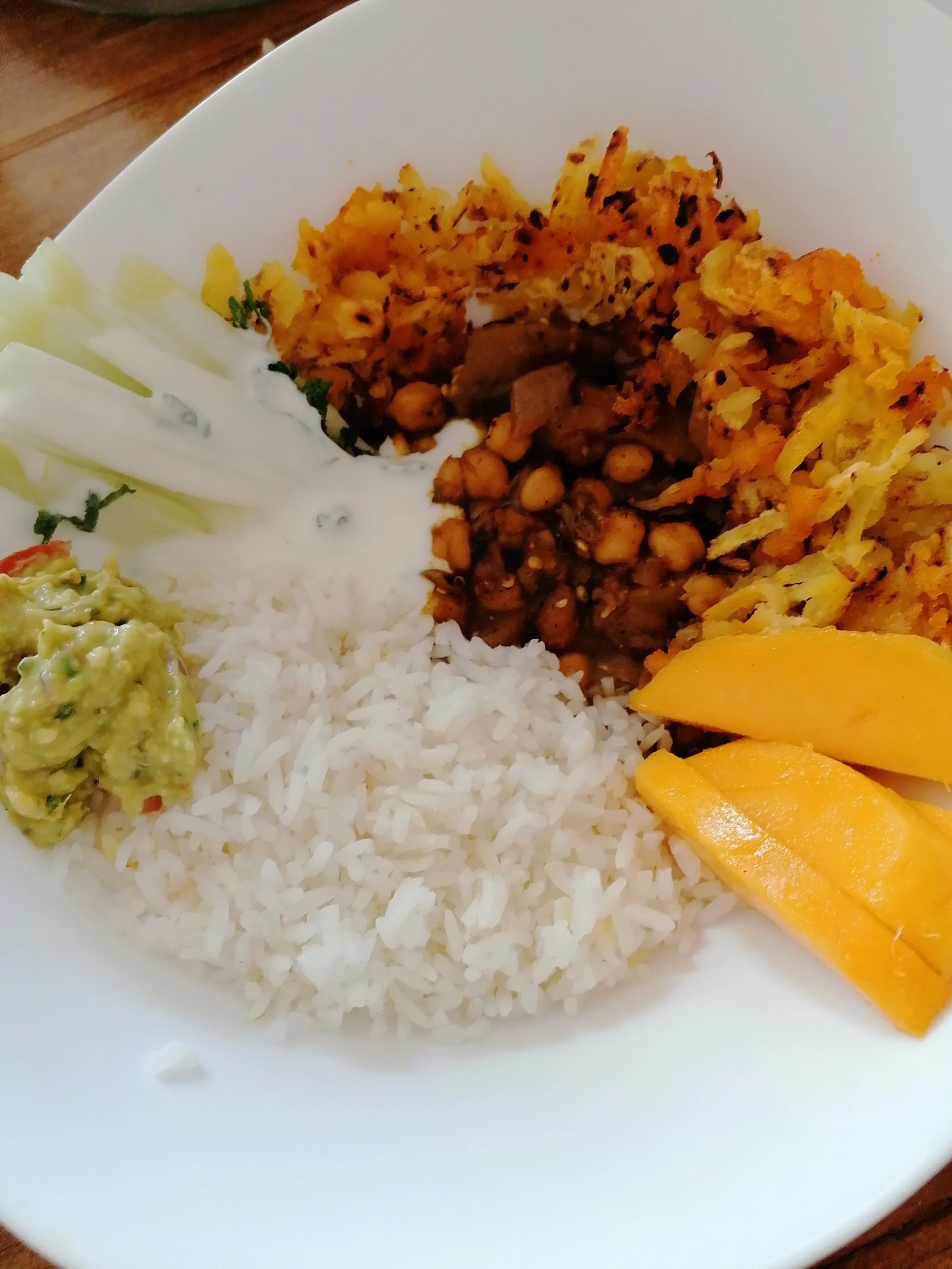
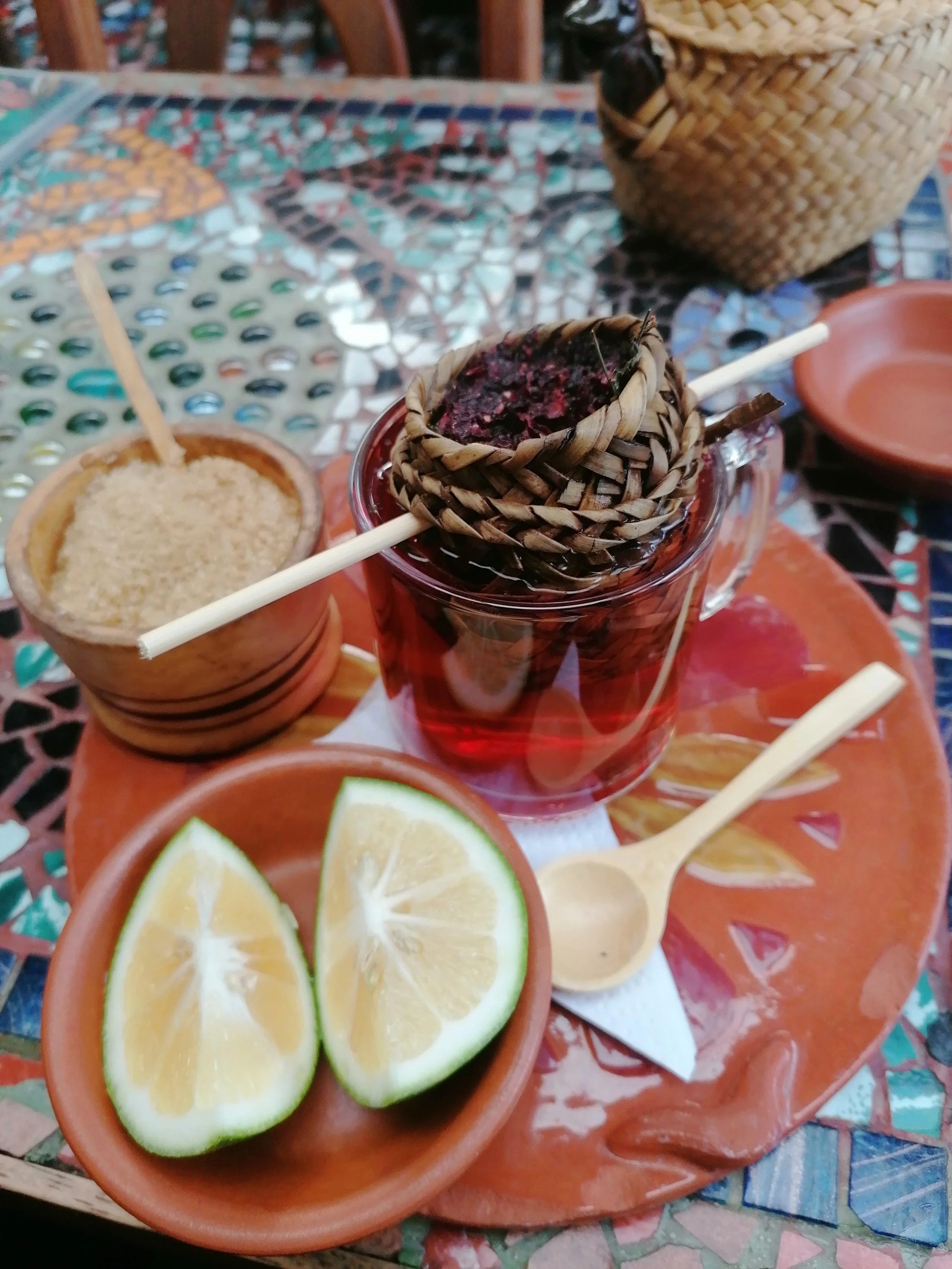
What makes Baños so special is the peaceful atmosphere in the city, the surrounding green mountains with waterfalls everywhere you look, and most of all, the different restaurants and caféselections with a hipster vibe.
Below, you can find a list of my favourite Restaurants & Cafés in Baños.
Café Hood: An enchanting Hindu-inspired restaurant, my favourite place in Baños - located next to a waterfall. The food is delicious, with big portions. The cuisine ranges from Thai, Indian, Mexican, to Continental.
Sativa Studio Café: Sativa Studio Café is a bohemian restaurant inspired by Afro-Caribbean cuisine. It offers vegetarian food, with very fresh ingredients. All the dishes are made with organic food, which they pick directly from the garden of their restaurant. On the menu, you can find a veggie burger, an organic salad, chocolate and carrot cake, and they also make smoothies and artisan fruit wines.
Honey Coffee & Tea: Located in the center of Baños, Honey Coffee & Tea is a bakery/café, with one of the best coffees that I’ve tasted in Ecuador. They have a very good sweet assortment, and you can choose your cappuccino with different flavours: caramel, chocolate, or vanilla - my favourite.
How to reach Baños?
Baños is located in Tungurahua province, in the middle of Ecuador. To reach it is very easy. Take the direct bus from Quito (Estación Terminal Sur) to Baños. It takes only 3 hours, and it costs $10/person one way.
4) Picnic in Quilotoa crater lake
How to reach it?
Quilotoa Lake is located in central Ecuador, 3 hours - 180 km from the capital Quito.
To get from Quito to Quilotoa by public transport, you’ll need to first go to the Quitumbe bus terminal, located in the south of Quito. To get to the terminal, you can take an Uber (depending on the time of day, this can cost between $10-20 dollars).
DIRECT BUS FROM QUITO TO QUILOTOA
The only bus company in Quitumbe that drives directly to Quito is “La Illinizas”. The trip takes 3 hours. It leaves at 5:00 PM every day, for about $3.
CHANGING BUS VIA LATACUNGA
Buses leave from the Quitumbe station in Quito to Latacunga every 10 minutes and cost $2.50. The trip takes 1 hour (without traffic). Once in Latacunga, you can take a bus to Quilotoa, which takes 2 hours and costs $2. The buses only leave a few times a day, starting from 9:30 AM. If you’re only planning on visiting Quilotoa for the day, make sure to ask the bus driver when the last bus leaves from Quilotoa, likely around 3 PM.
Hike around Quilotoa.
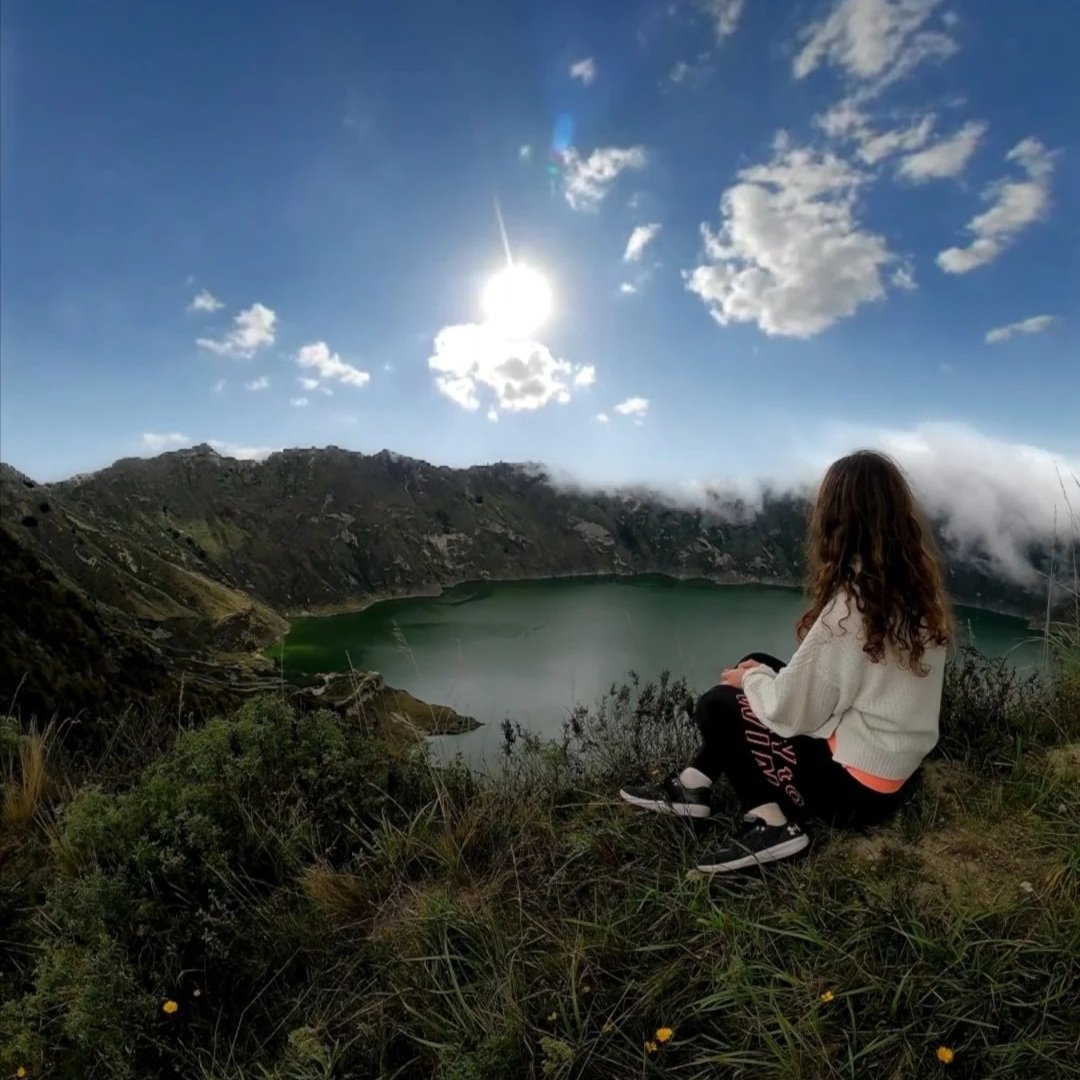
Quilotoa is the westernmost volcano within the Ecuadorian Andes. It’s known for its stunning panorama and turquoise-tinted lake. The crater lake is 250 meters deep, and its distinct colouring comes from the dissolved volcanic minerals remaining from its past eruptions (800 years ago).
The best way to enjoy the incredible lake view and the surrounding landscape is to hike around the rim of the crater. This is a relatively easy hike, though there are a few narrow spots, and it takes about 6-8 hours to complete, depending on your level of fitness and pace. On the way, you will also find some alpacas wandering around.
Picnic overlooking the crater.
If you don’t feel like hiking, you don’t need to do the whole circular trail. Take some food with you, sit on the grass, and enjoy the beautiful view. You will see the colours of the lake changing — from green to turquoise, depending on the position of the clouds.
If you want to taste some local dishes, there are different restaurants at the beginning of the trail.
5) Visit the Pichincha & Cotopaxi Volcanoes
How to reach Cotopaxi - 5,897 m?
Cotopaxi is located 1 hour's drive (65 km) from Quito. To reach it, you can take a bus from Southern Quito - Quitumbe Bus Terminal, heading to Latacunga, and ask the driver to let you off at the Cotopaxi park.
The Volcano
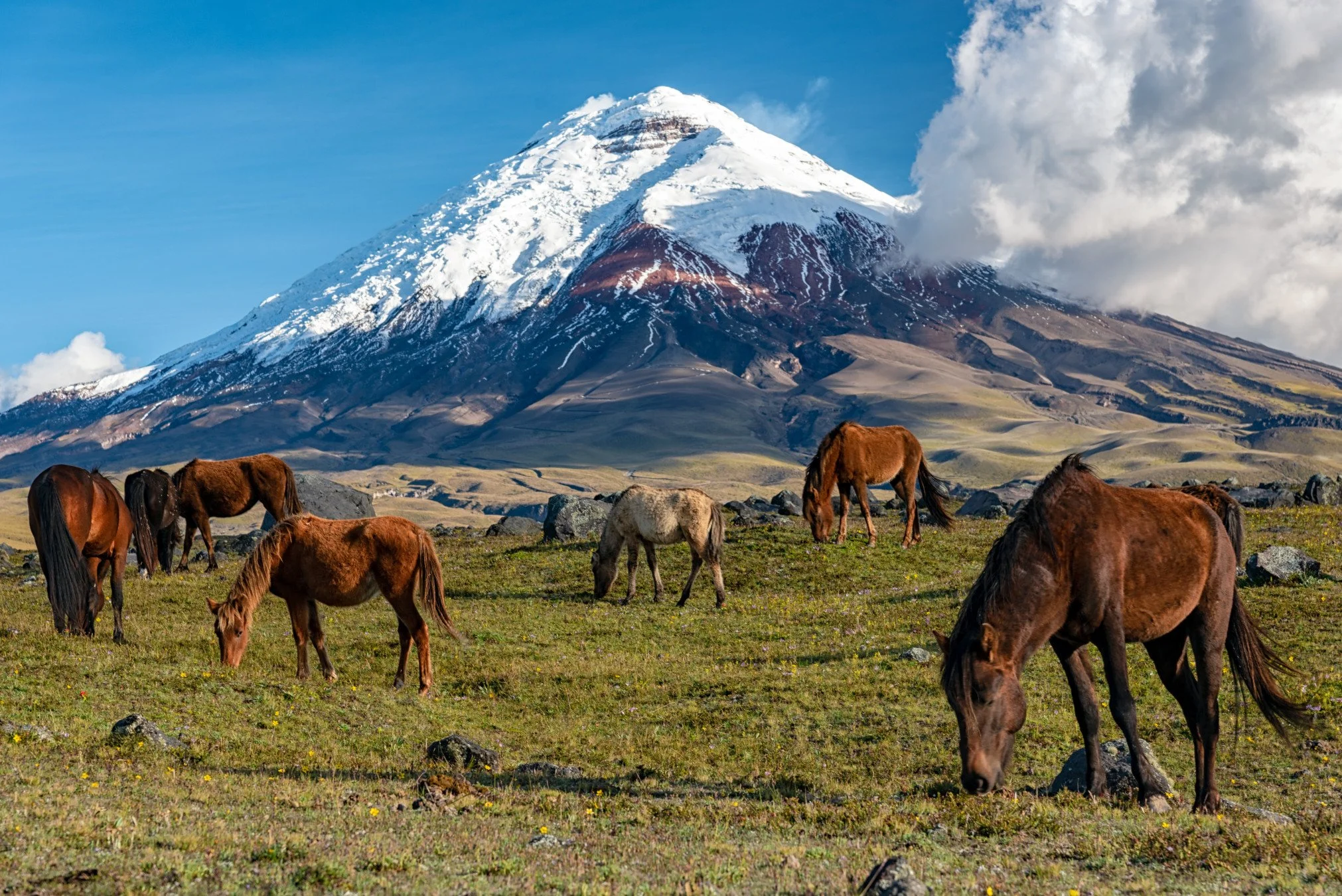
Cotopaxi is among the highest active volcanoes in the world, and the second highest volcano in Ecuador - (5,897 m; 19,347 ft). Its most recent eruption began on 14 August 2015 and ended on 24 January 2016. Since 1738, Cotopaxi has erupted more than 50 times.
When I visited Cotopaxi, I didn’t climb the volcano. For people who hike to the summit, it takes 2 days. If you want to take some pictures of this majestic volcano, I recommend checking in advance the weather forecast and going on a clear day (which is quite rare to find). Most of the days, due to its elevation, it’s very cloudy, so if you manage to get a sunny day with blue sky, consider yourself to be very lucky! The best viewpoint to admire the Cotopaxi Volcano is from ‘Laguna De Limpiopungo’.
Hike the Pichinca Volcano - 4,784 m.
The Pichincha Volcano is one of the most popular hikes in Ecuador. Quito-the capital city, sits on Pichincha Volcano’s eastern side.
How to reach it?
The volcano is easily accessible using Quito’s cable car. The teleferico in Quito is the highest in South America. The cable car elevates you from 2950 meters to 4050 meters for just $8, taking out the longest section of the hike. You will enjoy incredible views of the city before setting off on your hike. The cable car to Pichincha runs from 9 AM until 10 PM.
The peaks
The two highest peaks of the Pichincha Volcano are Ruku Pichincha(meaning “old person”) at 4698meters, andGuagua Pichincha (meaning “Child/Baby”) at 4784meters.
Ruku Pichincha is an extinct volcano (a volcano that is not expected to explode again). Guagua Pichincha, however, entered a new period of seismic activity in 1981 after 100 years of lying dormant. In 1999, the residents in Quito woke up with the city covered with 30 cm of white ash, after the earthquake awakened the volcano.
Climbing to the summit
Climbing the Pichincha Volcano is a very common acclimatisation hike. It’s roughly 10 kilometers in length and takes around 6 hours to complete, depending on the experience of the hiker. Usually, the hike will take 4 hours to the peak, and another 2 hours returning. It’s strongly advised to start as early as possible. At such high altitudes, clouds roll in at around 2 pm, and you may be caught in the fog.
Thank you for reading this post! You can find more South American destinations in the 'TRAVEL GUIDES' section above.