Slovakia, the least visited Eastern European Country
I love Slovakia, not only because it’s the place where I spent my childhood, but it’s also a laid-back destination that doesn't feel the pressure of the tourism industry. A mix of history & culture that in the last decade has embraced modernity.
Travellers always venture to the neighbouring cities like Budapest and Prague, but if you are interested in visiting a country with unique traditions, a strong Slavic culture, and natural wonders, Slovakia may be the perfect destination for your next trip. With many magical castles, mountain peaks soaring over 2,000 meters, and tasty food, Slovakia offers an off-the-beaten-track tourist experience that will both surprise and delight visitors.
Get ready to dive deeper into the next Slavic destination!
1) Enjoy nature in the Tatra Mountains.
HOW TO GET THERE?
The High Tatras are a mountain range located in Northern Slovakia, and the easiest way to reach them is to take a flight to the following destinations and rent a car from the airport. Bratislava Airport (Slovakia) – 3h 30min drive, or Vienna International Airport (Austria) – 4h 25min drive, or Budapest Airport (Hungary) – 4h 25min drive.
The High Tatras
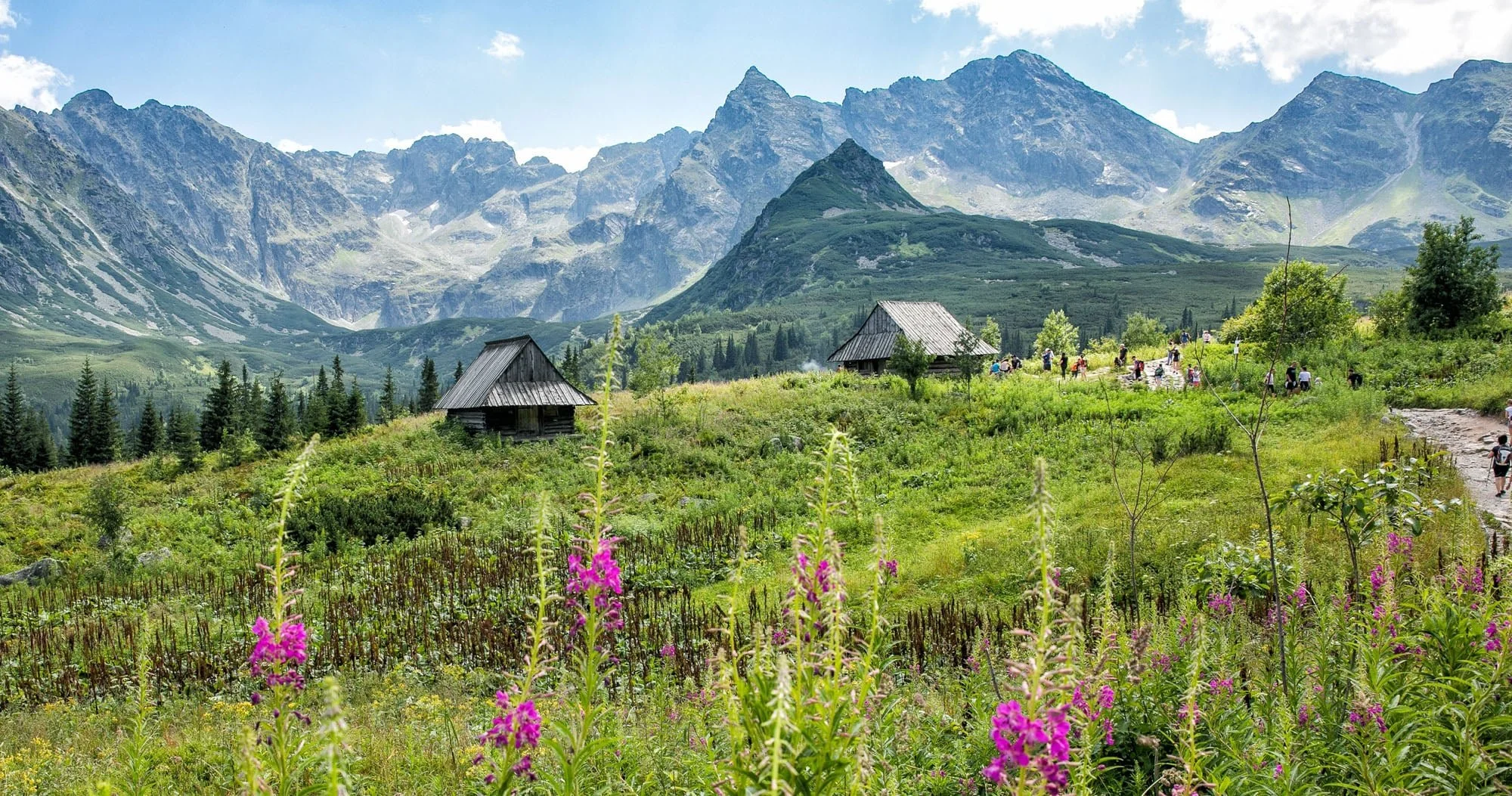
The High Tatras are the smallest alpine mountain range in the world. The protagonist is Mount Kriváň (2,495 m), also an important symbol in Slovak art and culture. When the Slovak people voted to choose a national symbol for the back of the Slovak Euro coins, Mount Kriváň came in second place.
The High Tatras region is famous for world-renowned ski resorts, over 600 km of marked hiking trails, and very affordable prices when compared to other parts of Europe. You can enjoy a beer for only €2.50 and a traditional dish for €7.
IDEAL FOR HIKERS & CLIMBERS
For hiking and other adventure sports, I recommend planning your trip between June and late October.
Whether you are looking for a short hike or a longer challenge, there are multiple options available. Adrenaline seekers shouldn’t miss the incredible Mount Rysy hike (the highest peak in the region) on the border between Slovakia and Poland.
Another challenge is the Zelené Pleso hike, which takes you over 20 km of some of the most beautiful scenery in the Tatras.
If you prefer an easier hike, where you can enjoy a lake scenery, I recommend the Štrbské Pleso Lake trail.
A SKIING PARADISE
Snow transforms the High Tatras region into a spectacular winter wonderland, so you’re sure to enjoy incredible skiing in a stunning mountain environment, and for an affordable price compared to the Alps. The best time for good snow conditions is from December until late March.
The three major resort towns are Štrbské Pleso, Starý Smokovec, and Tatranská Lomnica. You’ll find a total of 24km of slopes and 60km of Nordic ski trails.
2) visit Bojnice - the loire caste of Slovakia
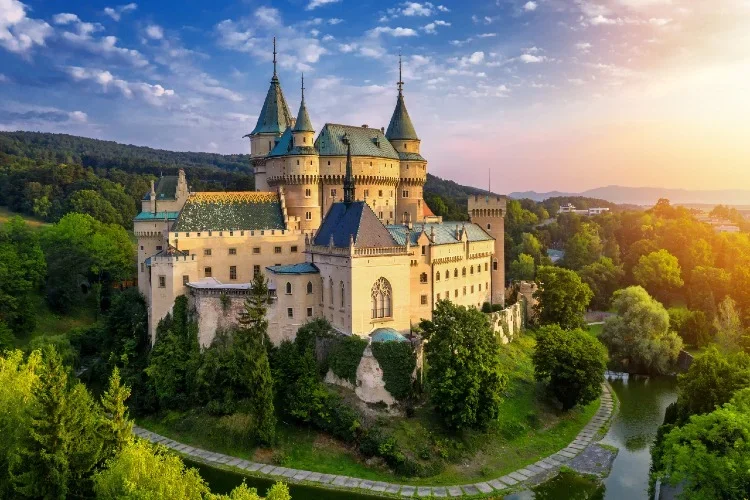
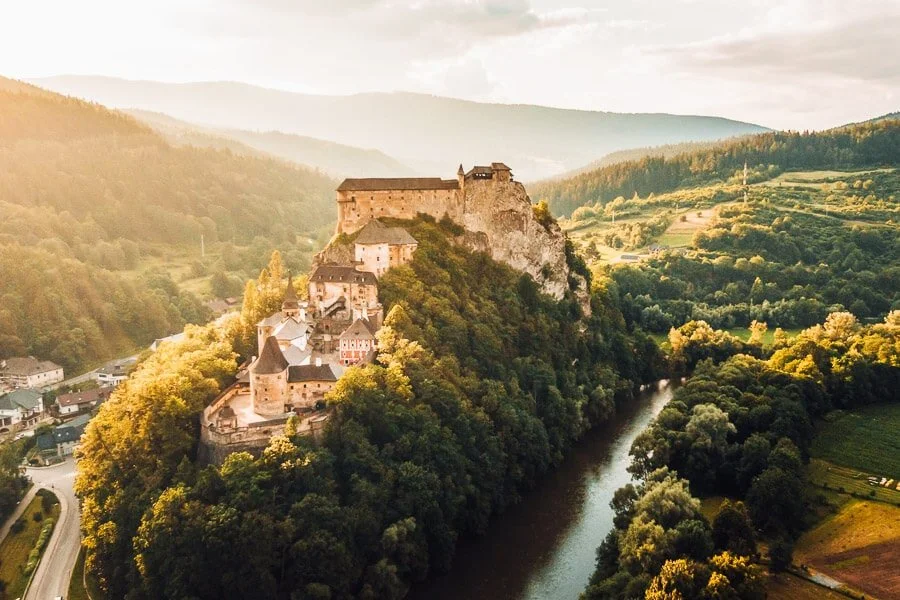
Slovakia is one of the countries with the most castles in the world. There are estimated to be around 120 castles that are possible to visit. The most famous one is Bojnice Castle, located in central Slovakia, 167 kilometres northeast of Bratislava.
Built in the 12th century, the Romanesque Bojnice Castle has a rich history, a medieval feel, and an underground cave. The exterior of this high-spired, spellbinding castle is utterly remarkable, and its interior is just as spectacular. Little wonder it is a frequently used shooting location for fantasy films, starring as one of the silver screen’s prettiest fairytale castles.
A perfect destination for romantic getaways that will fulfil all your Disney fantasies. Don’t miss the observation tower located in the mountains about the town – it offers beautiful views of the castle.
3) VISIT BRATISLAVA, THE HIDDEN GEM OF CENTRAL EUROPE
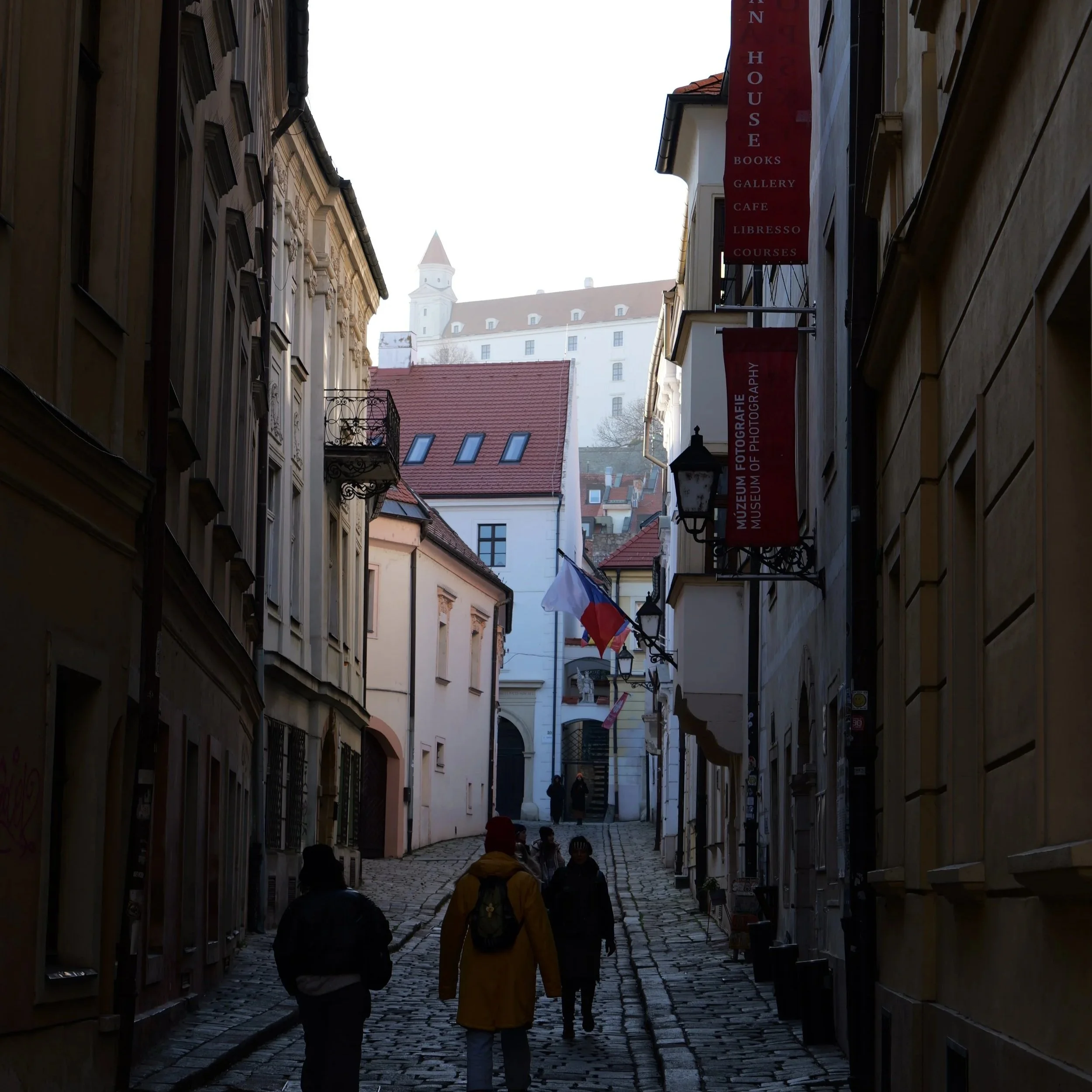
Bratislava, the capital of Slovakia, is located right in the heart of Europe and belongs among the more underrated capitals because it has been overshadowed and historically overpowered for over 1,000 years by Budapest, Vienna, and Prague.
I recommend not comparing Bratislava to any of them! Come with open eyes and an open mind, and you will be amazed by the authenticity of this capital.
HOW TO REACH BRATISLAVA?
The easiest way is to take a direct flight to Bratislava Airport. However, there are better flight connections to Budapest, where you can take a 3-hour bus ride all the way to Bratislava. The prices are very affordable, and I usually go with Flixbus or Slovak Lines.
WHEN & HOW TO TRAVEL?
Even though the summer weather is always sunny, the temperatures might be too hot to enjoy the capital. My favourite months are October and November when Bratislava has mild temperatures and turns into beautiful red-orange colours.
Not being a big capital, Bratislava is easily accessible on foot. Another way to move around is by Uber, also very affordable! With €3-4, you can get to the other side of the city. I recommend staying in Bratislava for 3 to 5 days. It is enough time to visit the capital and what it has to offer.
BRATISLAVA CASTLE
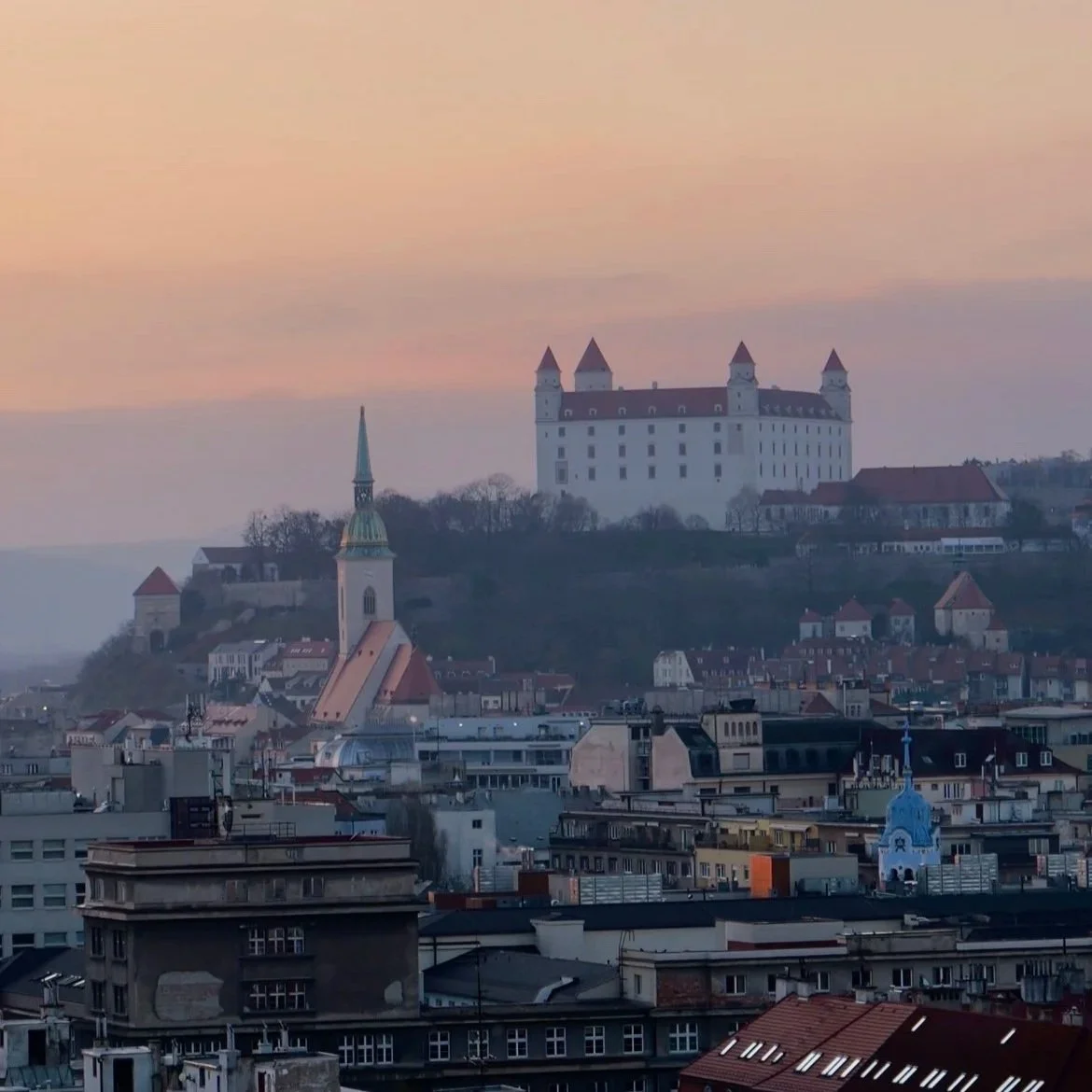
The castle had strategic and geographical importance to protect against attacks during the period of the Great Moravian Empire.
To get to the castle, there is a beautiful walk from the city centre that leads to the castle’s gardens. From above, you can enjoy the incredible view of Bratislava and the Danube River, and if you visit the park in autumn, the garden turns into red-orange colours, which makes the experience even more majestic.
You can walk around the exterior parts of the castle for free, but if you want to go inside and visit the National Historic Museum, there is a fee to pay. When you are leaving the castle, I recommend taking the staircase at the park’s entrance, which will lead you into a picturesque old-style street with many cafés on the way.
St. Martin's Cathedral
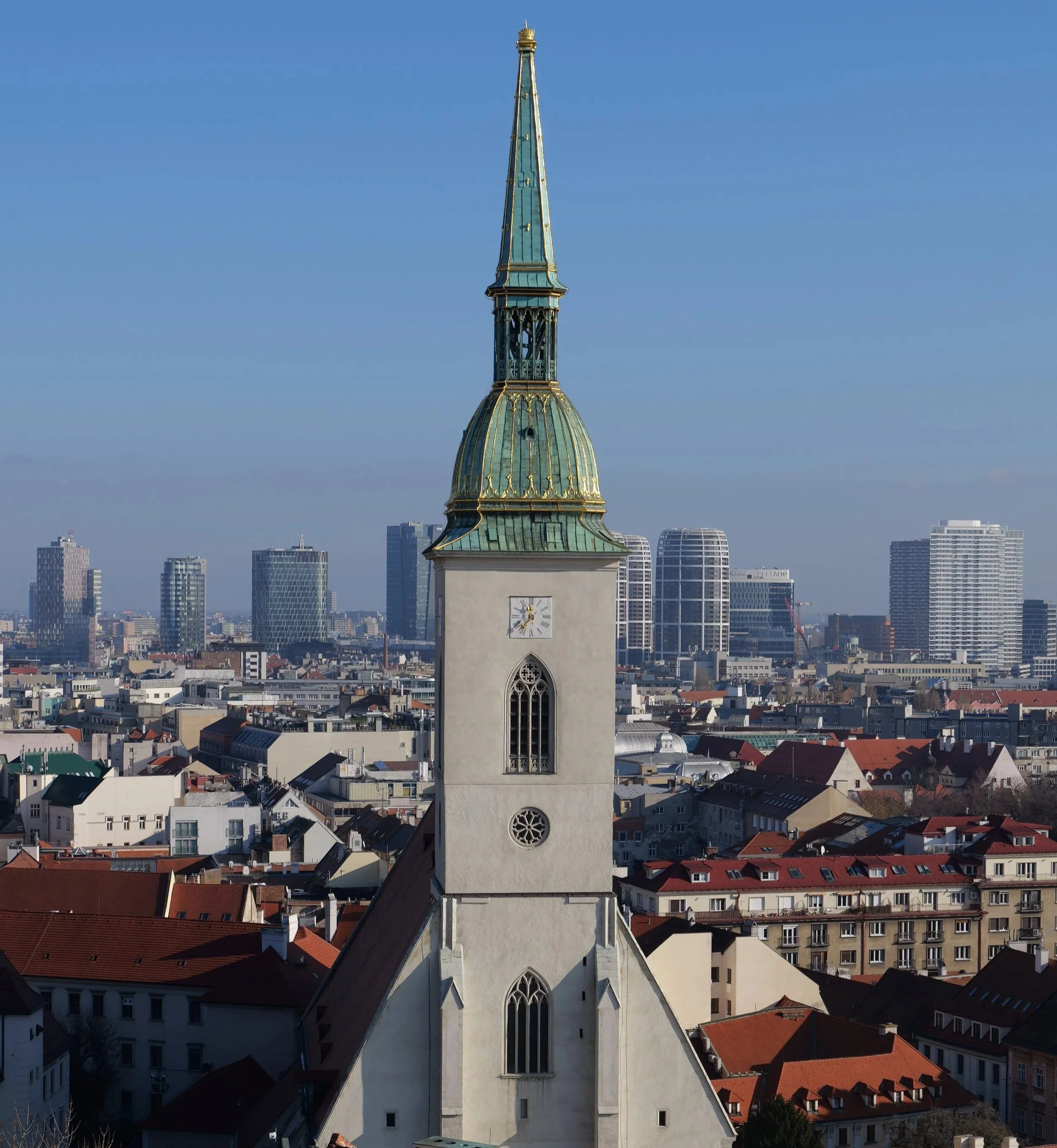
To reach St. Martin’s Cathedral, I recommend walking through Kapitulská Street, where you will pass by some colourful traditional buildings and a small winery.
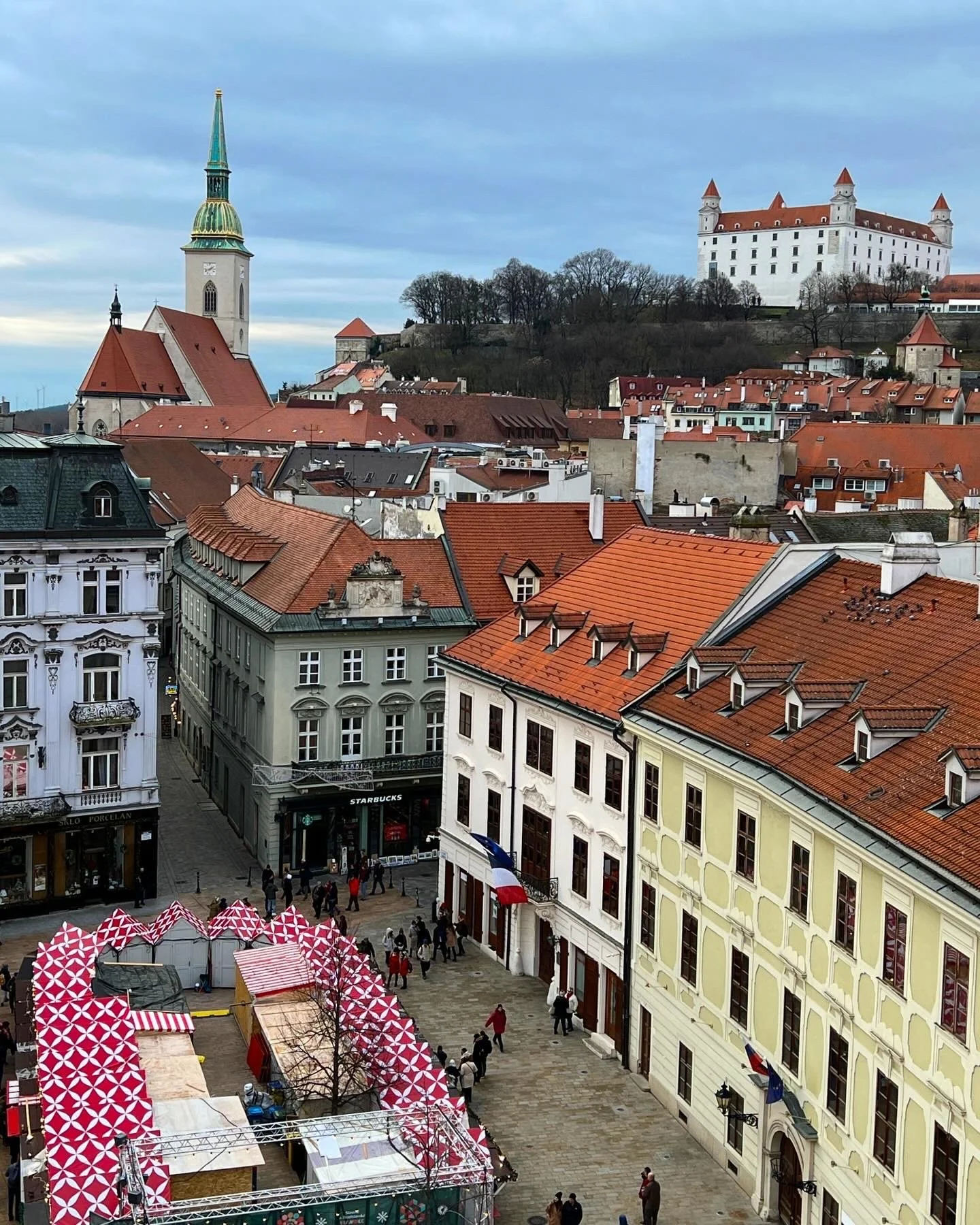
The gothic cathedral with its 85 m high spire dominates Old Town’s skyline. The church is famous for the coronation of Queen Maria Theresa during the Hungarian Kingdom and is one of the finest and oldest churches in Bratislava. Make sure you visit its underground crypt with the catacombs.
Michael's Gate & tower
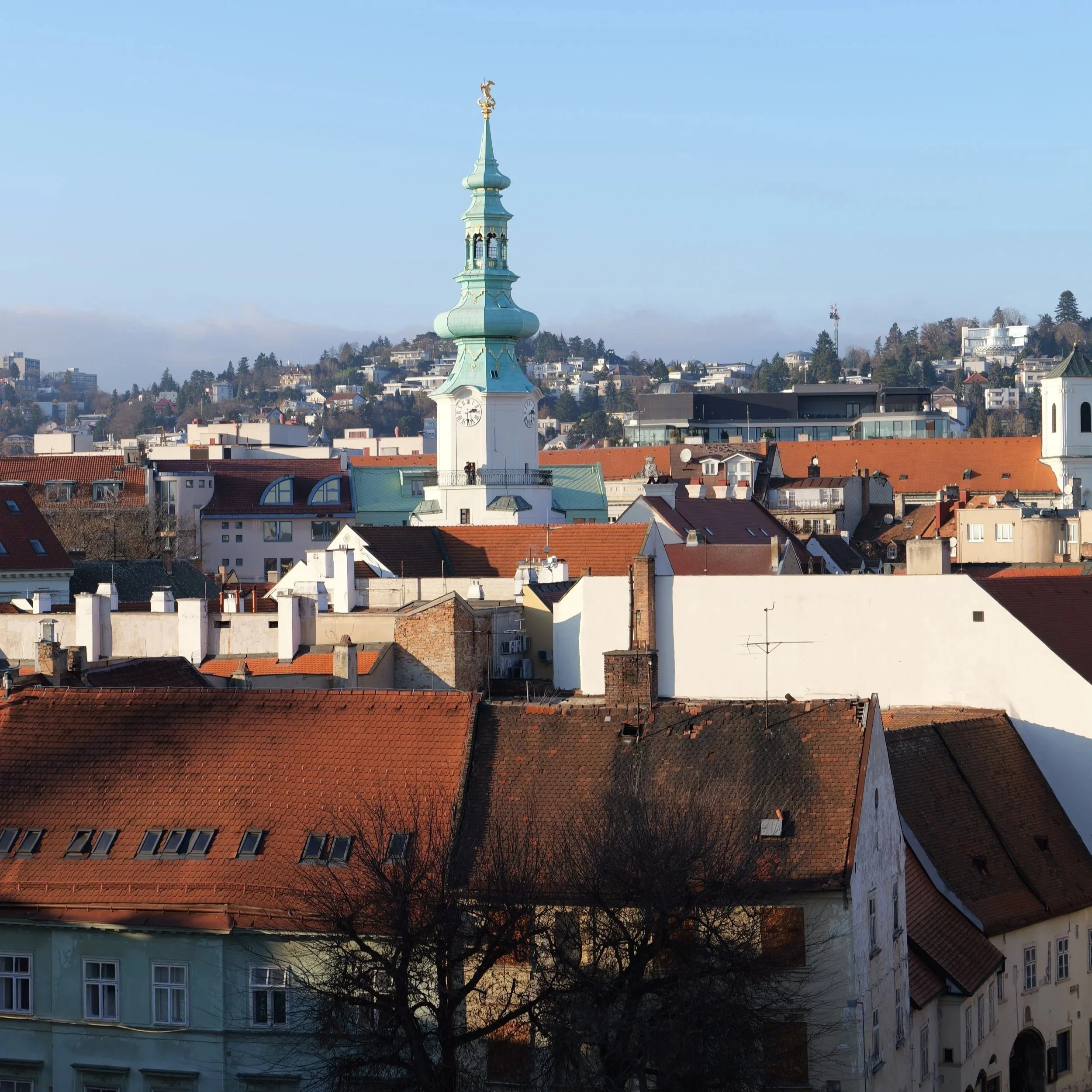
Michael’s Gate is one of the main entrances to the Old Town, and you will surely pass it! When walking through the Gate, look up, and you will see Michael’s Tower, 51 m high with 7 floors. Right under, there is a golden circle known as kilometre zero, which represents the distances from Bratislava to 29 other capital cities.
When you leave the tower, I recommend turning right and entering the smallest street, Baštová Street. Check it out, as it is considered to be the narrowest and most romantic street in Bratislava.
THE MAIN SQUARE
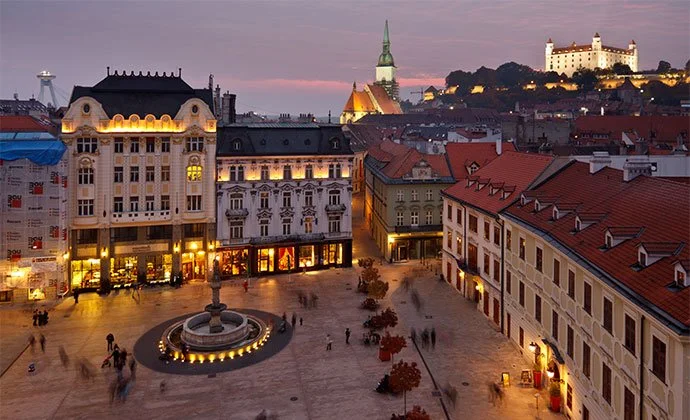
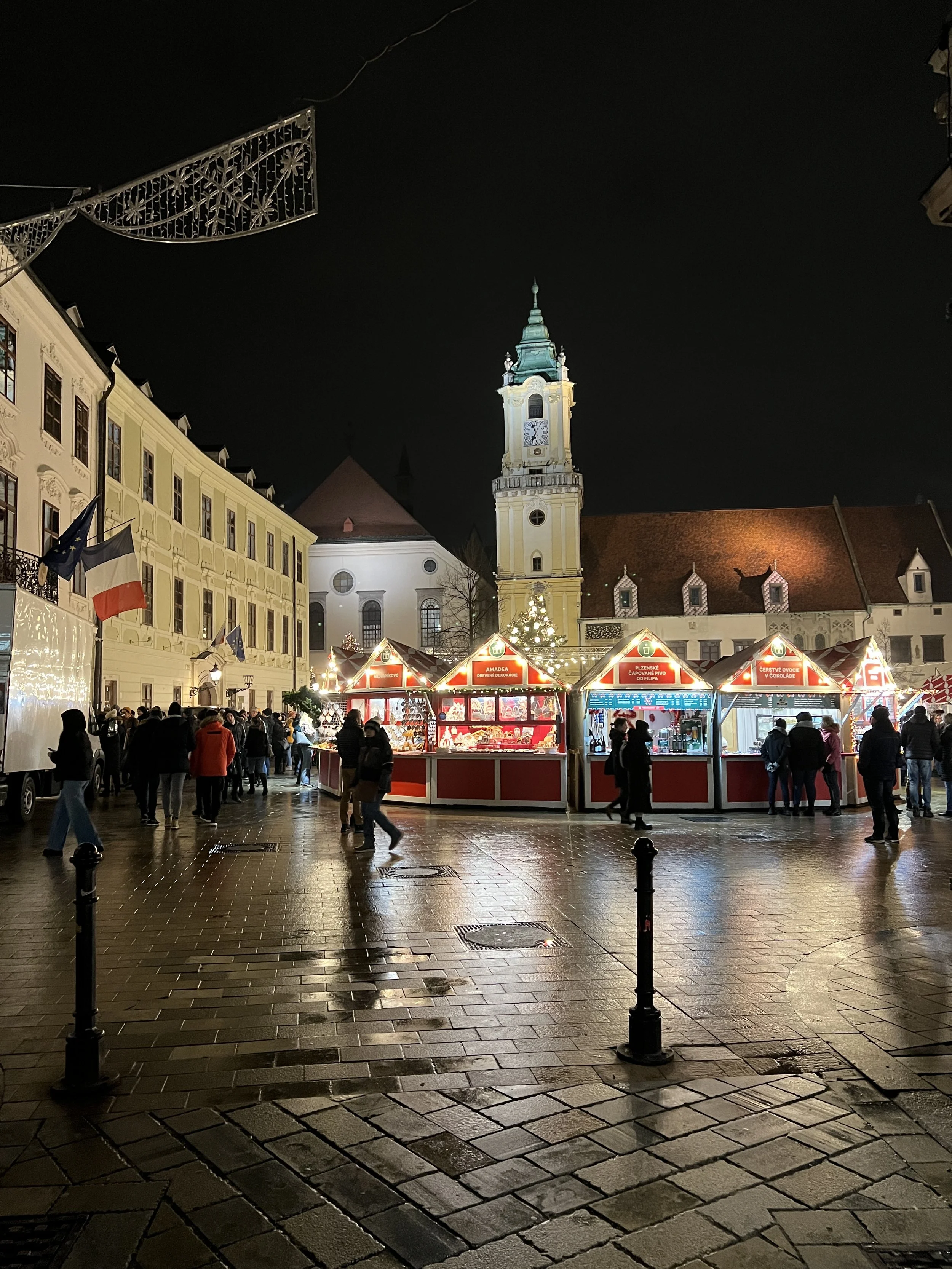
The central point in the old town of Bratislava, the Main Square, has been the hub of the town for centuries. It is surrounded by landmarks, including Kutscherfeldov Palace, Pawera House, Ungerov Dom, and the Maximillian Fountain. Additionally, tons of restaurants, cafes, and bars in the area keep it bustling.
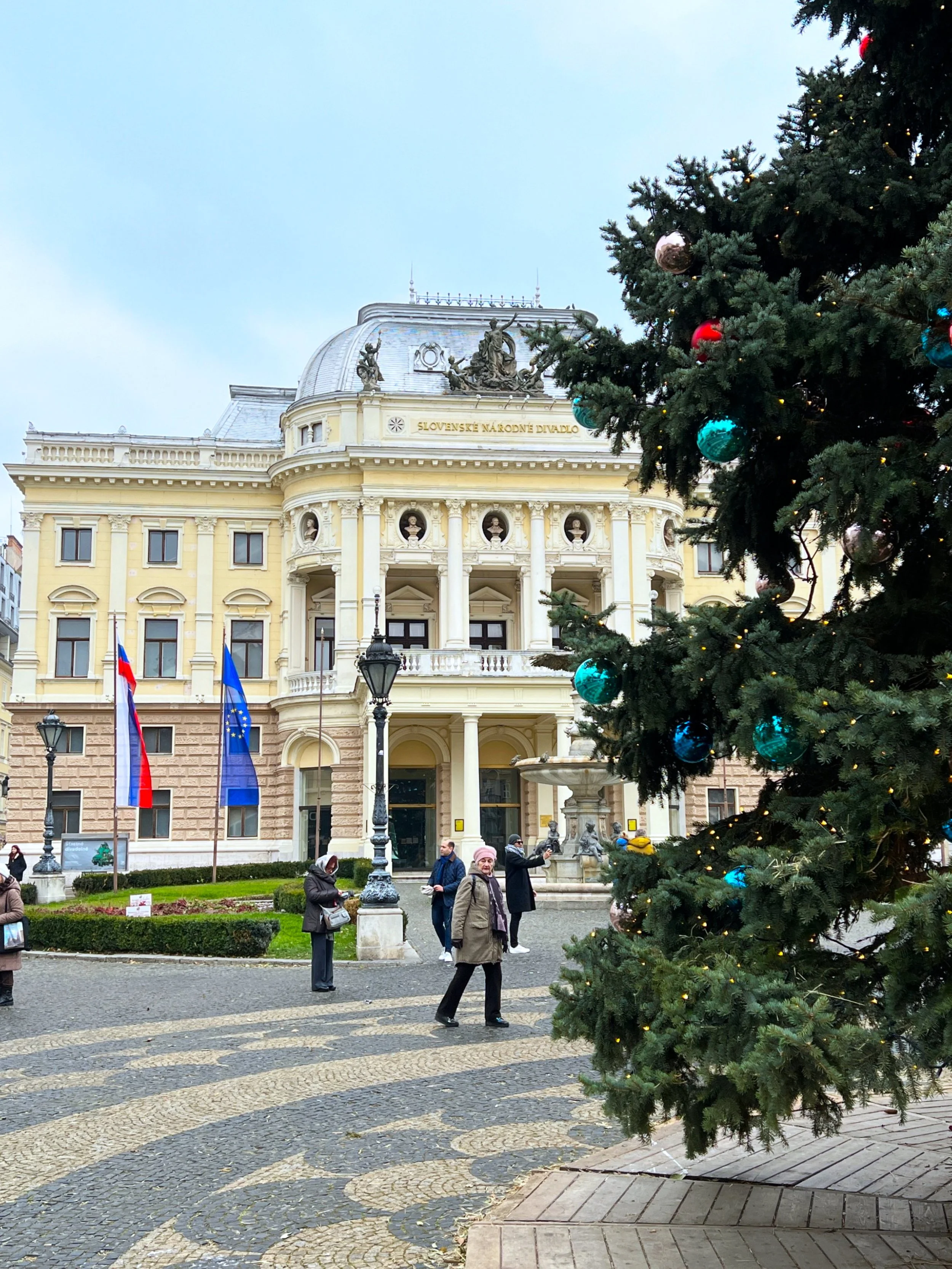
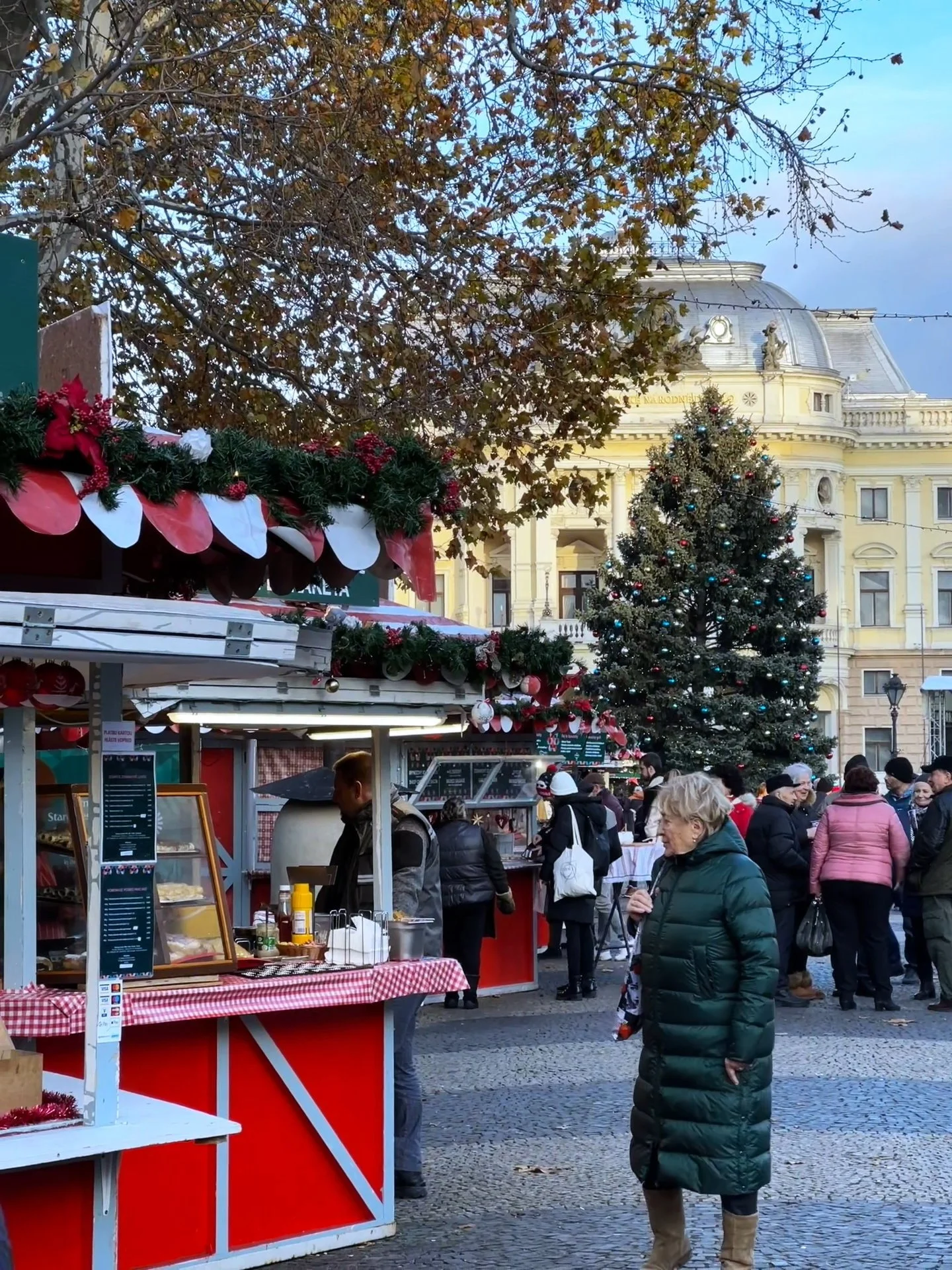
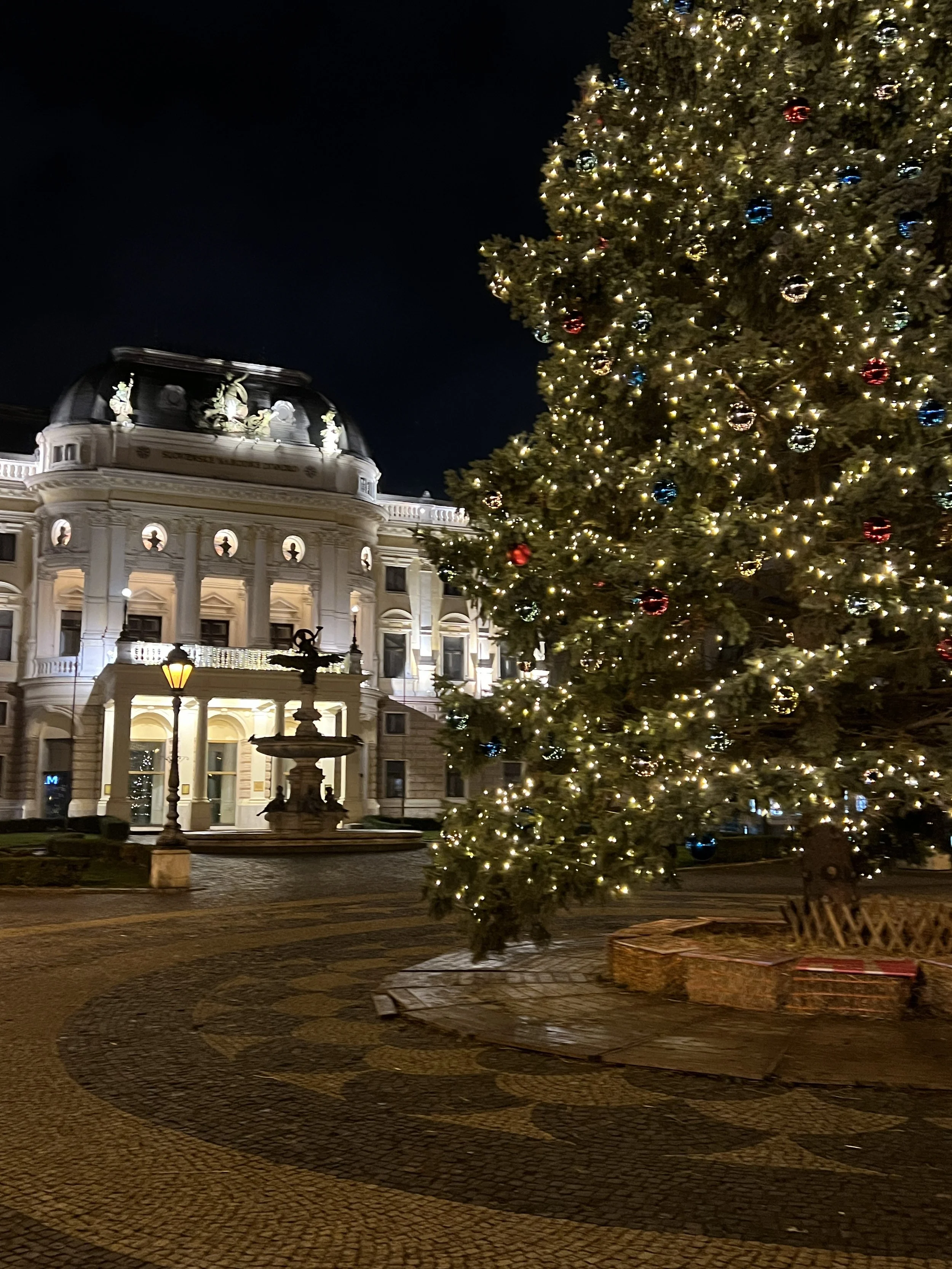
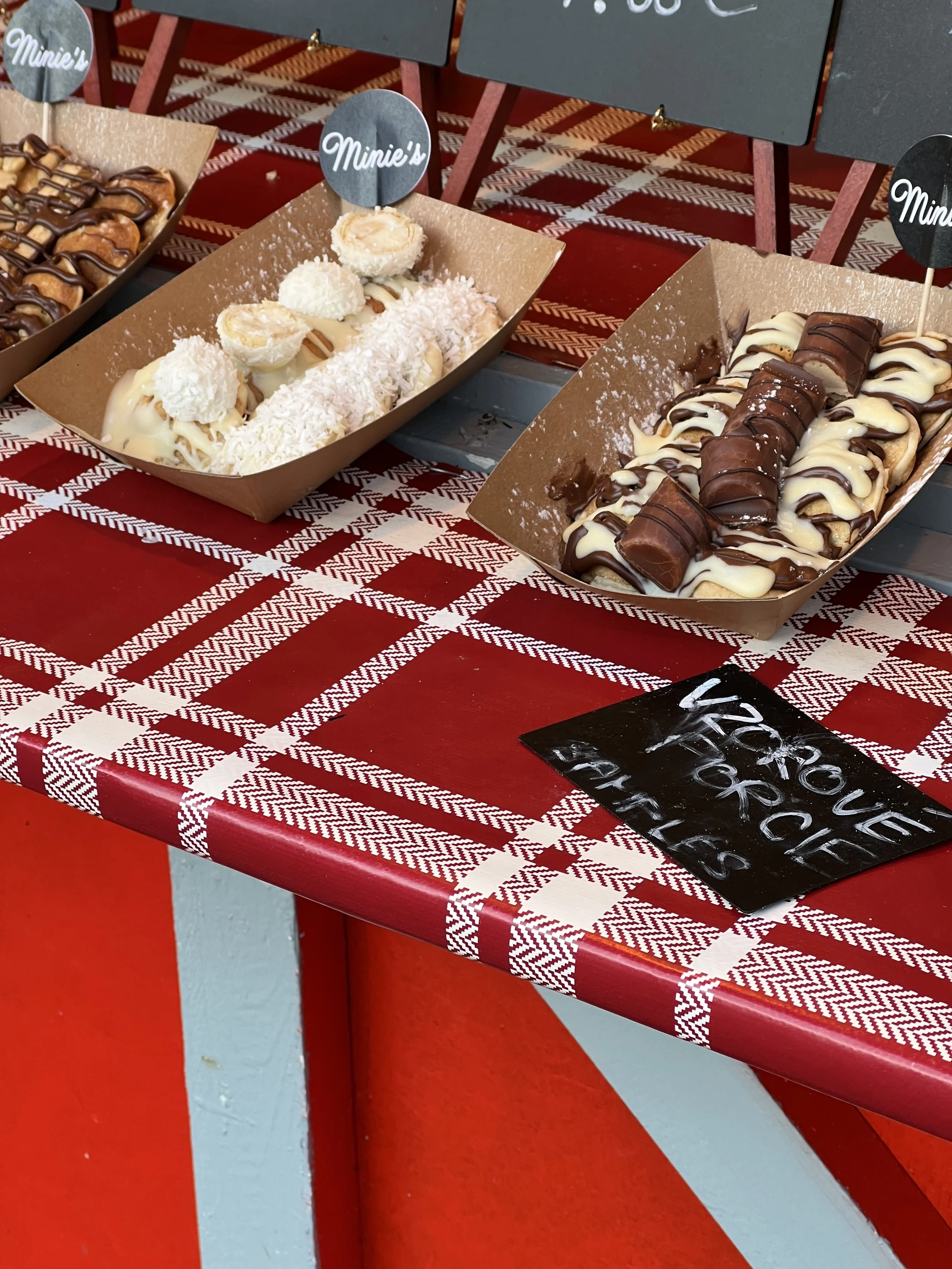
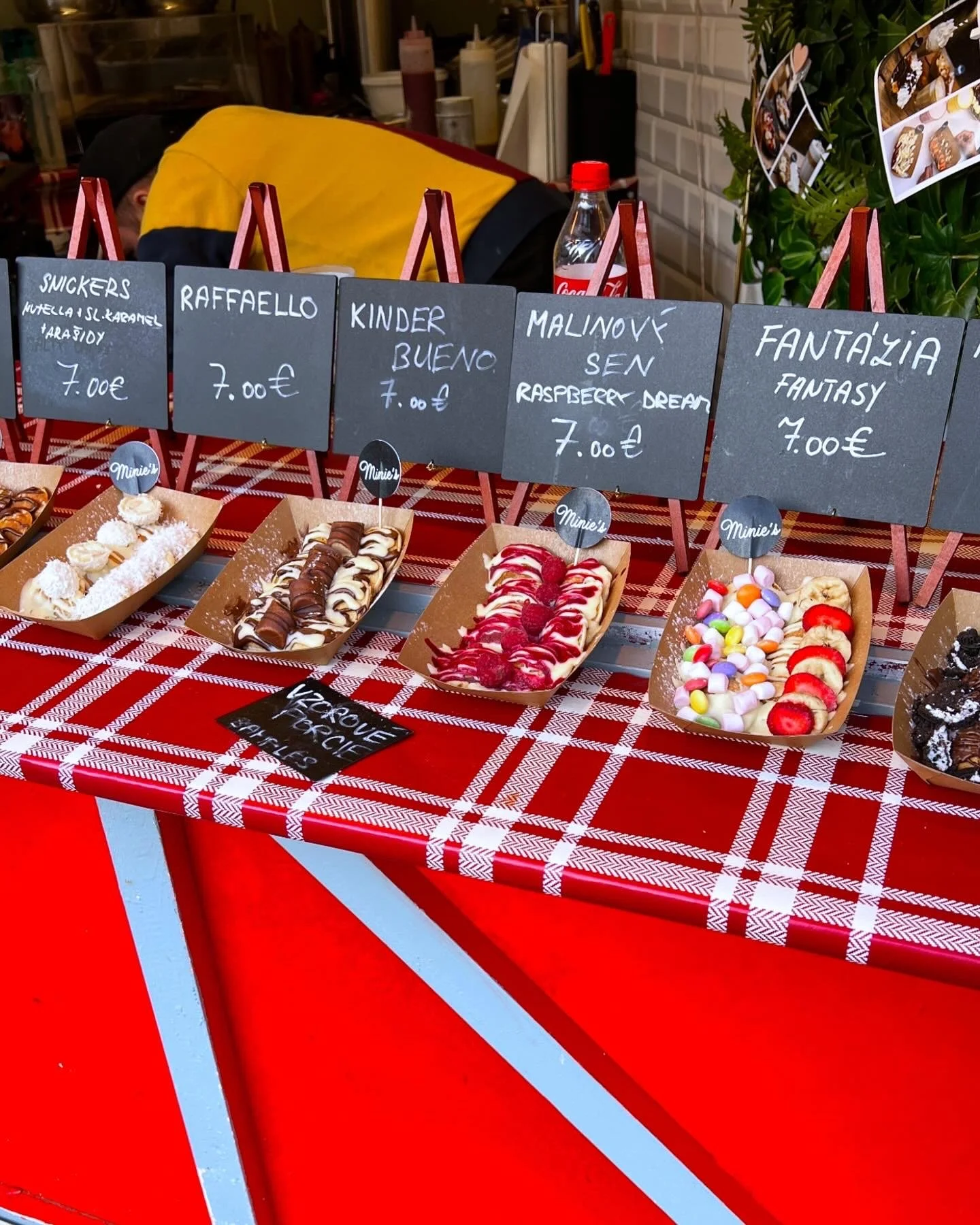
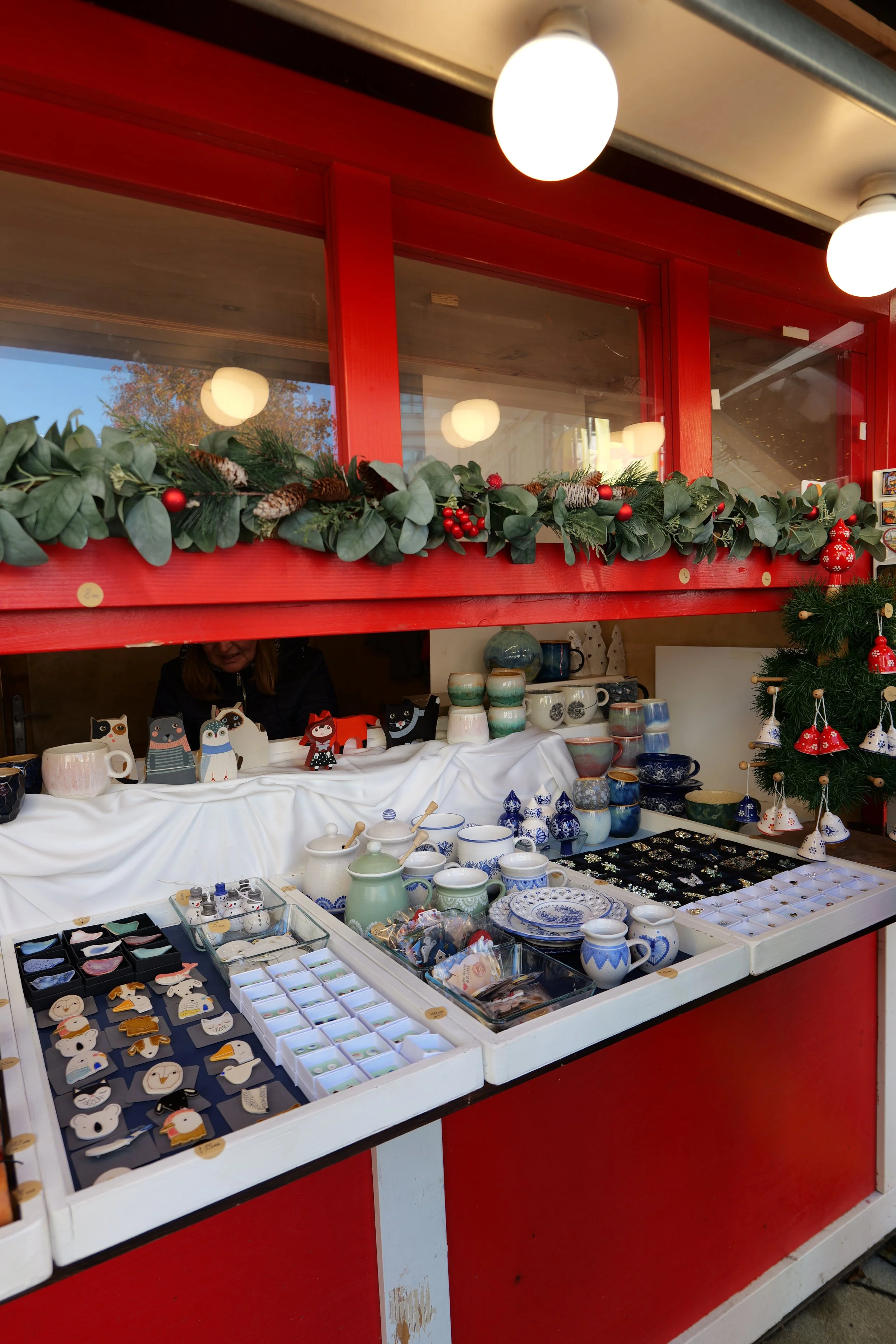
During the winter months, the Main Square is home to Bratislava's Christmas fair. The entire area is decorated, and vendors set up stalls throughout the square, with the famous Christmas markets. You'll find souvenirs, boiled wine, beer, warm chocolate, and many traditional dishes.
TAKE A PICTURE WITH THE BRONZE STATUES
Bratislava is famous for its playful and quirky life-sized bronze statues scattered throughout the Old Town. Most of these figures were installed in 1997 to revitalise the city's pedestrian zone after the fall of the Communist regime.
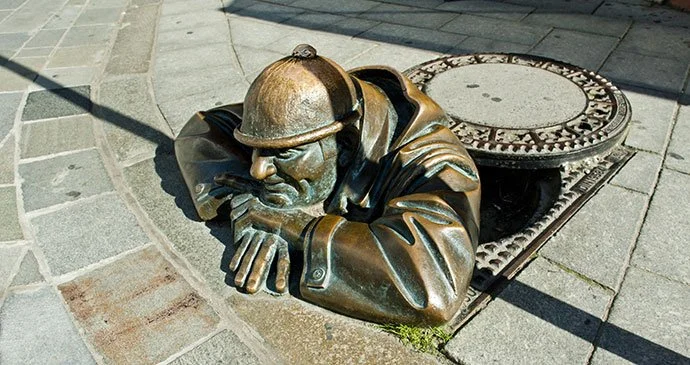
Taking a picture with Bratislava's statues isn't just about the memory—many of them come with local legends and superstitions that make posing with them a "must-do" ritual for good luck.
mt favourite cafés & restaurants in Bratislava
Café - Panenská kaviareň: Healthy food in a hip & fun environment, easily accessible from the centre. They offer delicious Acai Bowls, Avocado toasts, Macha Latte & much more.
Restaurant - Modrá Hviezda: If you are looking for a typical Slovakian restaurant set in a romantic location, this is the place for you. Located on the castle's side, it is one of the best-rated restaurants in Bratislava. Good value for the quality price.
Mlynske nivy mall restaurants: If you are indecisive with the restaurant choice or you want a huge variety of dishes from different ethnicities, I recommend eating in the new Nivy Shopping Mall. You find many restaurants from Slovakian food to Korean, Japanese, Thai & much more. Don't miss the experience of Slovakian shopping malls!
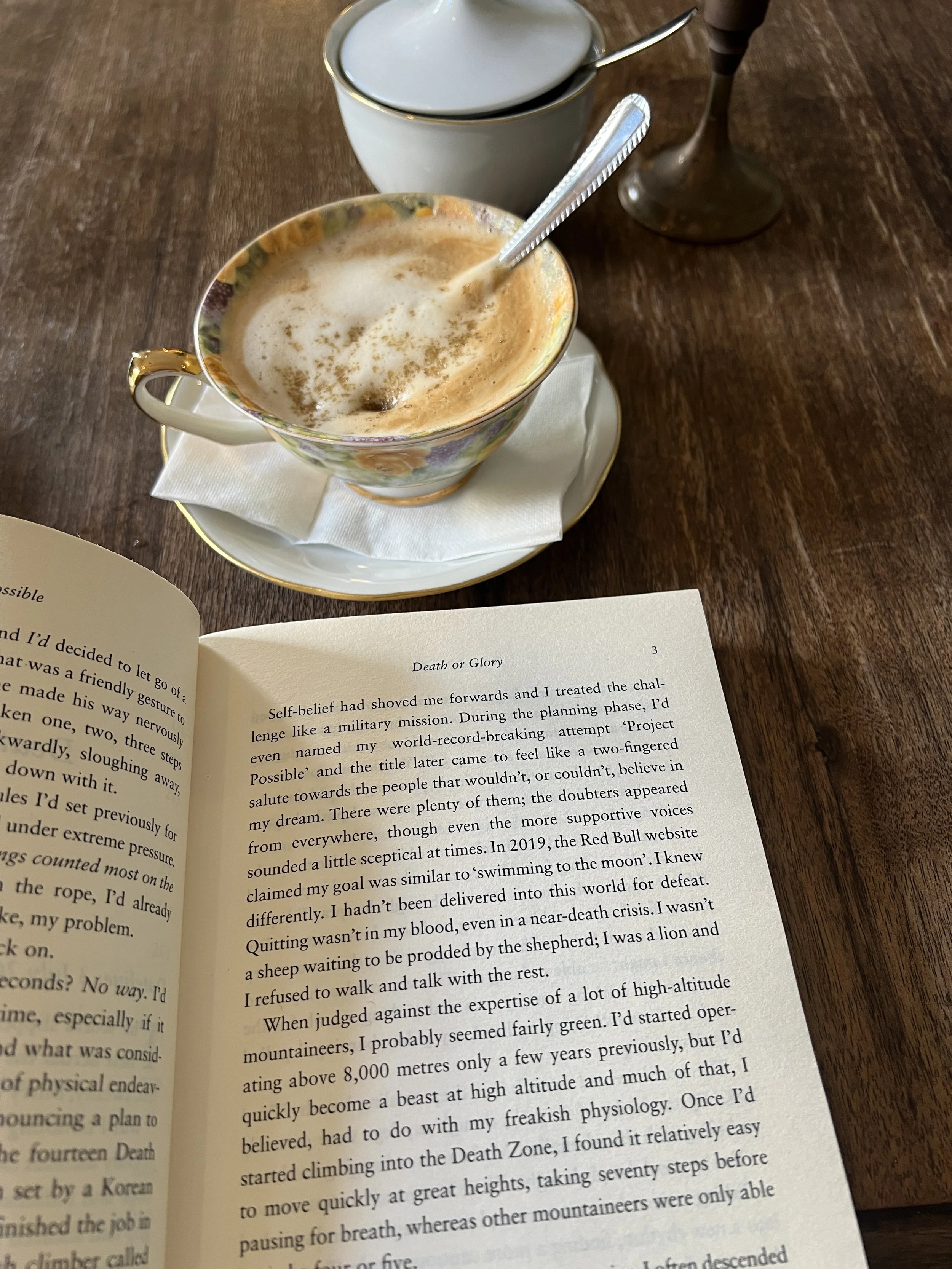
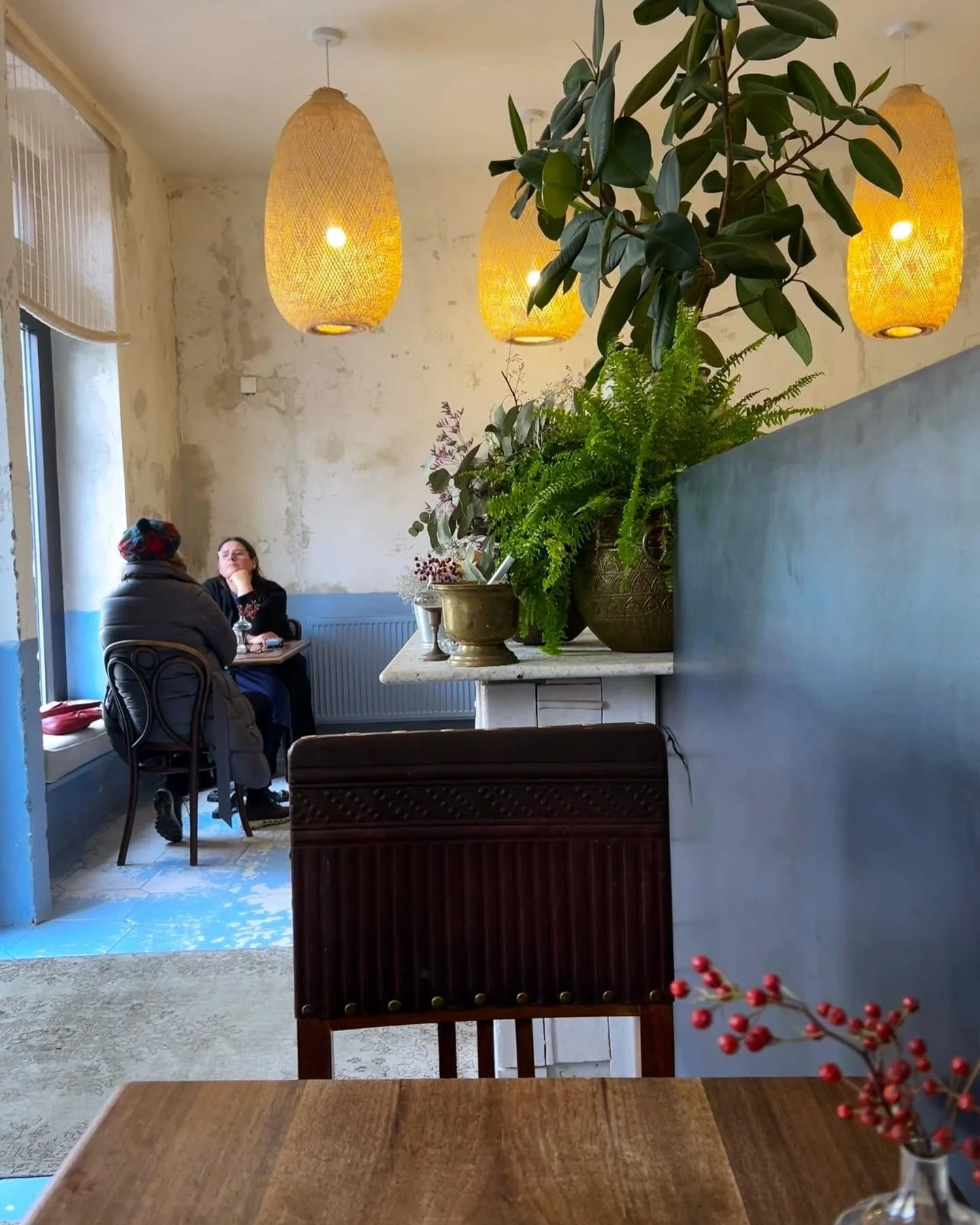
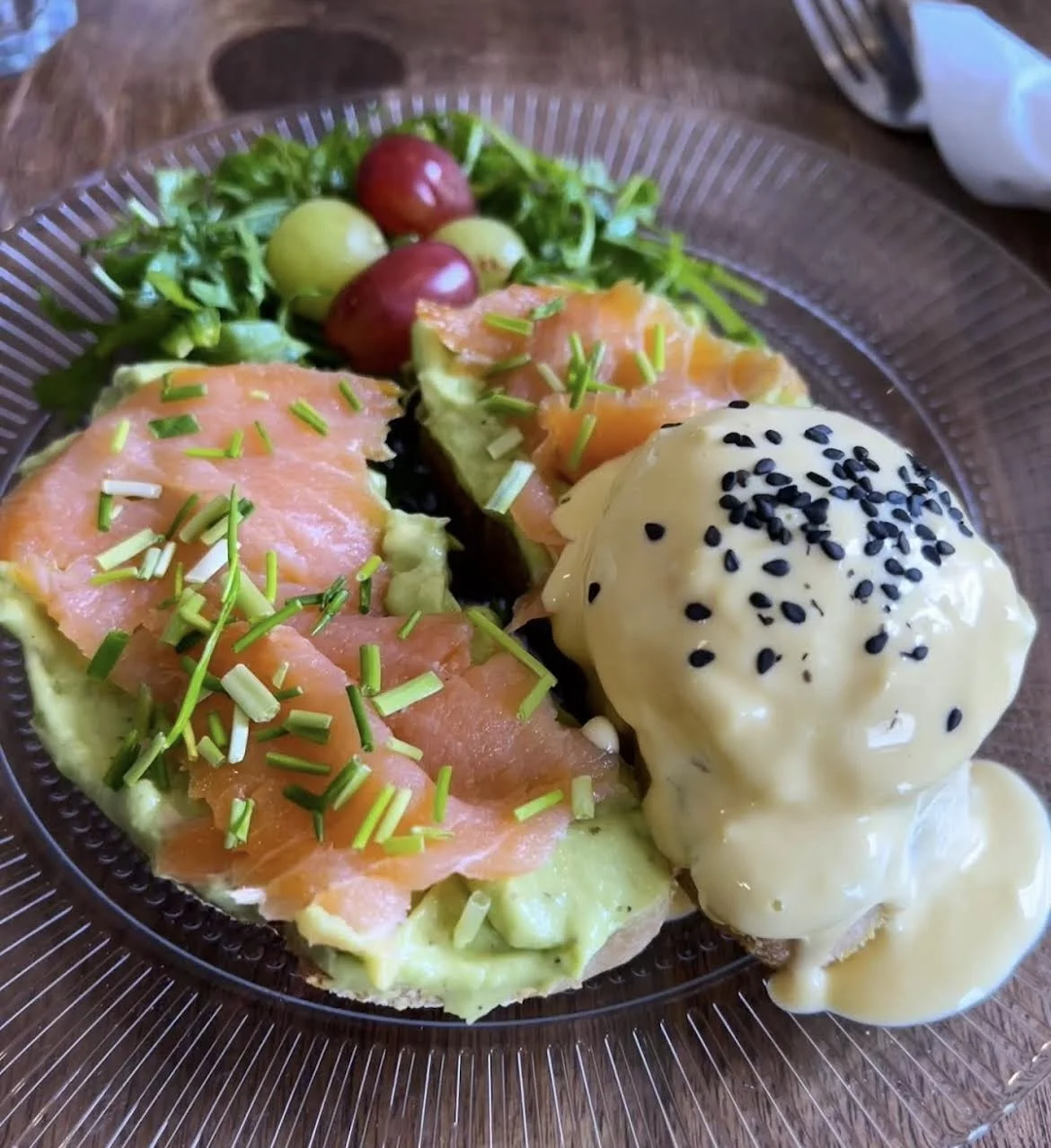
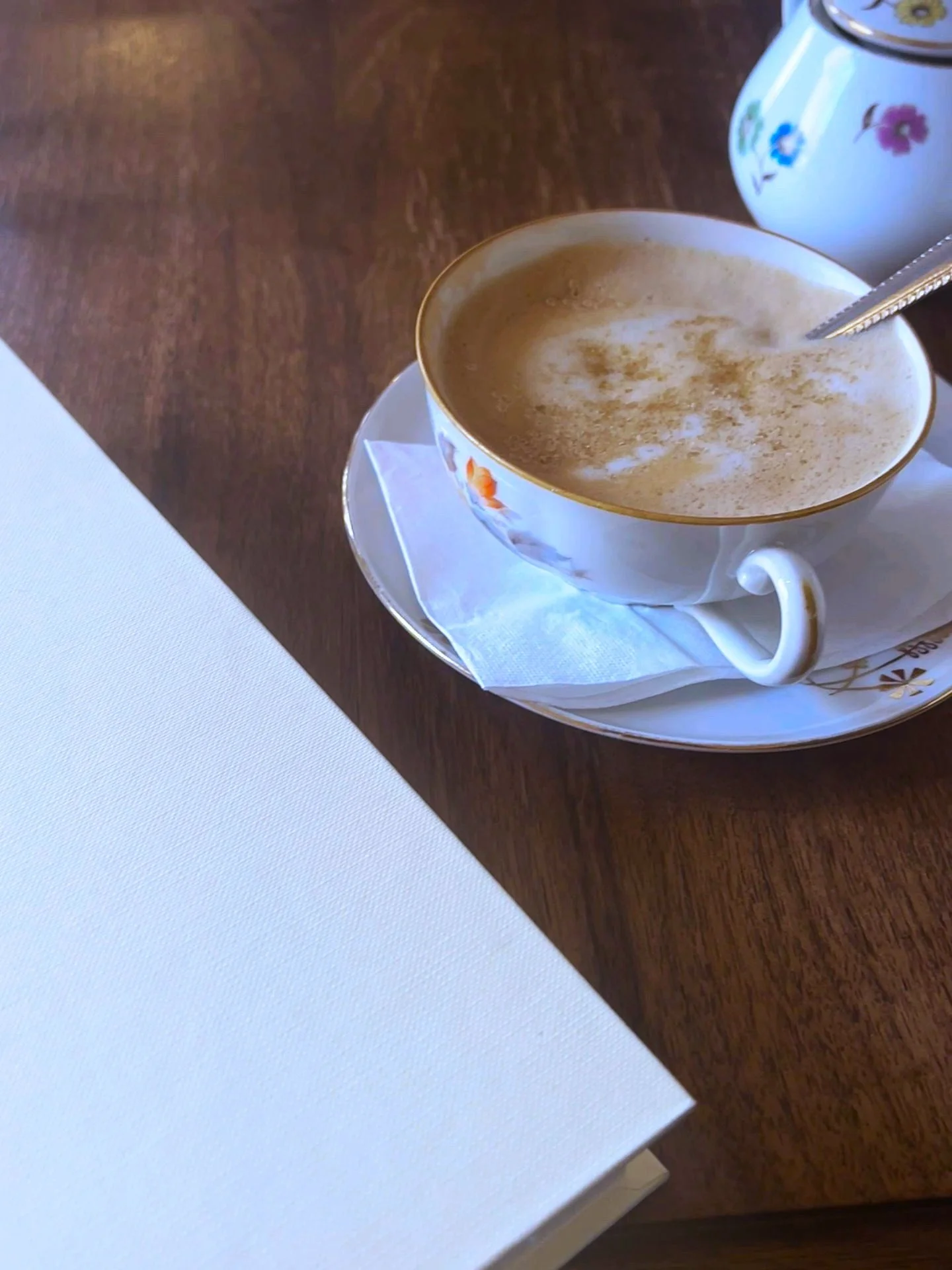
No. 9 od raňajok po olovrant: (which translates to "No. 9 from Breakfast to Afternoon Snack") is a charming cafe located on the edge of Bratislava's historical centre. It is highly regarded by locals for its "homey" feel, high-quality, simple ingredients and good prices. It’s my favourite coffee place in Bratislava, I go there every morning for breakfast. I always have the avocado toast with poached egg and smoked salmon.
VISIT THE UFO OBSERVATION DECK
The UFO is an Iconic building and a symbol of Bratislava.
To reach it, you can walk from the city centre, cross the bridge, and once you are on the other side of the city, there is a small road below that leads to the foot of the observation deck. The elevator will take you in 45 seconds from 0 to speechless amazement. At a height of 95 meters, with a line of sight to 100 km, you’ll have a 360-degree view of Bratislava, you can also spot Vienna, and enjoy the Danube River from above.
The UFO is open from 10 AM until 11 PM, and it costs €10/pax.
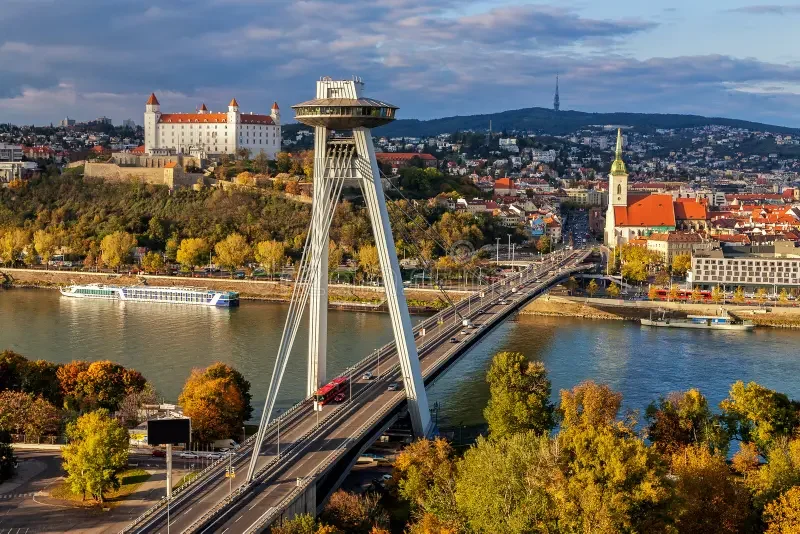
I recommend reaching the observation deck right before sunset. Bratislava has one of the best sunsets I’ve ever seen; you’ll understand why when visiting it. The best part is when the red-orange sky colours reflect on the Danube River.
In the winter, sunset time is around 8 PM, and in the summer, around 9 PM.
To make your experience in Bratislava even more special, I recommend also having dinner in the UFO restaurant.
The restaurant, which opened in 2005, features a minimalistic interior designed for a perfect view and a gourmet gastronomy experience with dishes that vary from Mediterranean to Asian cuisine.
If you are a fan of nouveau cuisine, there is also a 7-course menu for €80 that includes a couple of beers and a coffee. Well worth the money for the whole experience, especially considering that the restaurant won several gourmet awards. My favourite dish was grilled prawns, accompanied by tasty cocktails.
Even though the restaurant prices are higher than the typical Slovakian prices, it’s definitely an experience worth the hype!
4) DISCOVER THE SLAVIC CULTURE IN ČIČMANY
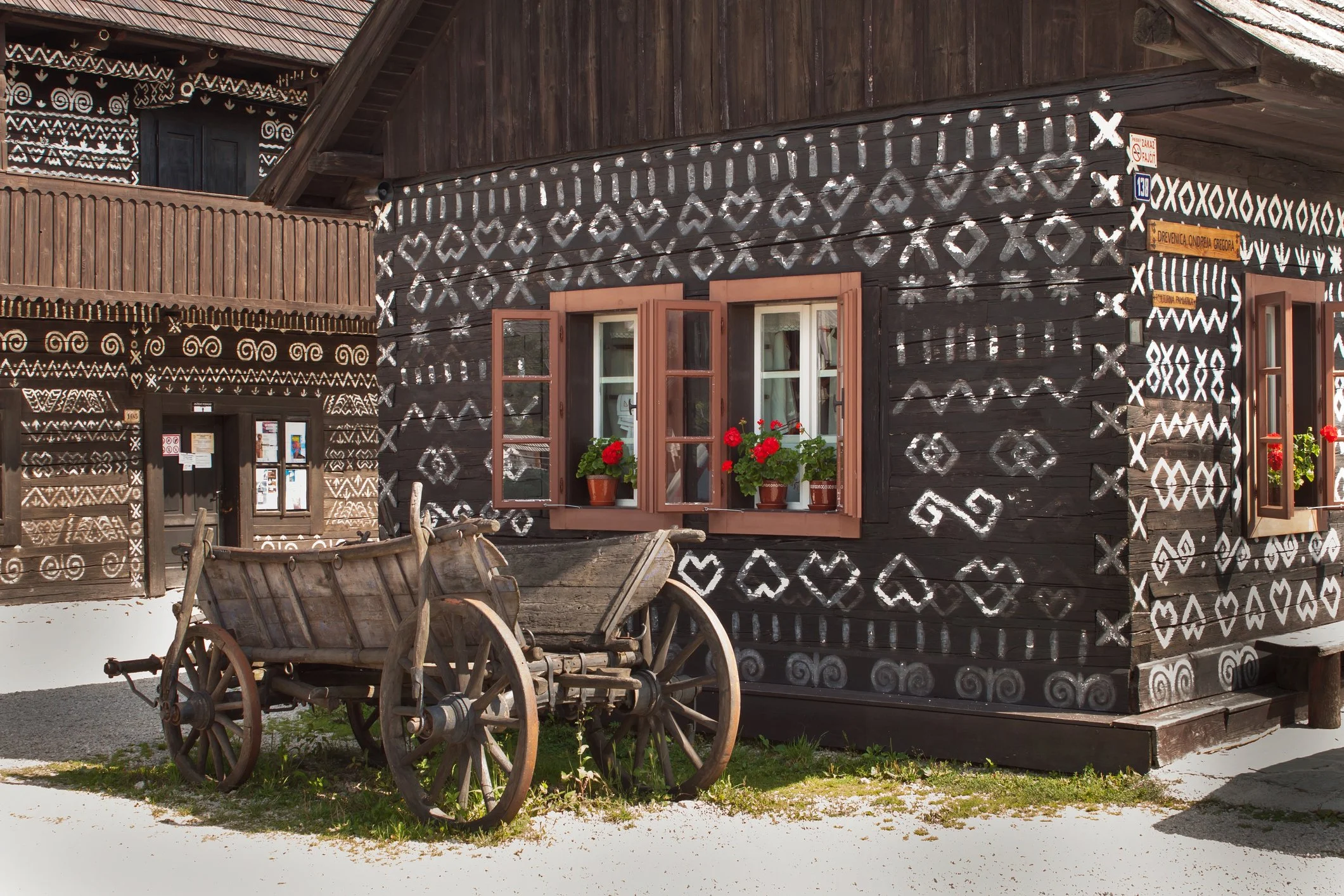
Čičmany is in northwestern Slovakia, surrounded by the spectacular Strážov Mountains. The village is about a two-hour drive from Bratislava. It is possible to reach Čičmany by public transport. The easiest way is to take a bus from Žilina to Rajec, and from there, another bus to Čičmany. However, there are very few buses passing through Čičmany. Or, you can rent a car from Bratislava.
A PAINTED VILLAGE
The tiny village of ČIČMANY, today with a population of 204, looks just like it did hundreds of years ago, untouched by time. The village has preserved the typical black timber houses, each one decorated with traditional patterns in white lime paint. Literally, street after street is characterised by folk art.
Although the records of the village at Čičmany date back to the 13th century, the decorations began only 200 years ago, when white lime was used to help preserve damaged wood.
When you walk around the village, you can also enter some houses, which are used as a museum and show how daily life used to be back in the day in Slovakia.
Don't miss the Fašiangy Carnival
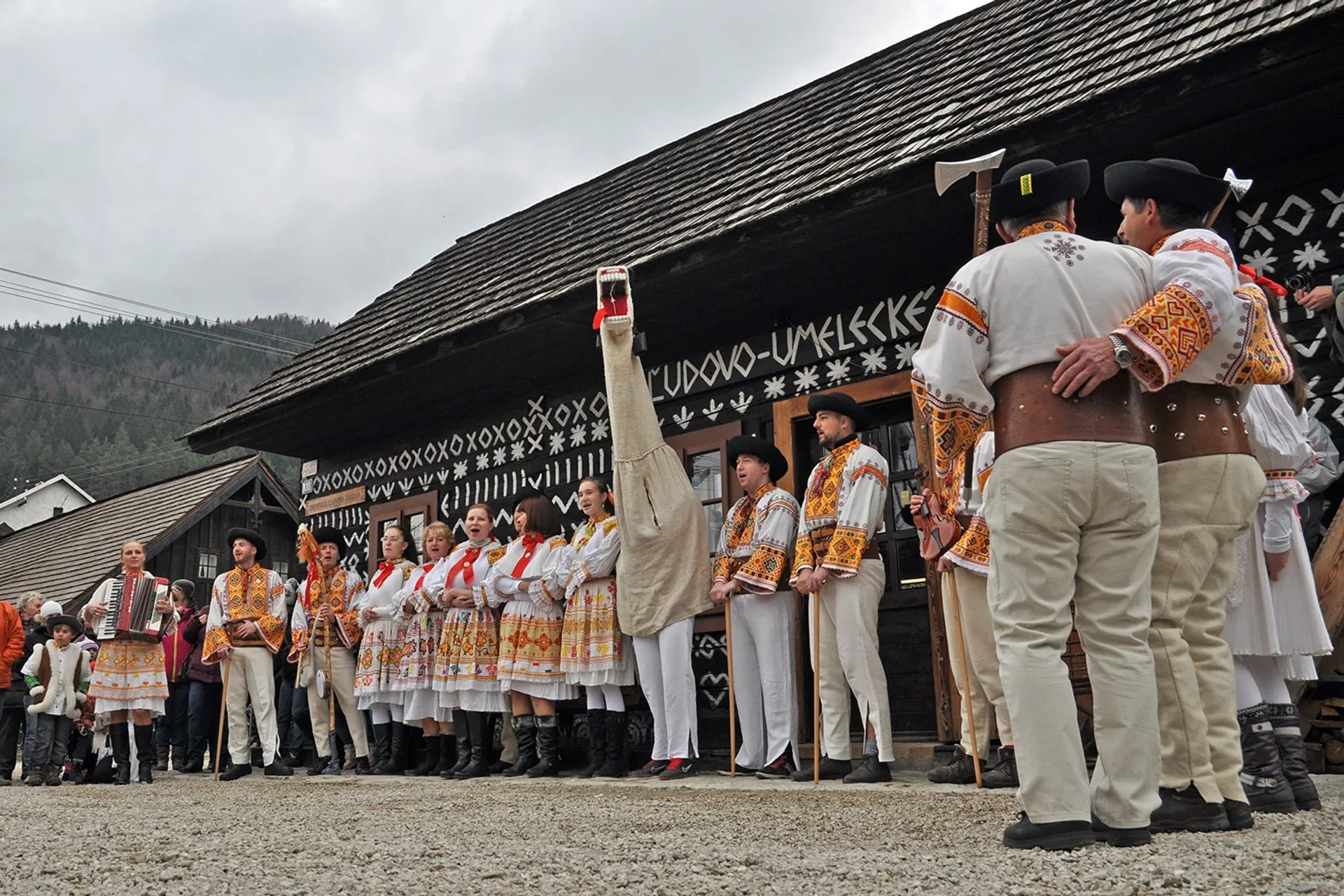
The most popular occasion in Čičmany village is the Fašiangy Carnival - a Catholic Holiday which is celebrated all around Slovakia.
In the village, the carnival offers shows with folk music and traditional dances in beautiful Slovak costumes. Not to mention tasty Slovak food and homemade spirits. It's a great chance to feel the real spirit of Slovakia, enjoy its culture, learn about its traditions, and communicate with locals.
The celebration usually takes place in February around Ash Wednesday, and it lasts a few days.
5) taste the typical slavic food
Slovakia enjoys a prime location in Central Europe, surrounded by Hungary, Austria, the Czech Republic, Poland, and Ukraine. Because of Slovakia’s central position and complex history, many Slovak dishes also exist in the surrounding countries, but Slovaks have added their special twist to their local cuisine.
Common foods are quite heavy and spicy; they include pork, soup, wheat, cabbage, potatoes, garlic, onions, and a lot of paprika! Culturally, Slovaks eat three main meals a day, with two snacks squeezed in between – desiata, a late morning elevenses, and an afternoon snack known as olovrant. Slovakian food has largely gone under the radar internationally. This is a shame, as Slovak cuisine is some of the most delicious and hearty food in all of Europe.
Very important not to forget to accompany your meal with a Zlatý Bažant beer, like a real Slovak!
Enjoy, or like Slovakian say: 'Dobrú chuť!
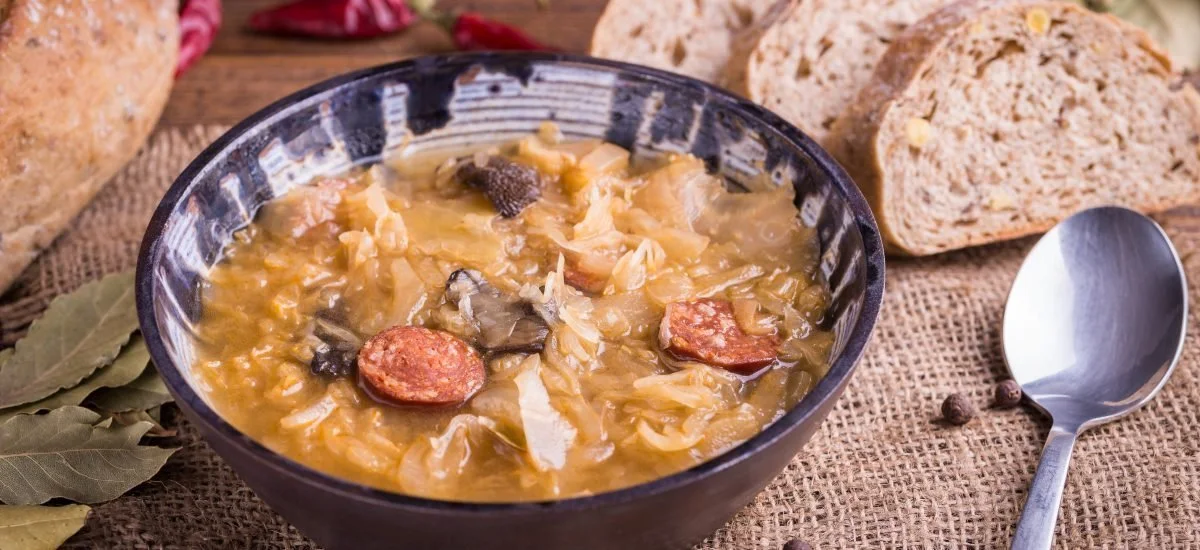
Kapustnica - cabbage soup:
Kapustnica is a delicious cabbage soup -a hearty mixture of sauerkraut, dried mushrooms, sliced sausage, and onions. It is served with a dollop of sour cream. You can often find the soup served in a bowl made of bread, which absorbs the juicy flavours while the outside crust remains crunchy. Kapustnica is one of the most recognisable Slovak foods and an essential dish in Slovakian cuisine. It is eaten as an appetiser, but it is also a part of the traditional Christmas dinner.
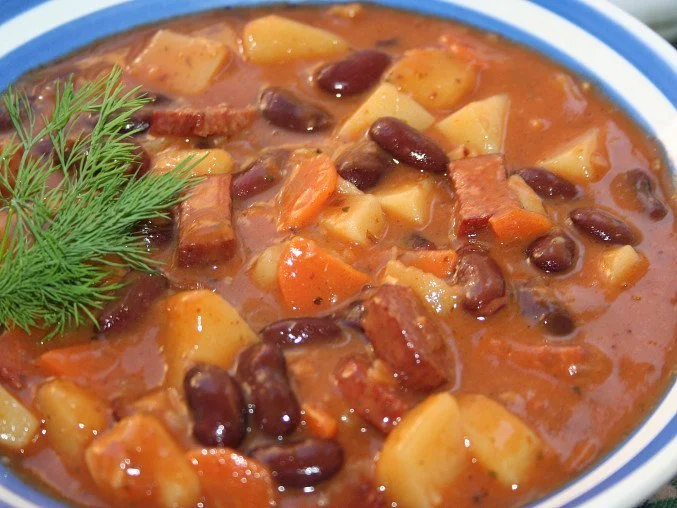
Fazuľová Polievka - bean soup:
Fazuľová Polievka is a rich and creamy sour bean soup. It has a base of fazula beans -a spotted, colourful bean native to Slovakia. This traditional soup has a deep, smoky taste. This is due to the combination of softened fazula beans and the use of sliced smoked bacon in the recipe. Sour cream, milk, flour, potato, and vinegar help form a thick, creamy base, while garlic, peppercorns, and bay leaves inject a little spice and sour notes into the taste. Fazuľová Polievka is usually served with butter and crusty bread.
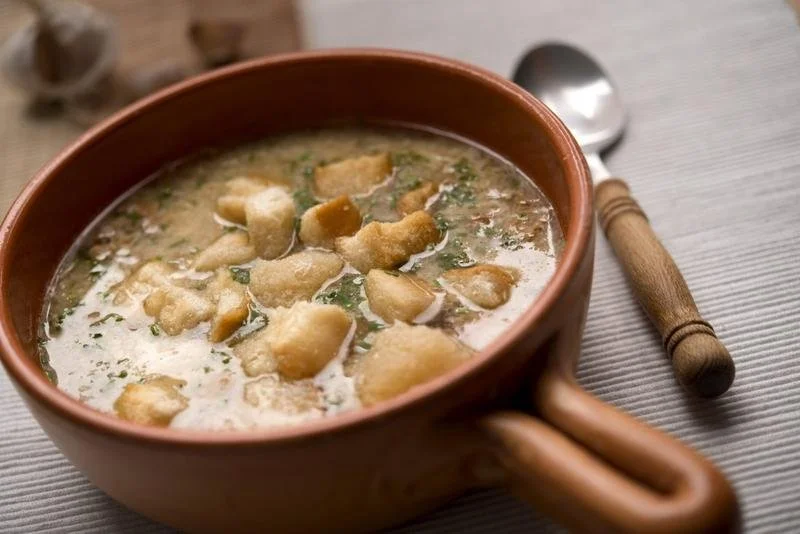
Cesnaková Polievka - garlic soup
Soups, as you can see from the list, form an integral part of Slovakian cuisine. Therefore, the popularity of cesnaková polievka, a rich garlic soup, should come as no surprise. The preparation includes frying plenty of garlic chops and then boiling them with paprika, caraway, salt, and potato cubes. Once ready, the soup is poured over the bread, garnished with parsley and grated cheese.
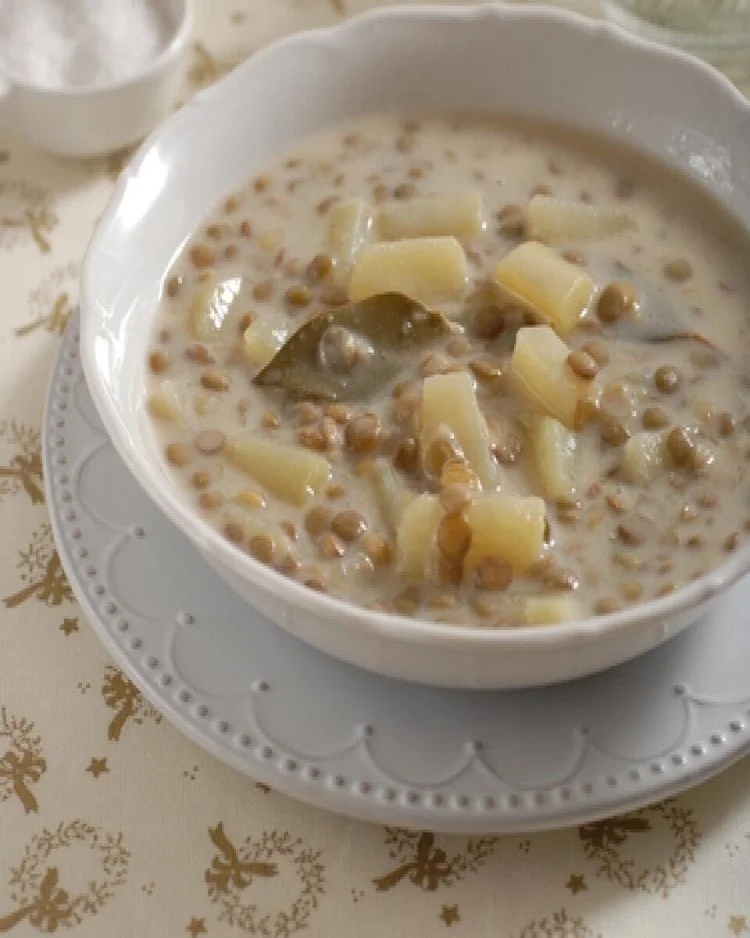
Šošovicová polievka - lentil soup
This is my favourite Slovakian dish! The main ingredients are brown lentils, mixed with cream and mushrooms. A delicious creamy soup that my grandma prepares every year for Christmas!
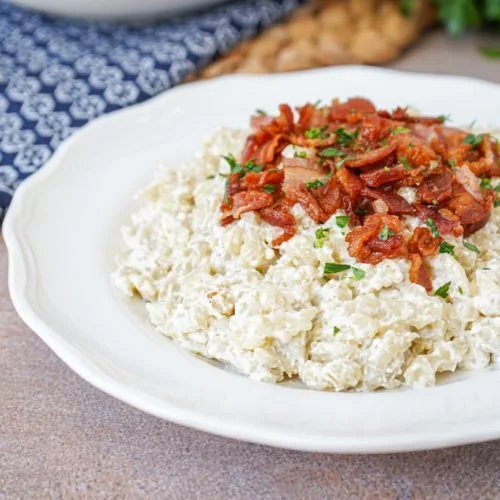
Bryndzové Halušky - potato dumplings
Bryndzové halušky consist of a wholesome combination of potato dumplings with roasted bacon and sheep’s cheese. Locals use a high-quality, soft, and creamy locally-produced sheep’s cheese, bryndza, one of Slovakia’s most beloved cheeses, and it is very much a source of national pride. Once the dumplings are filled with cheese, the dish is topped with sour cream, fried onion, spring onion, and crispy bacon pieces.
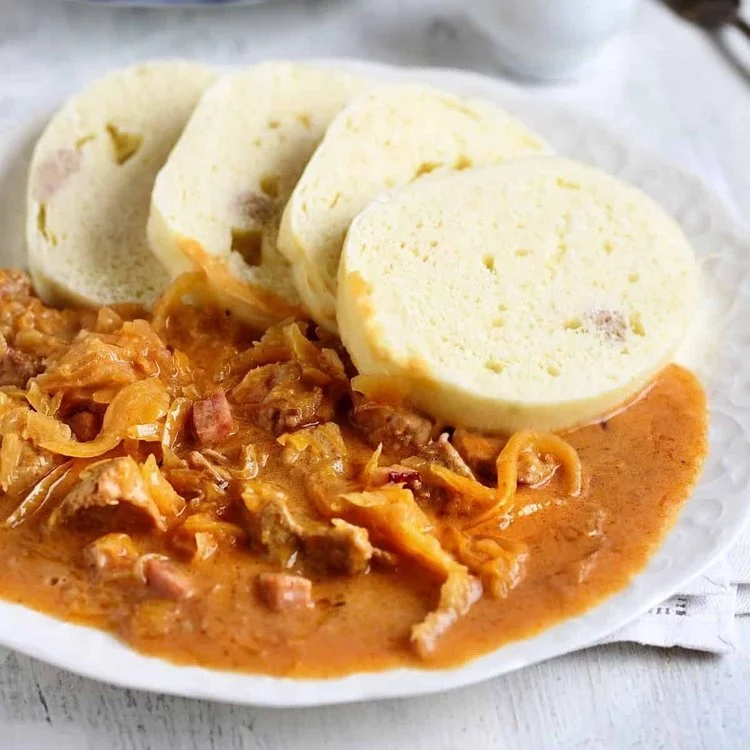
Segedin Goulash
Segedin goulash is the Slovak version of Hungarian goulash. It is the perfect combination of sour and savoury. It consists of pork shoulder chunks stewed with sauerkraut and thickened with heavy cream. The sauerkraut used in the goulash is heavily seasoned with paprika. This dish is traditionally served with dumplings, but you can also find it served with rice.
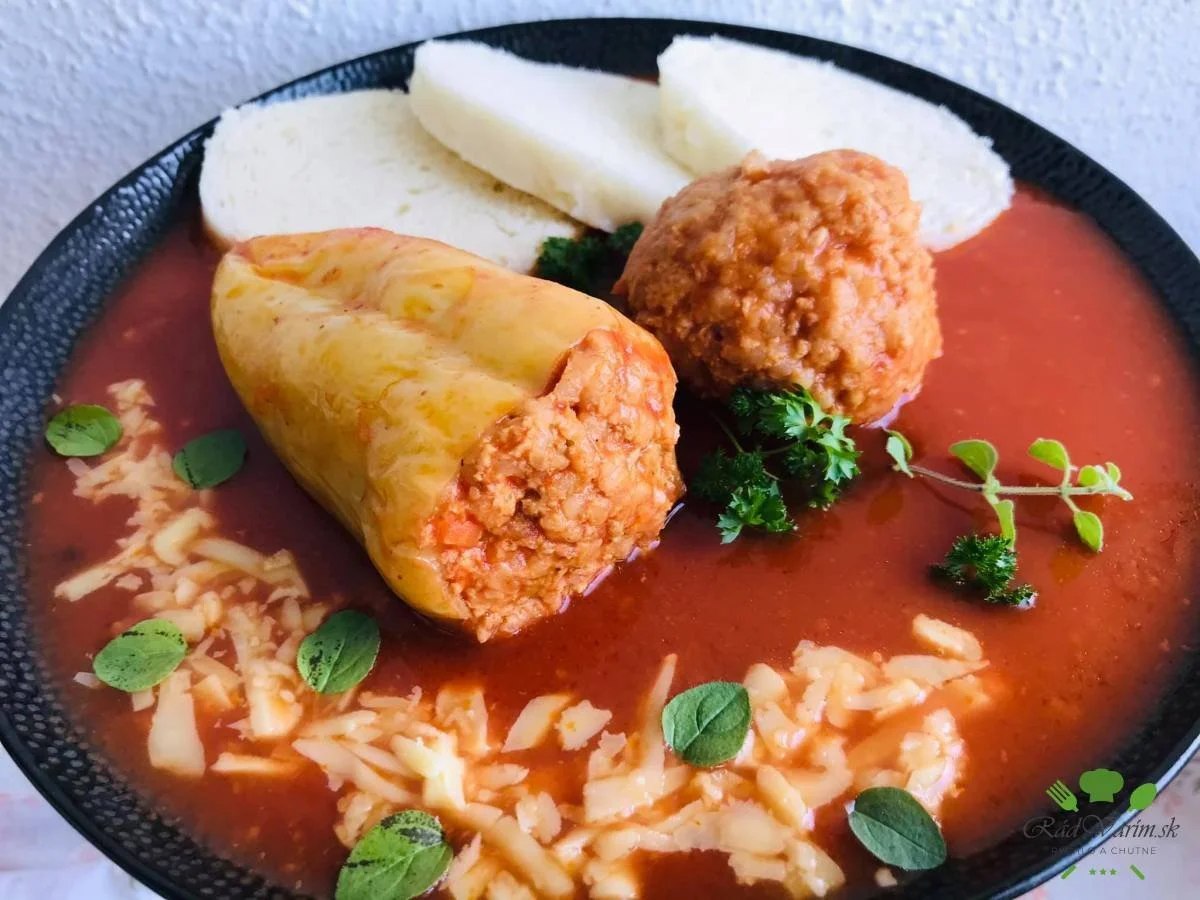
Plnená Paprika - stuffed peppers
Plnená Paprika is a traditional Slovakian food consisting of stuffed peppers, originally from Hungary. The filling is commonly cooked rice mixed with ground beef in tomato sauce.
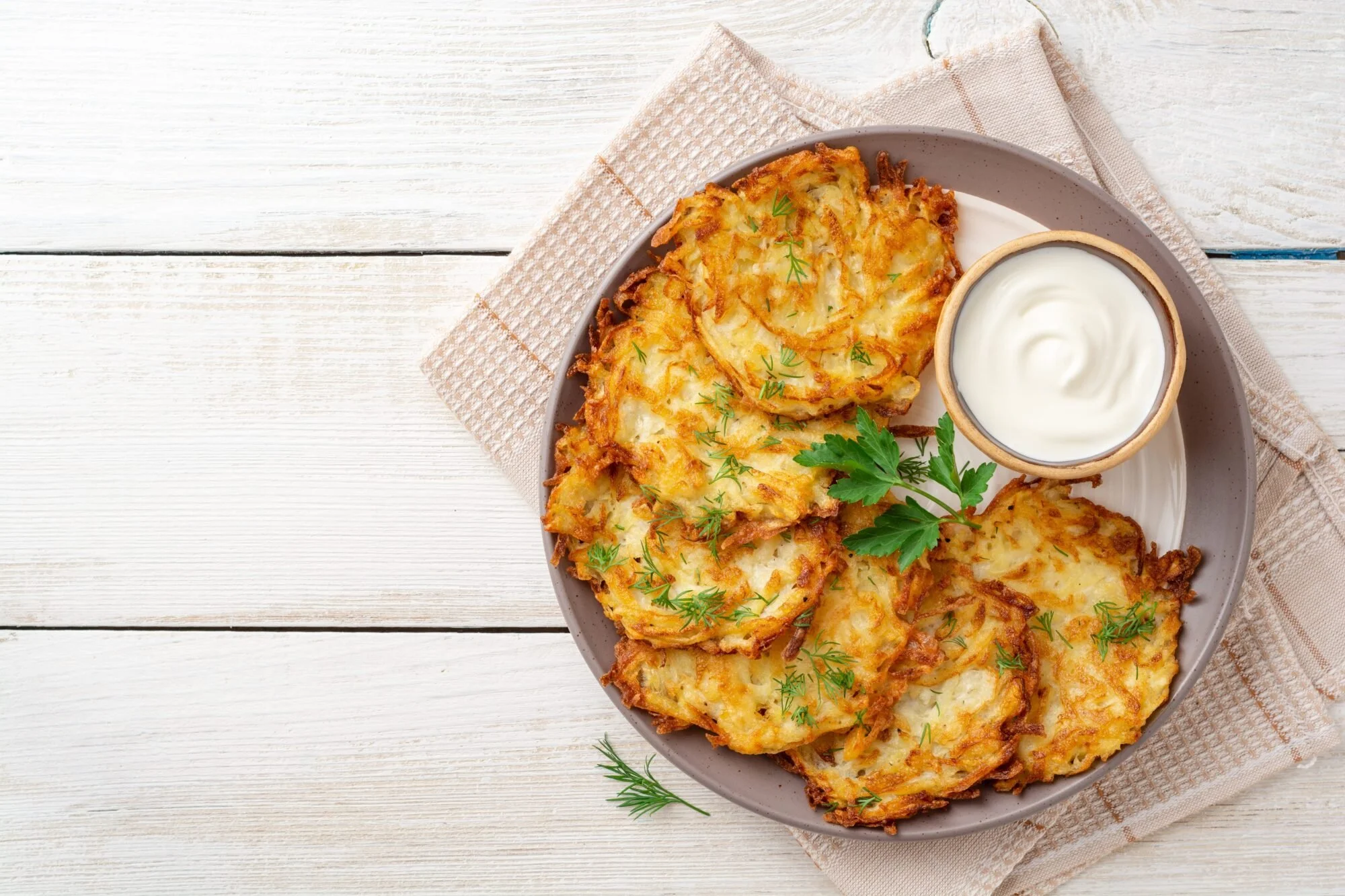
Zemiakové Placky - potato pancakes
Zemiakové placky are pancakes made of potatoes. They are excellent for dipping in soup or as a side dish to various main courses. They are made with grated potato, flour, and egg, then fried in high-quality oil and garlic. The pancakes are gooey on the inside but crunchy on the outside.
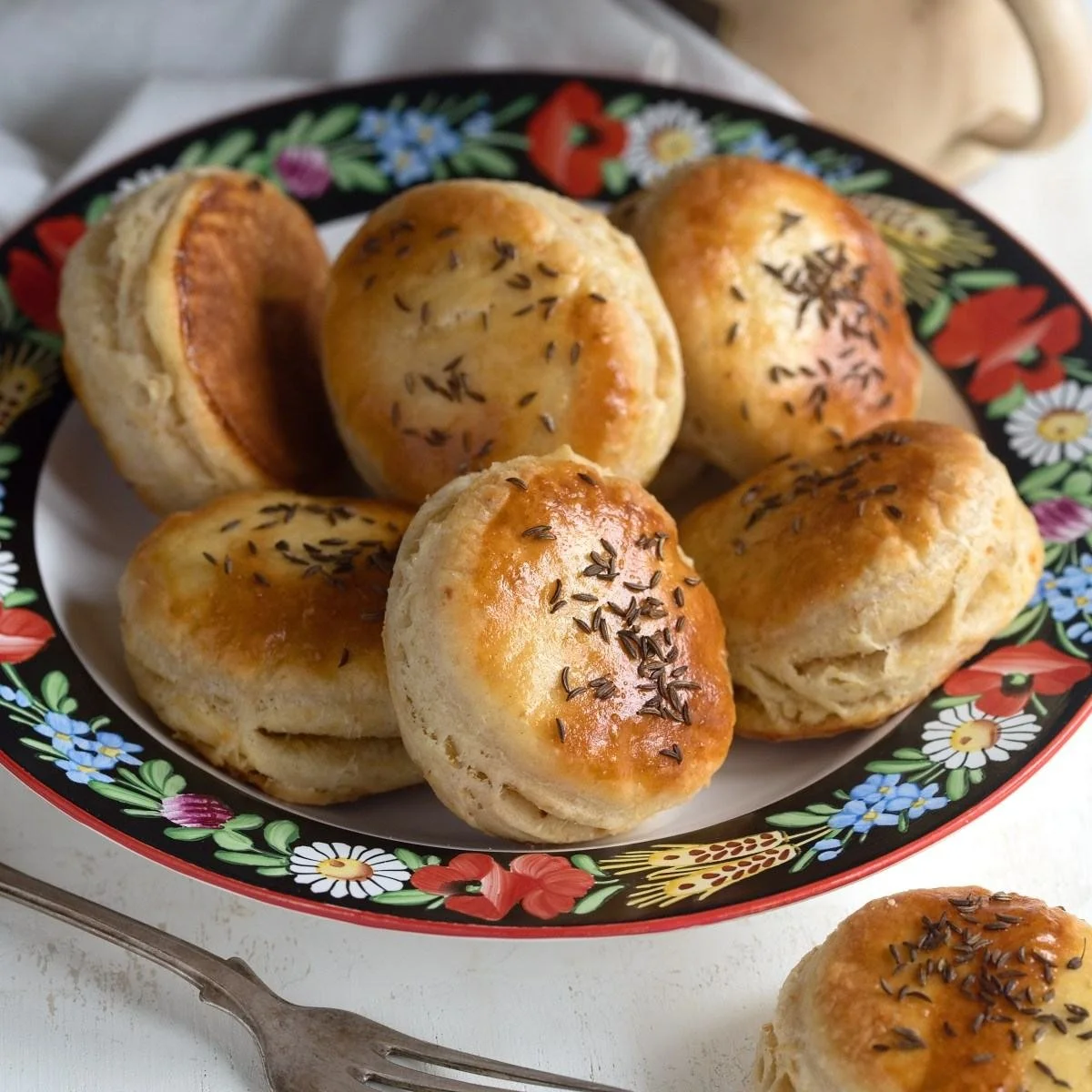
Pagáče - Slovak biscuits
These rich Slovak biscuits are different from the popular type of bread in Central Europe called pogača. These biscuits are made from leavened dough with ground crackling, but you can also find them with cheese, potatoes, or cabbage. They pair well with sour milk and make for a quick, delicious Slovakian meal that is both great to eat on the go or at home.
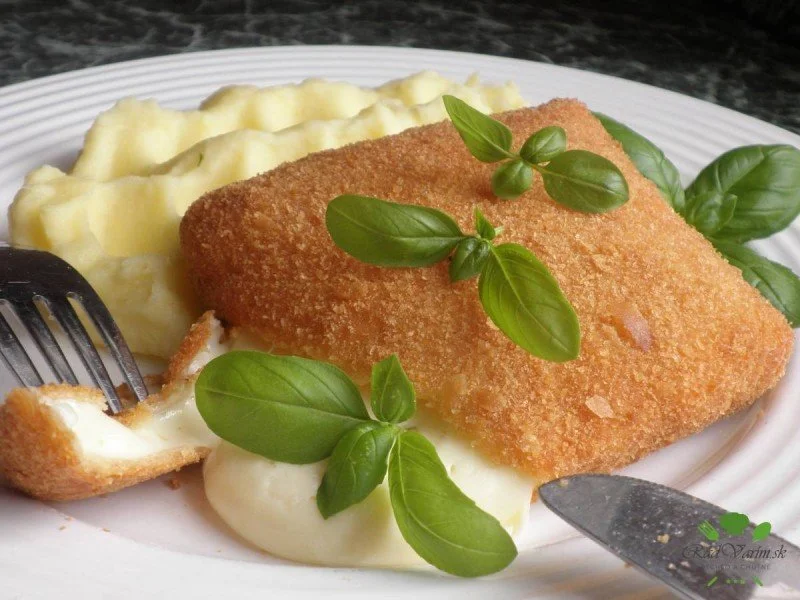
Vyprážaný Sýr - deep-fried cheese
Whatever it is, the way you tell your story online can make all the difference.
Vyprážaný sýr or deep-fried cheese is hugely popular street food. A thick slab of Emmenthal or Edam cheese is breaded with breadcrumbs, flour, and egg, and then deep-fried. It is usually served with French fries, potatoes, sliced vegetables, or a dab of tartar sauce. This dish is a perfect example of how simple yet delicious Slovakian food so often is.
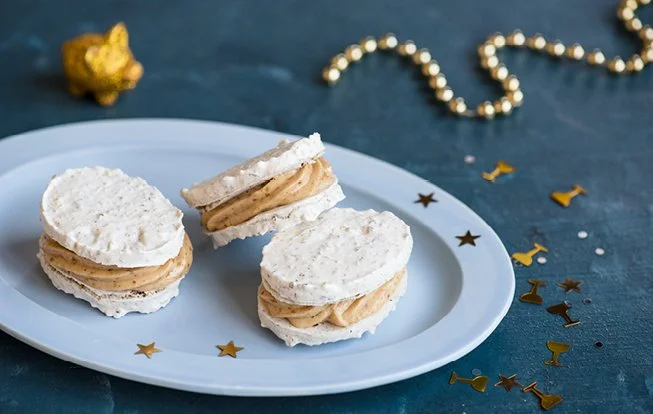
Laskonky - Slovak cookies
Whatever it is, the way you tell your story online can make all the difference.
Laskonky are traditional Slovak cookies. Each cookie consists of two meringues and a buttercream filling in between. Coconut and ground walnuts are often added to the meringue mixture. The meringue is then baked into thin, oval cookie bases. Laskonky are usually enjoyed with a cup of coffee, and they are for sure one of my favourite treats.
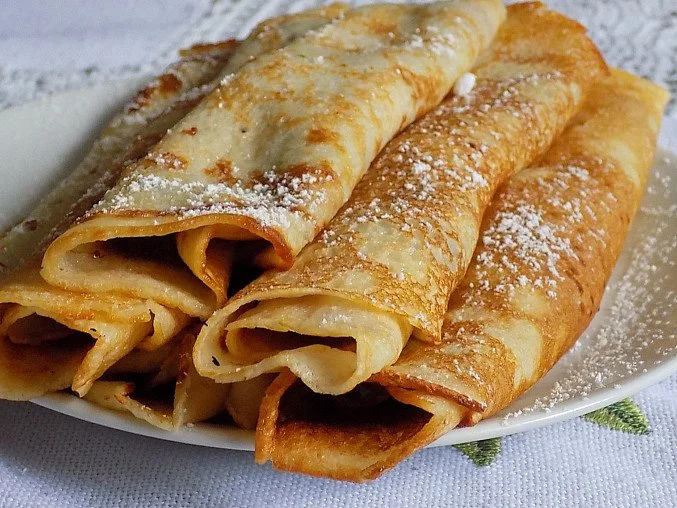
Palacinky - Slovakian crêpes
Slovenske palacinky are thin crêpes with all sorts of lovely fillings. They melt in your mouth when served warm and layered with home-made apricot jam. Strawberry jam, hazelnut spread, powdered sugar, and cinnamon are other popular accompaniments. It’s the perfect way to end a meal.
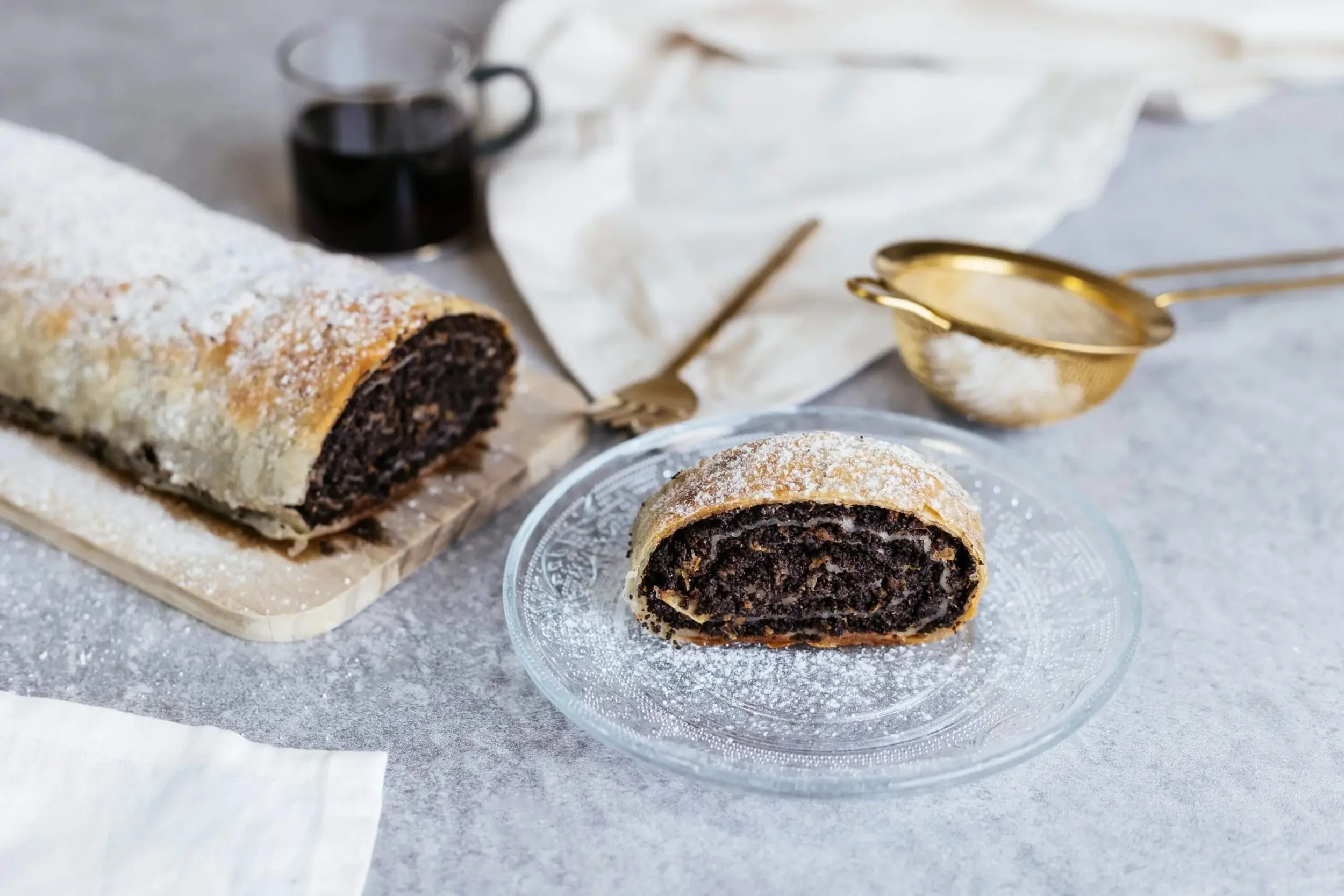
Maková štrúdľa - poppy seed strudel
The strudel roll in Slovakia was introduced during the Austro-Hungarian Empire. Today is a typical Slovak dessert that is often stuffed with baked apples and cinnamon, or poppy, and is always covered with icing sugar. I like to eat my Maková štrúdľa in the winter with a warm cup of tea.
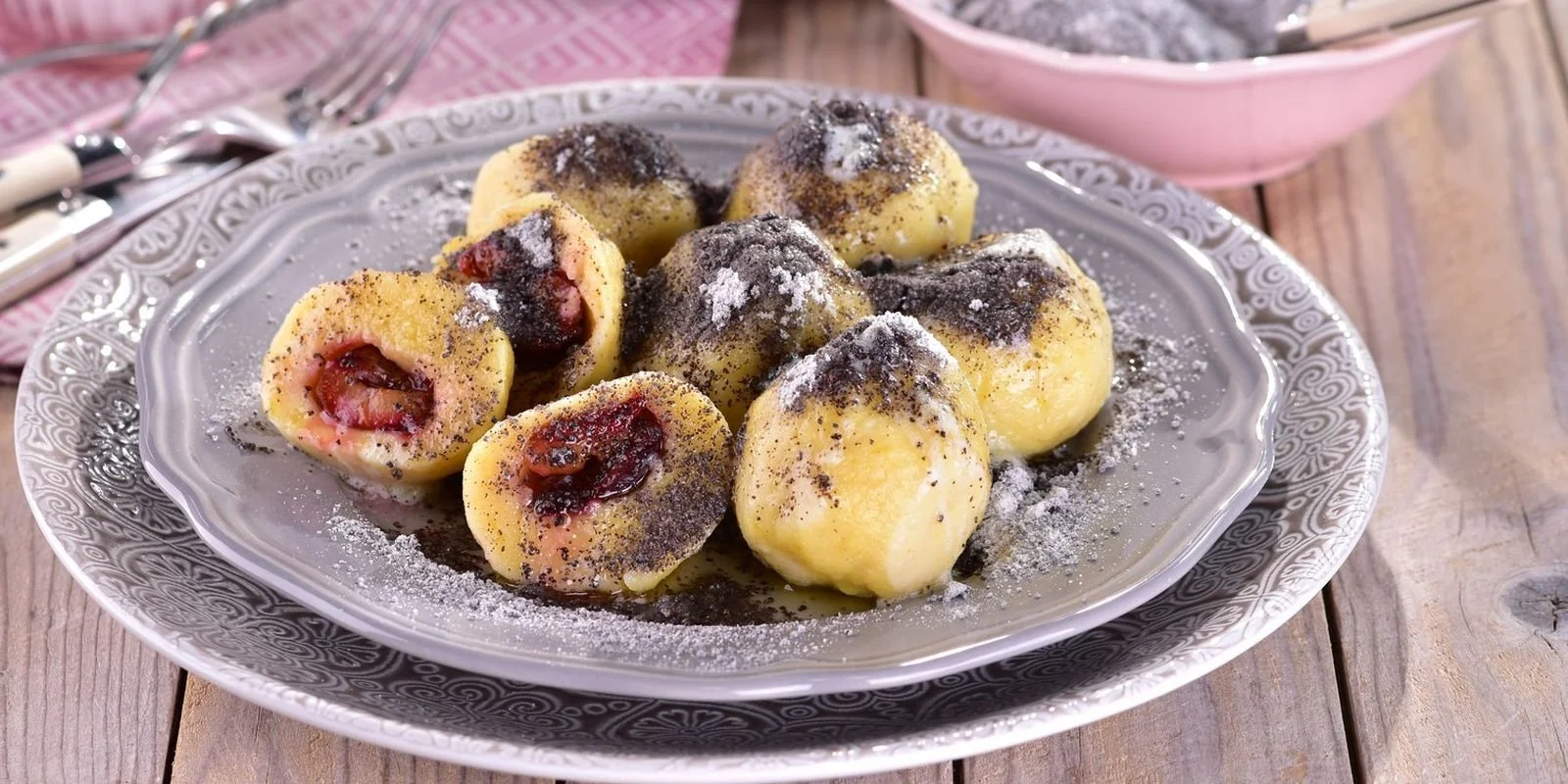
Slivkové Knedle - Plum dumplings
The Slivkové Knedle are dumplings made with boiled potatoes, flour, egg, and salt, stuffed with fresh plums and shaped into balls. The Slivkové Knedle are boiled and then usually served with melted butter and breadcrumbs.
6) LEARN SOME SLOVAK VOCABULARY
Even though most of the younger generations in Slovakia speak good English, it is always nice to know a few basic words when travelling to a country, whilst diving deeper into the culture and connecting with some locals.
Here are some sentences that will help you for your next trip to Slovakia:
How to greet?
Ahoj - Hello
Dobrý deň - Hello (more formal)
dobrý večer - good evening
ĎAKUJEM - THANK YOU
prosím - PLEASE or You’re welcome
HOW TO ORDER DRINKS & FOOD?
môžem..? - can i have..?
jedno pivo - one beer
červené víno - red wine
biele víno - white wine
na zdravie - cheers
účet, prosím – The bill, please
veľmi dobre - very good
Thank you for reading this post! You can find more destinations in the 'TRAVEL GUIDES' section above.