

Gjesvær, the hidden gem of the North Cape

My favourite place in the summer season in the North Cape municipality is Gjesvaer — a hidden gem on the island of Magerøya. Besides being the best spot for seeing the midnight sun season, it is also a peaceful place ideal for nature lovers.
The fishing village is known for its beautiful Islands and crystal clear waters, and there are many activities you can do to enjoy this beautiful piece of paradise.
Why should you visit Gjesvær?
Gjesvær is considered a hidden gem in the Arctic. The fishing village with 80 inhabitants gets outshone by a more popular place - the North Cape. Tourists go straight to see the 'globe' - representing the Northernmost point of continental Europe, and they forget to venture into the beautiful surroundings of Mageroya's Island.
Gjesvær is a very special place to me because I used to live there for 7 months.
Despite its remote location, I never got bored. There are many hikes that you can do in the summer; nature is wild and untouched, with spectacular views overlooking the sea. Is the only fishing village on the Island with a small grocery shop and even a café where the local community gets together.
Best time to visit Gjesvær
I recommend visiting Gjesvaer during the summer season, from mid-May until mid-September. If you want to go during the winter season, expect bad weather and many snowstorms. Often, the roads are closed in the winter due to the strong wind gusts and snow on the roads.
ACTIVITIES IN GJESVæR
Paddleboarding & Kayaking
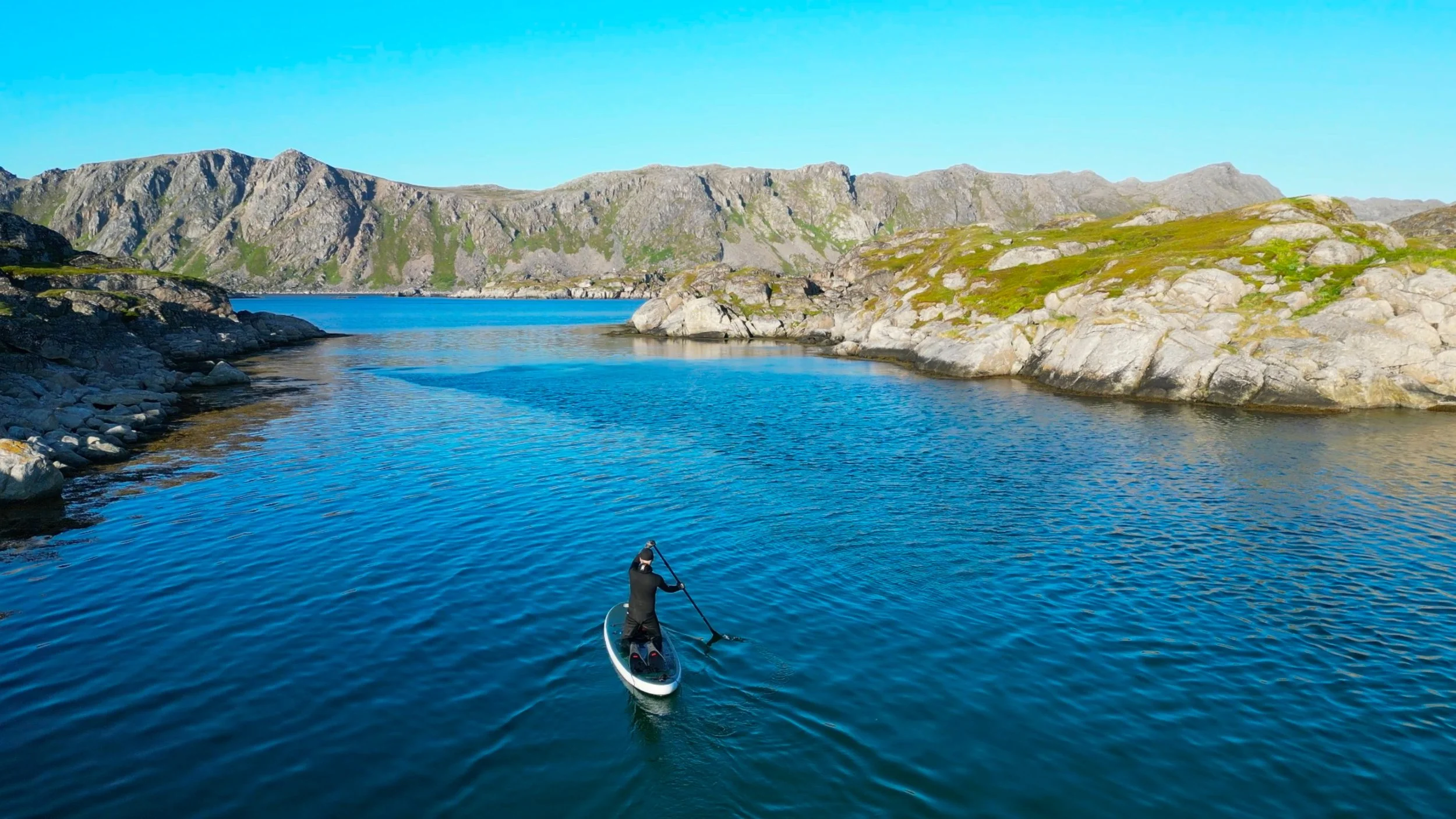
The fishing village is known for its beautiful Islands and crystal clear waters. While I was living in Gjesvær, I bought a paddleboard and explored the small islands.
Many tourists also rent out Kayaks or small boats to go fishing. Just be careful not to fall into the water; it can be pretty cold, 3 °C in the winter, and 9 °C during the summer.
Bird Safari Tour

You cannot come to Gjevaer and not do the bird safari tour! The two-hour-long boat tour leaves from Gjesvær to Gjesværstappan — a Nature Reserve where you can observe one of Norway’s largest bird colonies.
From mid-April until the end of August, this place is the nesting ground for many species of birds: more than 400.000 pairs of puffins that are easily recognisable by their colourful beak and nesting holes in the grassy hills.
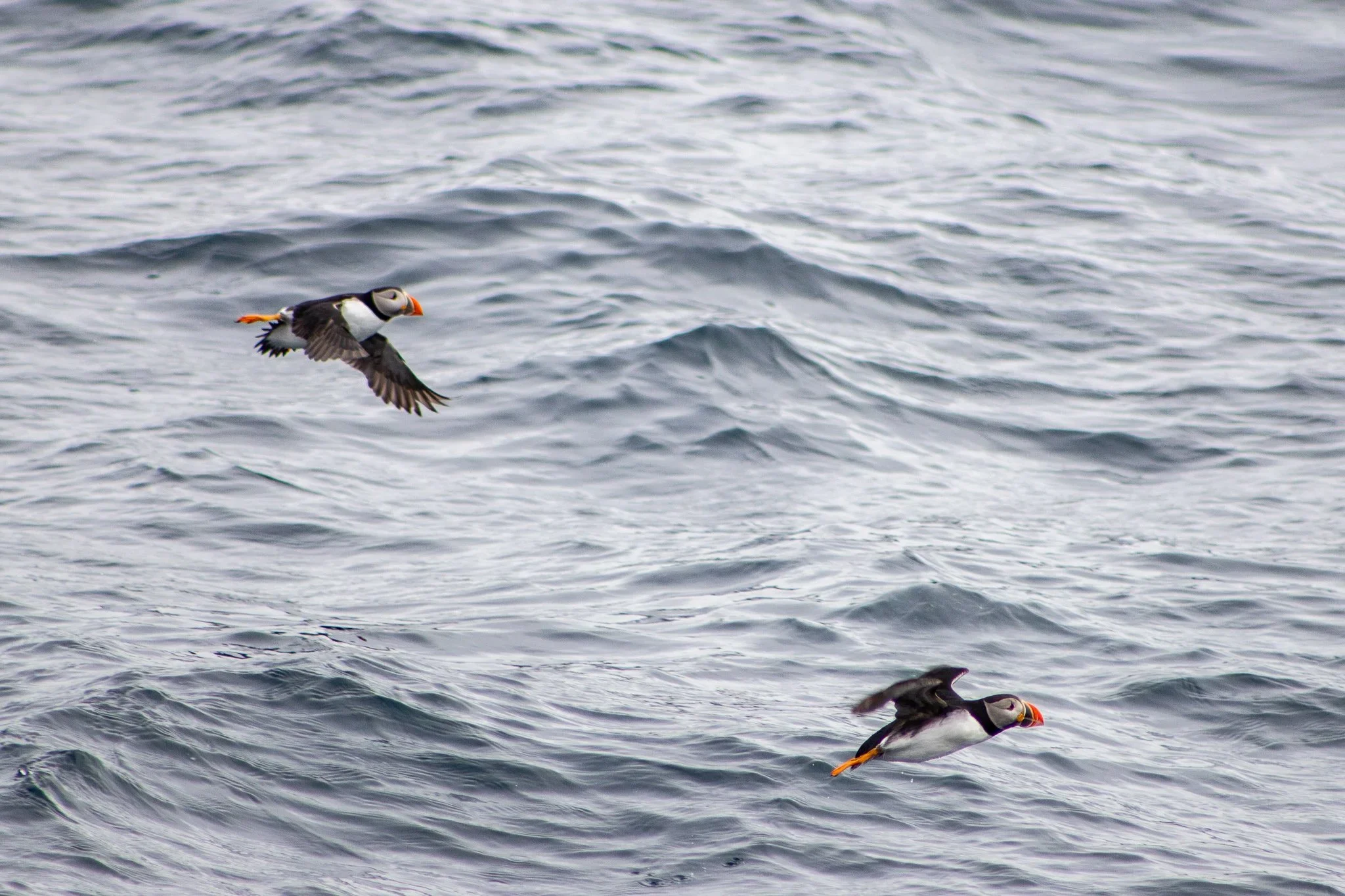
You can also spot many eagles, mostly white-tailed eagles and some golden eagles, while they are hunting for their prey. It’s also possible to see many Guillemots, Razorbills, Cormorants, Arctic Skuas and gannets doing a plunge-dive to catch fish.
You don’t need to be a bird fanatic to visit Gjesvaerstappan; this tour provides incredible views of the surrounding nature, and sometimes we also see many grey seals swimming by the boat.

HIKING IN GJESVAER
There are plenty of hikes to do in Gjesvaer, and the scenic view never disappoints!
Hike to Lysøynæringen Viewpoint
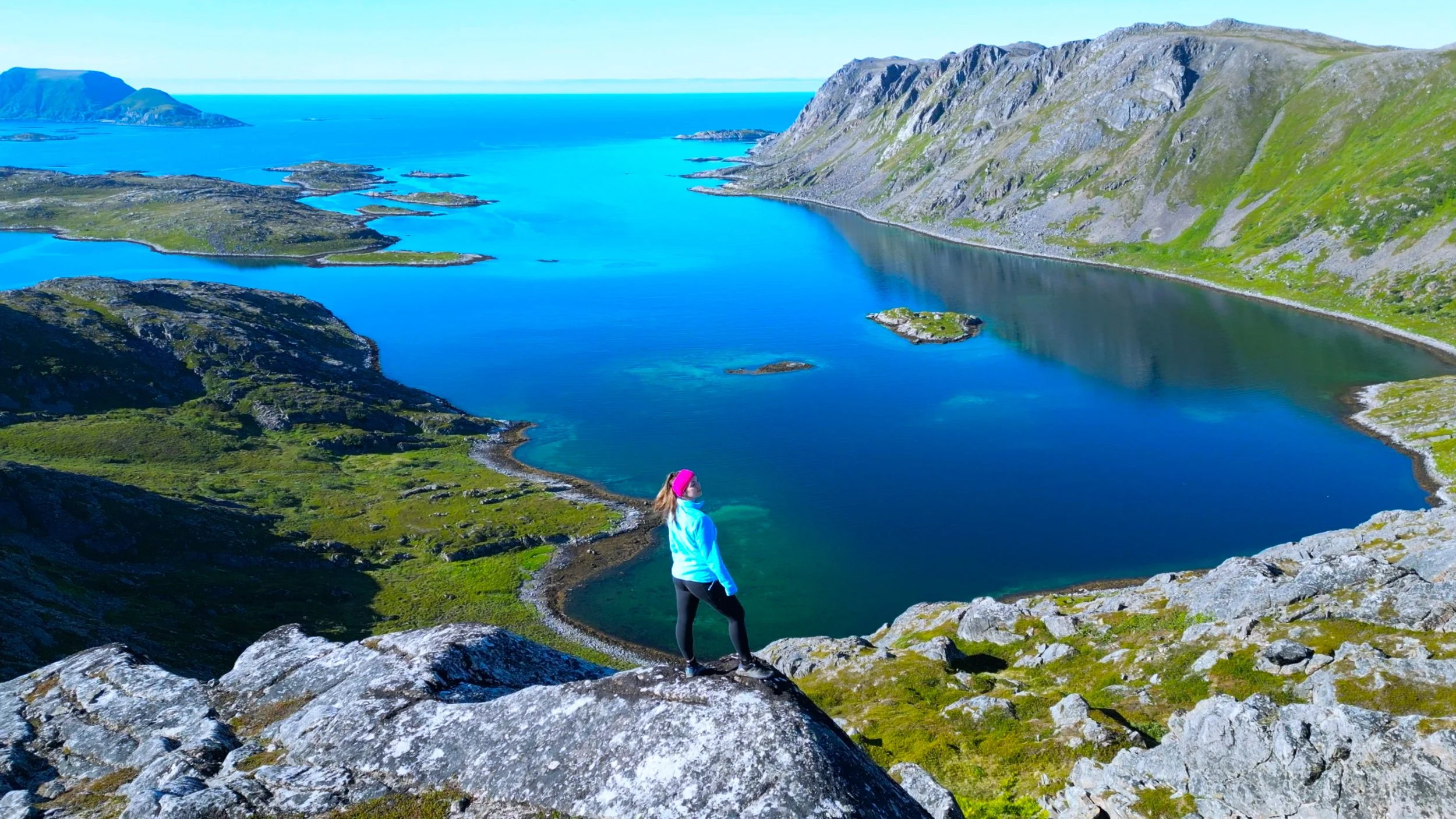
The trip starts 6 km before reaching the fishing village of Gjesvær. At the beginning of the trail, there is a small sign with a big red T that marks the starting point.
The distance is about 4.4 km, and it takes 1.5 hours to reach the viewpoint. Click here if you want to check the Norwegian hiking map. I like to call this hike, ‘‘the secret Lofoten of Magerøya’’, thanks to its dramatic landscape similar to the Lofoten Islands, just with no mass tourism. Upon arrival at the viewpoint, you can also find a visitor book hidden inside a mailbox, where you can sign up with your name and date, and leave your mark in Gjesvær.
Camp at Lilletuva Viewpoint with the midnight sun
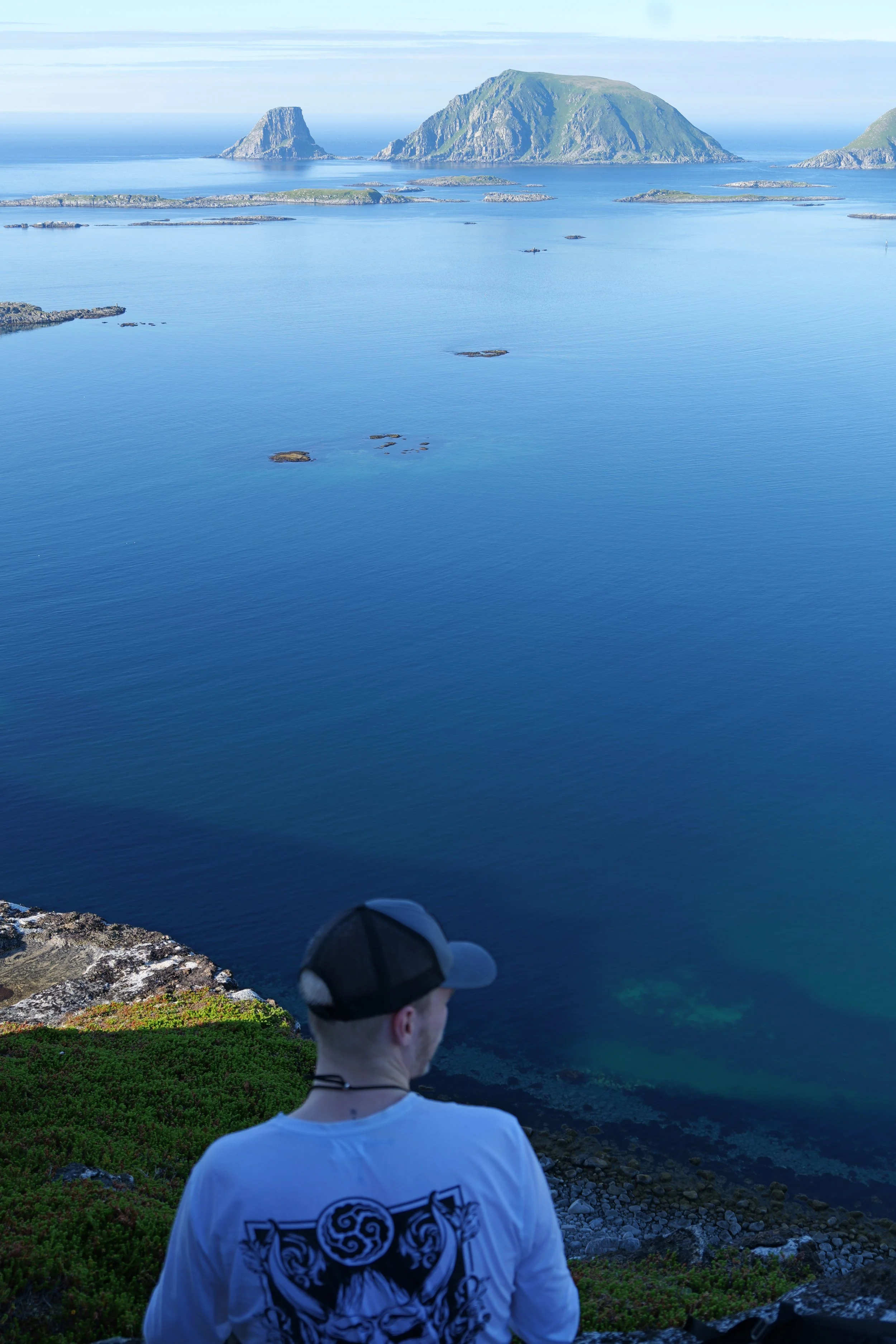
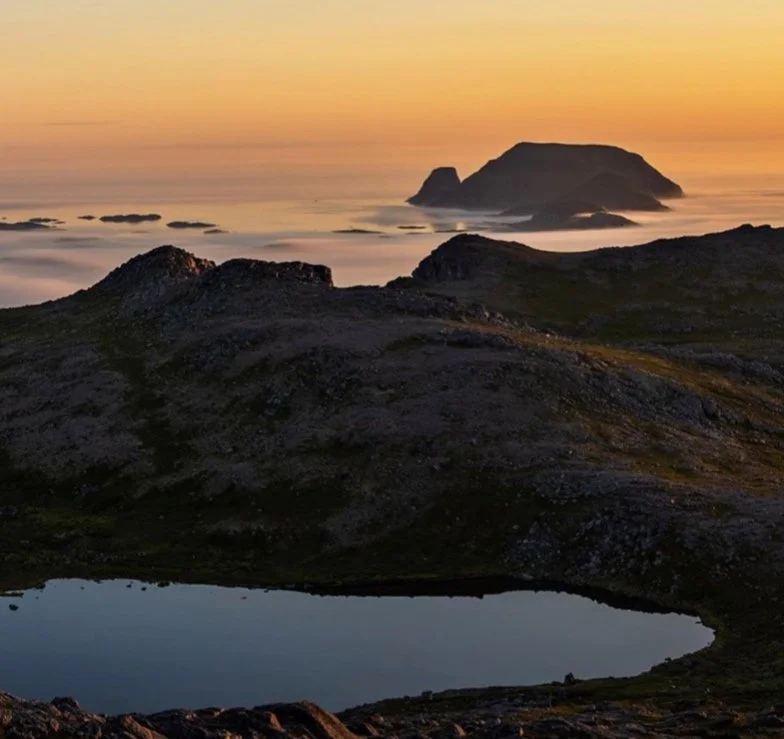
The Gjesvær area is the best place on the island to admire the midnight sun season, and what better way to do it than from your camping tent! To reach the viewpoint, the hike starts just before the village of Gjesvær. You will find the beginning of the trail marked, next to a red house, before the little bridge that connects to the village of Gjesvaer. The trail is marked with the red T symbol written on a stone and a clear sign for Lilletuva's viewpoint. The hike takes one hour (one way), and once you reach the viewpoint, you can enjoy the magnificent views of Måsøy, Hjelmesøy, and the Nature Reserve of Gjesværstappan.
Midnight sun season

There is no secret that the population on Magerøya wakes up to life when the most breathtaking summer nights brighten up the island. In the North Cape municipality, the sun stays shining in the sky for over 1,800 hours without setting. Gjesvear is one of the best places on the island to see when this phenomenon occurs — the 14th of May (but it is always good to check every year the exact date, because it changes) — you can see how the sun touches the sea, then it changes idea, and it comes back high in the sky. If you are lucky enough to have a clear day, you will experience this unique phenomenon and see the bright light of the sun changing into purple-red. The midnight sun season ends on the 29th of July on the Island of Magerøya.
August is when we get our sunsets back, and it’s also the best time to take some scenic pictures of the fjords with the red sky!
Reindeer
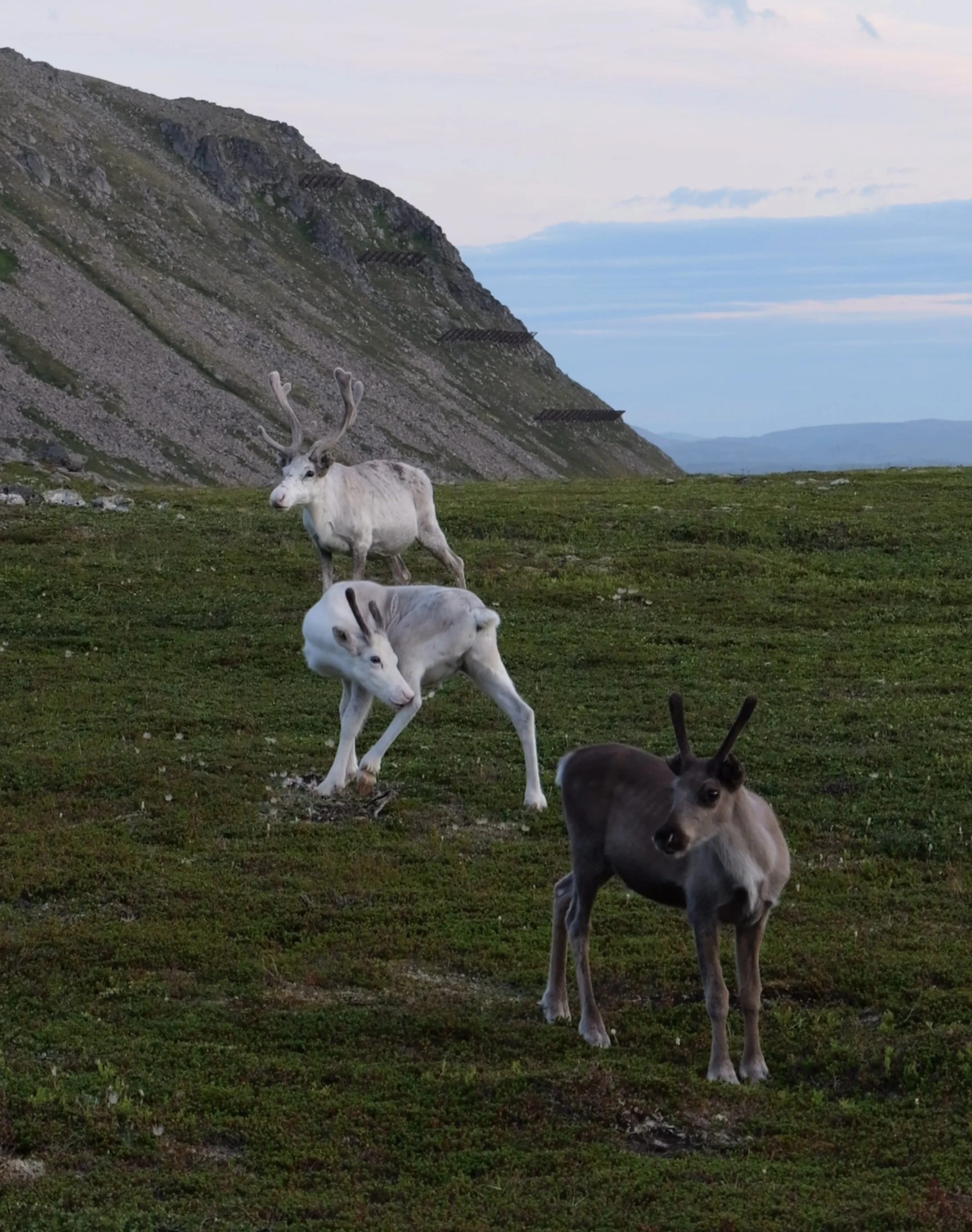
Another reason to come to Gjesvær during the summer is for the reindeer. On the Island of Magerøya, there are 6000 domesticated reindeer by the Sami people (the local indigenous population). They arrive on Magerøya at the end of April, transported with a ferry by the Sami, and after the summer — in October — they have enough fat and energy, and they can swim in the sea for 2 km, back on the mainland of Norway, where they spend the winter season. In the summer, they eat moss and lichen, and they have to move to the mainland for the winter period, due to the stormy weather that we have on the island, which is too extreme even for the reindeer.
Don’t be surprised if you spot some reindeer walking inside the tunnel, they usually hide to cool from the ‘heat’ of the summer months.
In Norway, there are 70.000 wild reindeer, and you can find them on the Archipelago of Svalbard and in Hardangervidda — the biggest National Park of Norway, between Oslo and Bergen.
Discover more about the Sami culture
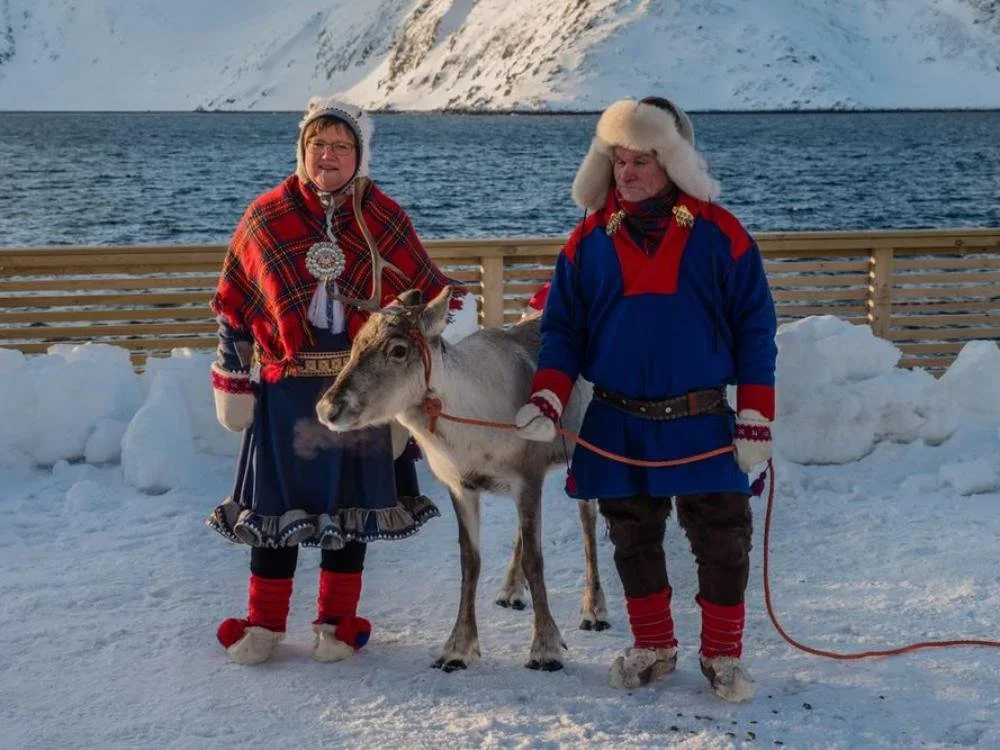
The Sami are the indigenous population of the North. Today, Sami are living in Norway, Sweden, Finland, and the Kola Peninsula of Russia. There are also people in North America (Canada-Alaska) who share the Sami culture and heritage from the Arctic and sub-arctic regions of Scandinavia. In Norway, there are approximately 50.000 Sami, and we have 6 Sami families living on the Island of Magerøya. Some of them still dress in the traditional clothes of the Sami culture, and they speak the Sami language at home, which is very different from Norwegian. In fact, the Sami language belongs to the Uralic languages, like Finnish, Hungarian, and Estonian.
It is very important not to call the Sami people — Lapps, because it was used as an offensive word in the past, meaning poverty.
The Sami on this Island own a souvenir shop, and some live with the reindeer herding tradition. In Norway, just Sami are allowed to have reindeer, unlike in Finland, where anyone can breed them.
If you are ever gonna meet the Sami people on the island, try to discover more about their culture. The only thing that you should never ask them is how many reindeer they have, because it is private information, like asking ‘‘how much money do you have in your bank account?’’ — It can be perceived as disrespectful.
Local food
The fishing industry is the main industry on the Island. In this area of Norway, we can find cod, king crab, halibut, pollock, and salmon. Expect a lot of fish in the Norwegian diet. If you are travelling in Northern Norway, I recommend trying:
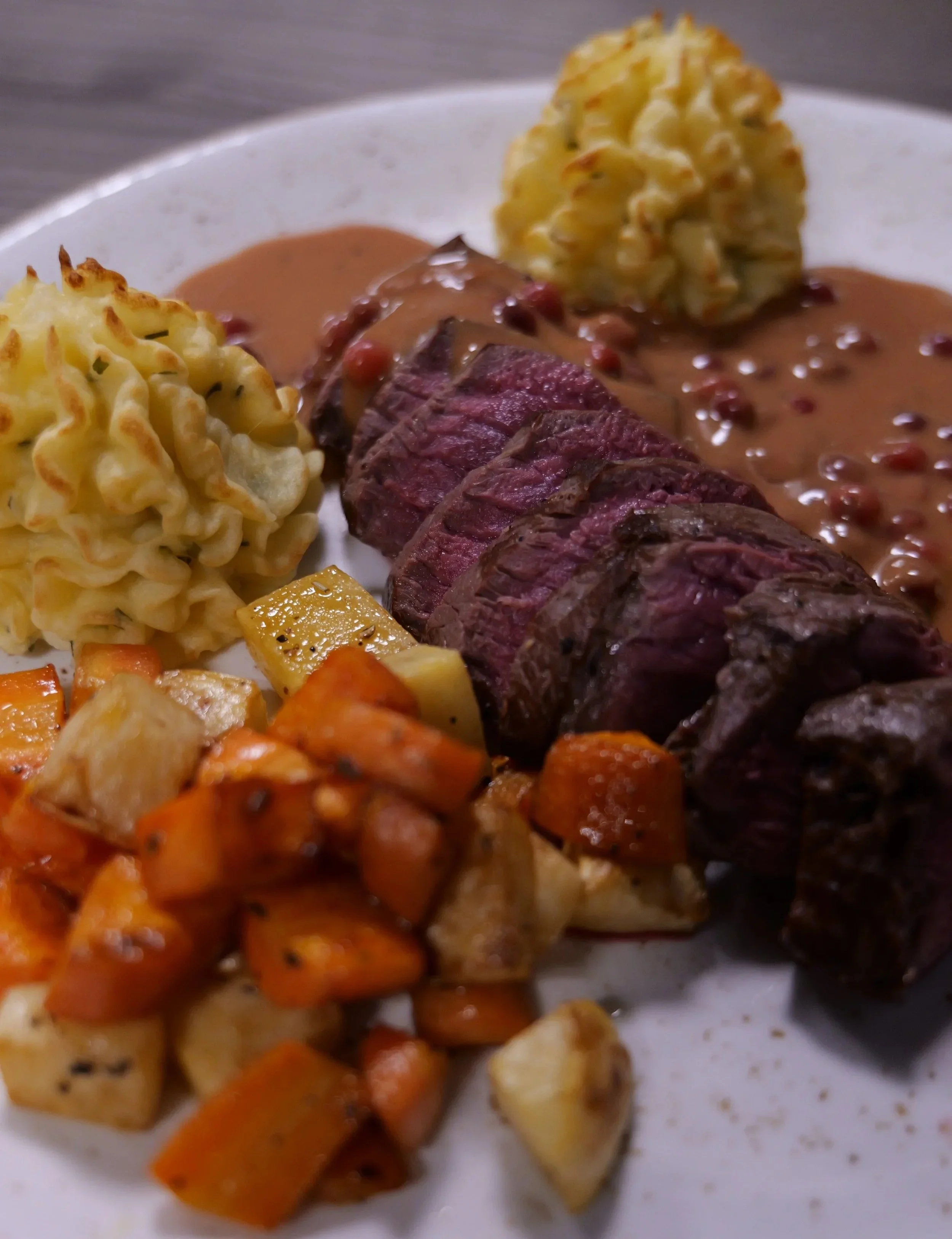
Reindeer Filet
Norwegians like their reindeer cooked into a hearty stew called finnbiff, or a reindeer roast that is topped with thick gravy and served with lingonberry jam.
Expect the lean meat to have a rich, gamey flavour.
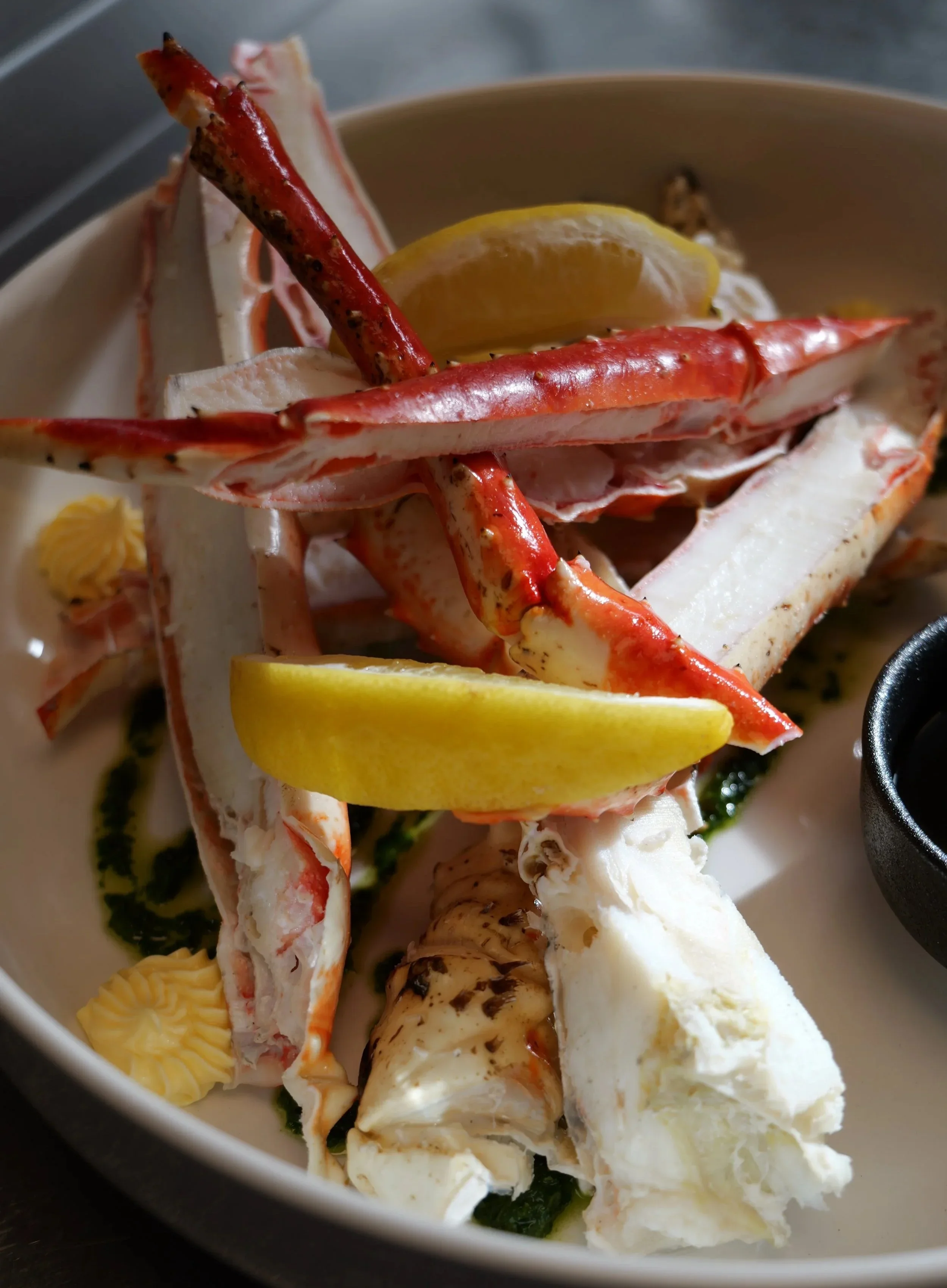
King Crab
King Crab is a delicacy in Northern Norway.
You don’t have to feel bad when you eat king crabs, because they have no predators; there are too many King Crabs living in the Barents Sea. They are originally from Kamchatka, Russia, and they arrived in Norway at the end of the ’80s. In Norway, they have been fishing commercially for King Crabs since 2001, and today, 1 kg is sold for €50 ($54).
The King Crab gets cooked in the boiling water that they take from the sea. There is no need to add any seasoning, because it’s naturally rich in flavour. It gets served with the typical white Norwegian bread and mayonnaise. This recipe is so simple, but delicious at the same time, that you are going to be surprised by the rich flavours.
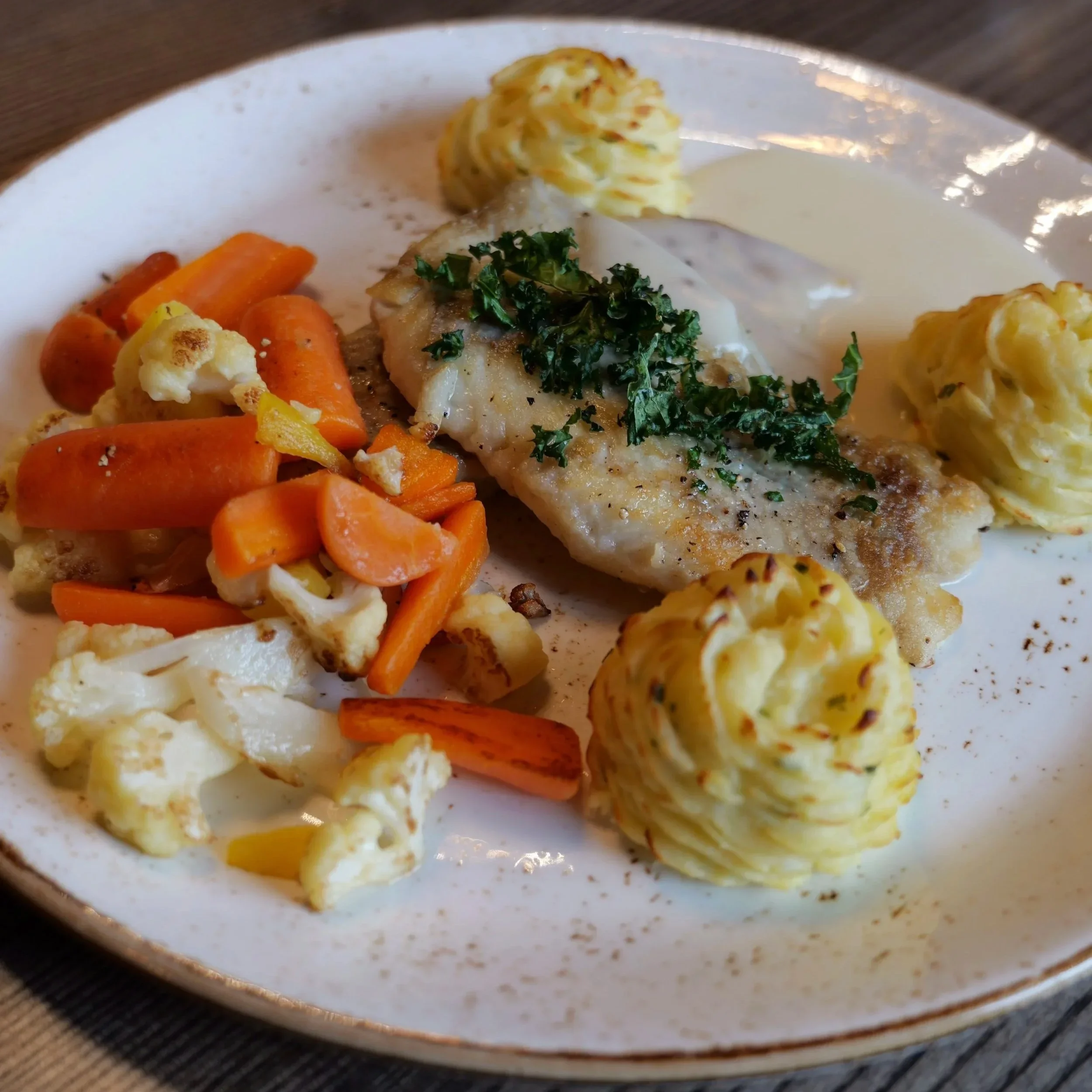
Fried Cod
Cod fishing on Magerøya’s Island is bigger than the salmon industry.
You definitely have to try the fried cod if you come here. Usually, it gets served with mashed potatoes or fried vegetables.
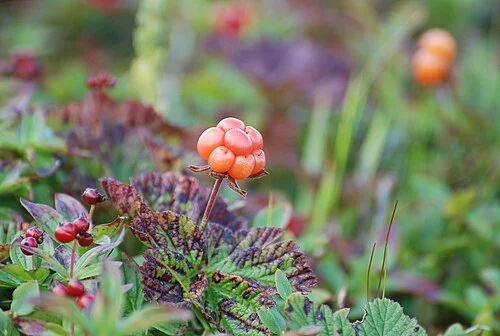
Cloudberries
Cloudberries are the typical fruits growing in the Arctic Regions.
Cloudberries grow on the island during the summer season, and we collect them from August until the beginning of September. They are very rich in vitamins and antioxidants.
They are often used in desserts — it’s very common for locals to prepare the cloudberry sauce, which you can add, for example, to the ice cream, or with a parfait.
You should definitely try the Norwegian waffles, with brown cheese and cloudberry jam.
Stockfish
Stockfish is unsalted fish, dried by cold air and wind, on wooden racks on the foreshore. These wooden racks are called “Hjell” in Norwegian. The drying of the food is the world’s oldest known preservation method. It’s cheap and effective, and dried fish can be stored for several years. The stockfish racks can be found in many different locations across the island; there are also some in Gjesvær.
Thank you for reading this post! You can find more about NORWAY in the Travel section above.