The Dolomites OFF-Season: Is it Actually Worth it?
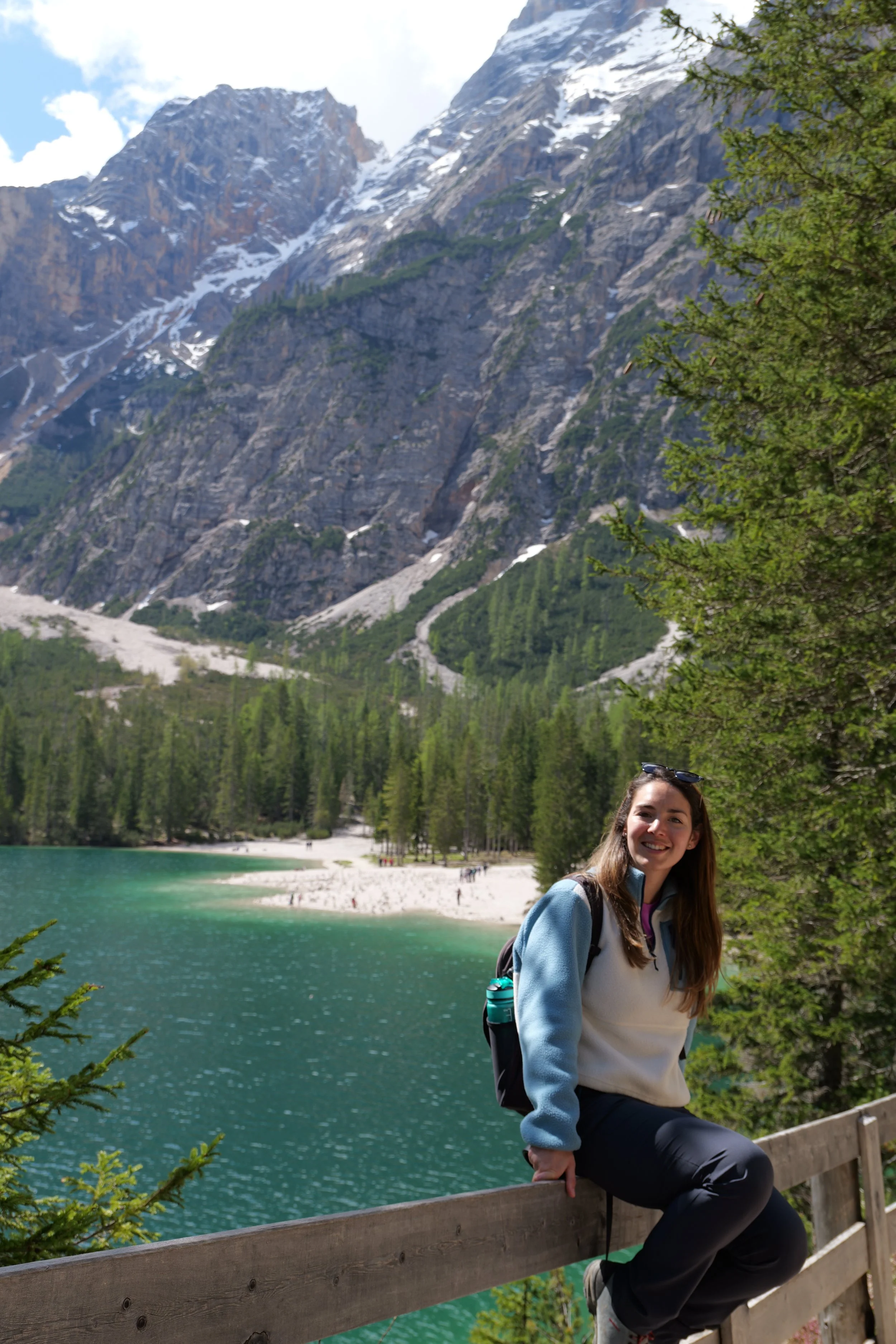
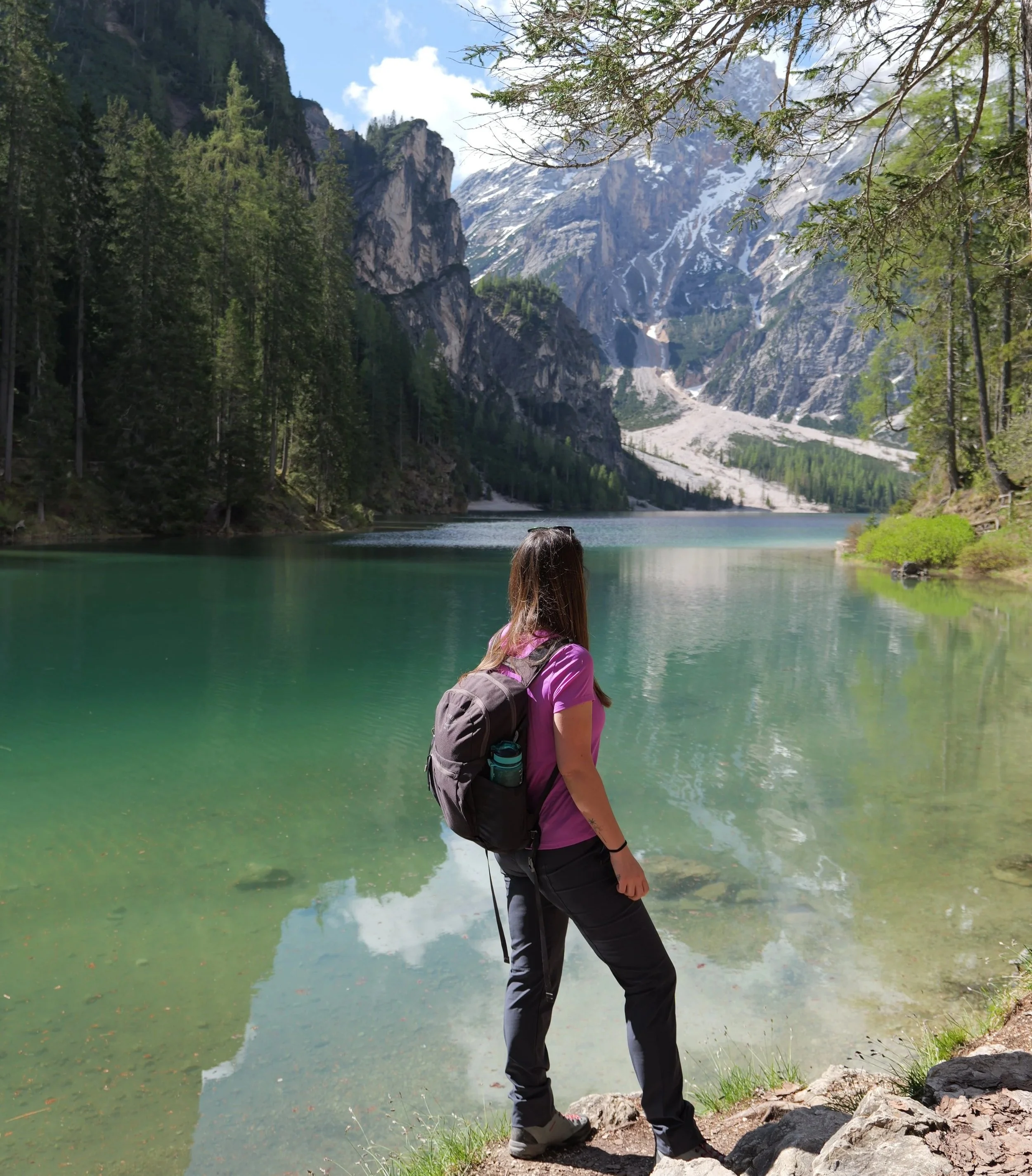
In May, I travelled to the Dolomites to visit my family and enjoy the arrival of spring.
In this post, you will get an idea of what the Dolomites look like in spring during the off-season and what to expect if you want to visit South Tyrol at this time of year.
WHEN IS THE OFF-SEASON?
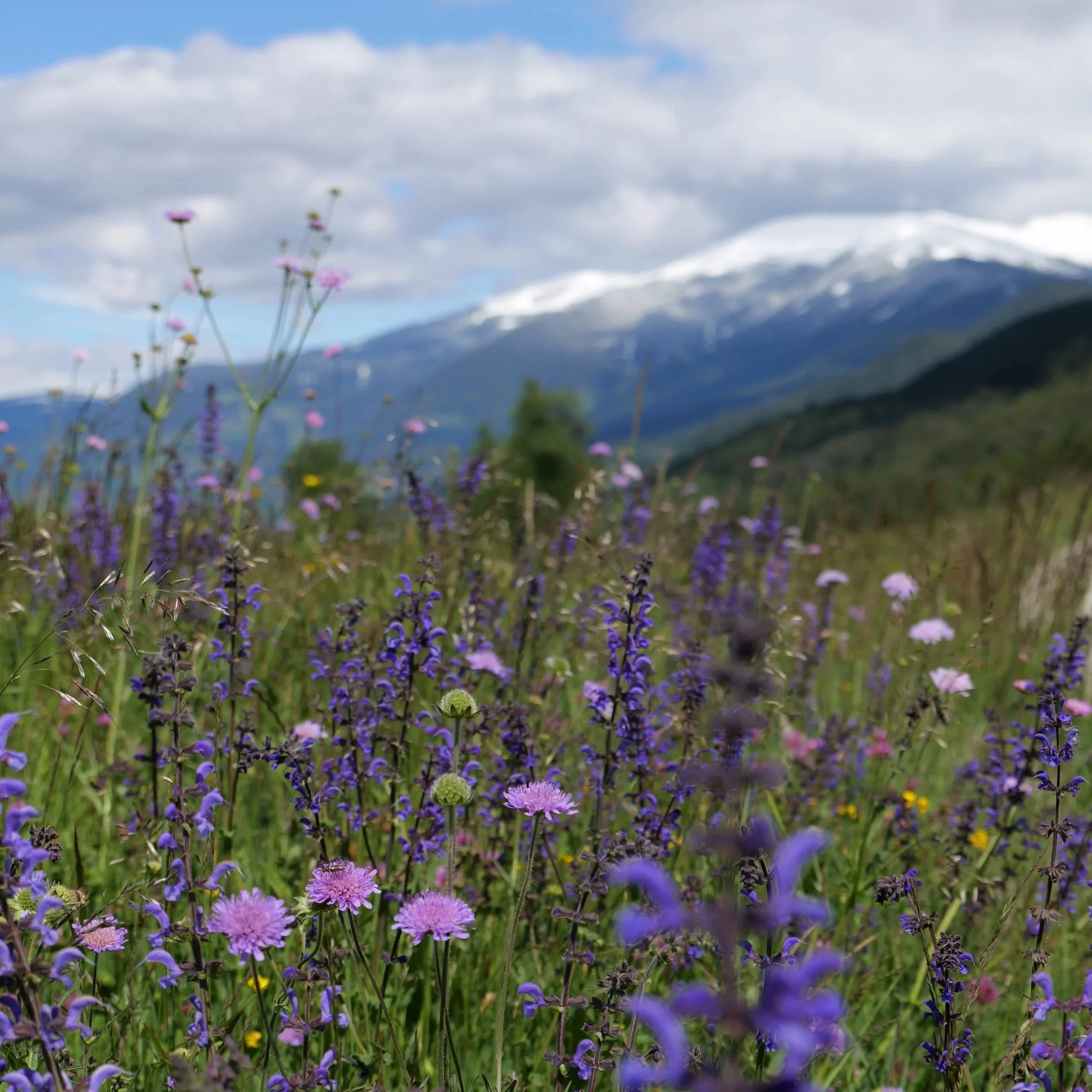
The off-season in the Dolomites runs from April to May and from October to November.
During this time, everything slows down; villages are quieter, with fewer tourists and a more relaxed, local rhythm of life.
Spring in the Dolomites is a transitional, slightly unpredictable season—but that’s part of its charm. Days get longer and milder, with cool mornings and evenings; you can have bright sun, sudden showers, and the occasional late snowfall in the same week.
MY FAVOURITE OFF-SEASON HIKES
HIKING TO ‘RIFUGIO FIRENZE’
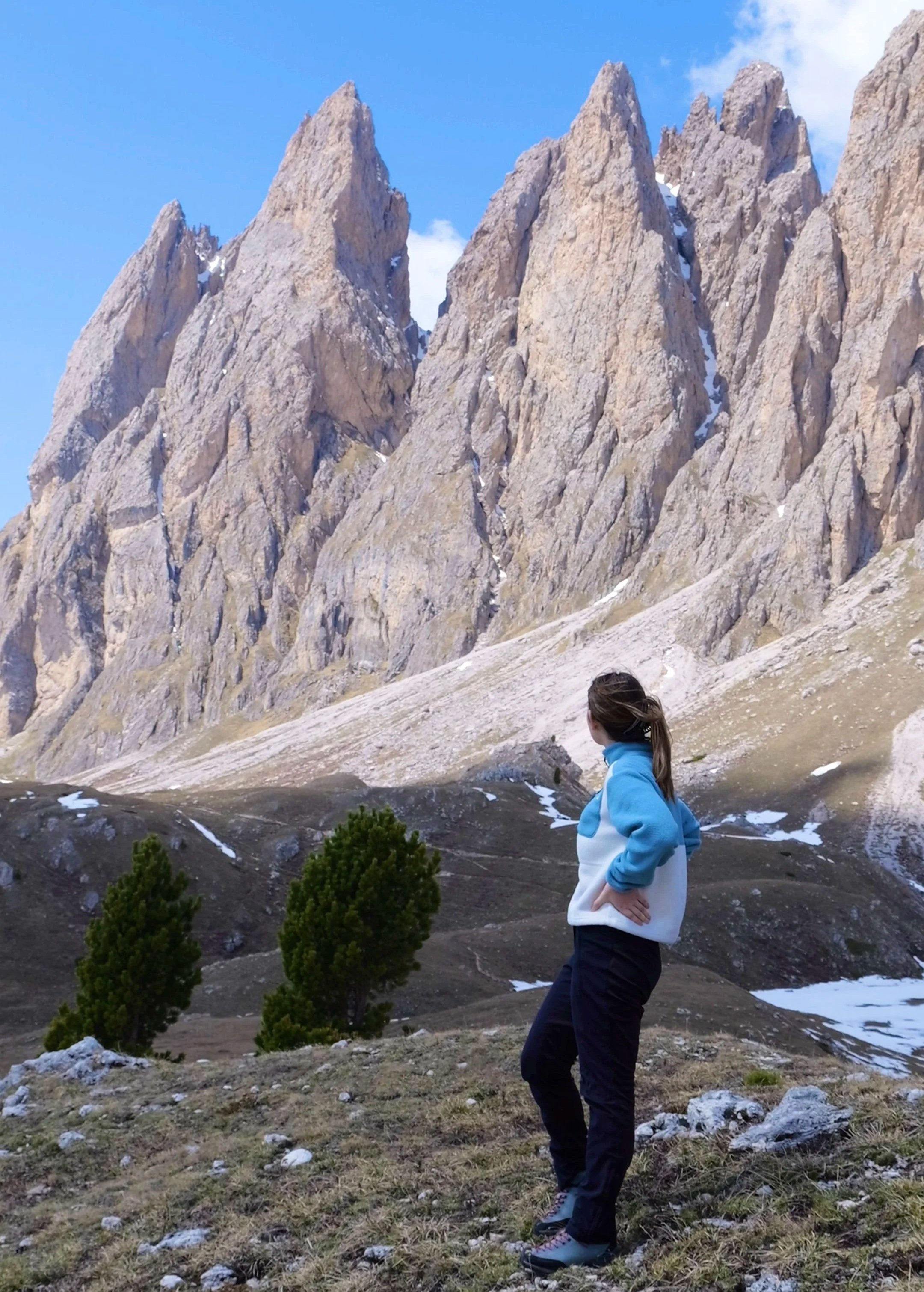
One of my favourite spring hikes starts in Selva, the highest village in the Gardena Valley.
The hike covers 15 km with more than 800 meters of elevation gain, and the first two hours are mostly uphill.
May is still not the ideal time to hike in the Dolomites. The high peaks are often dusted with snow, some passes remain closed, and many mountain huts will not open until June. However, lower-altitude trails through meadows and forests are easy to access, offering gentle day hikes, great photography, and a chance to get a feel for spring in the mountains.
You’ll encounter far fewer people than in summer, often feeling that you have the trail almost to yourself.
Curious marmots came surprisingly close — a rare sight in summer, when the area is much busier. After their long hibernation, they were bursting with energy.
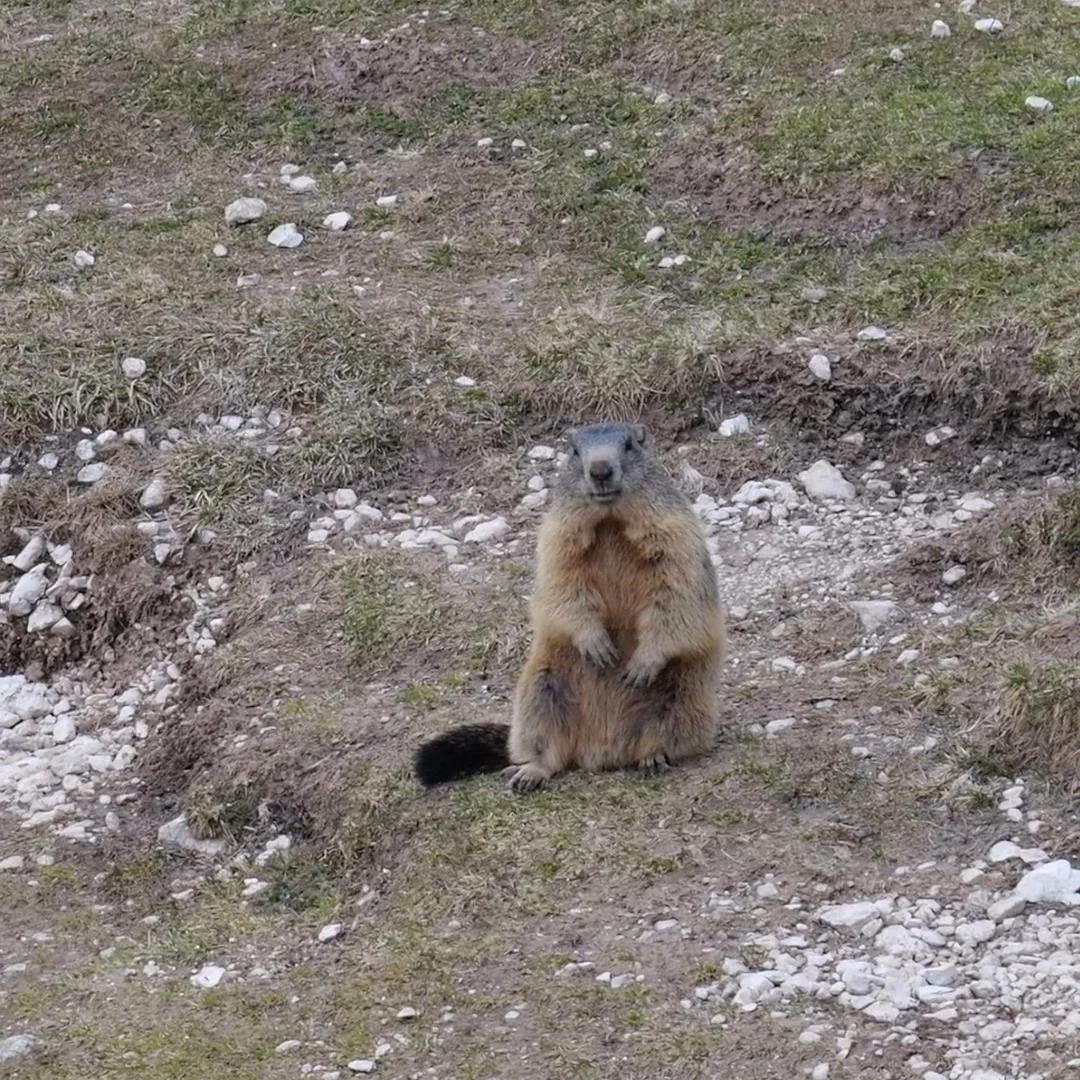
I can’t think of a better way to spend the day than gazing at the peaks and watching the marmots play.
HIKING THROUGH ‘VAL LUNGA’
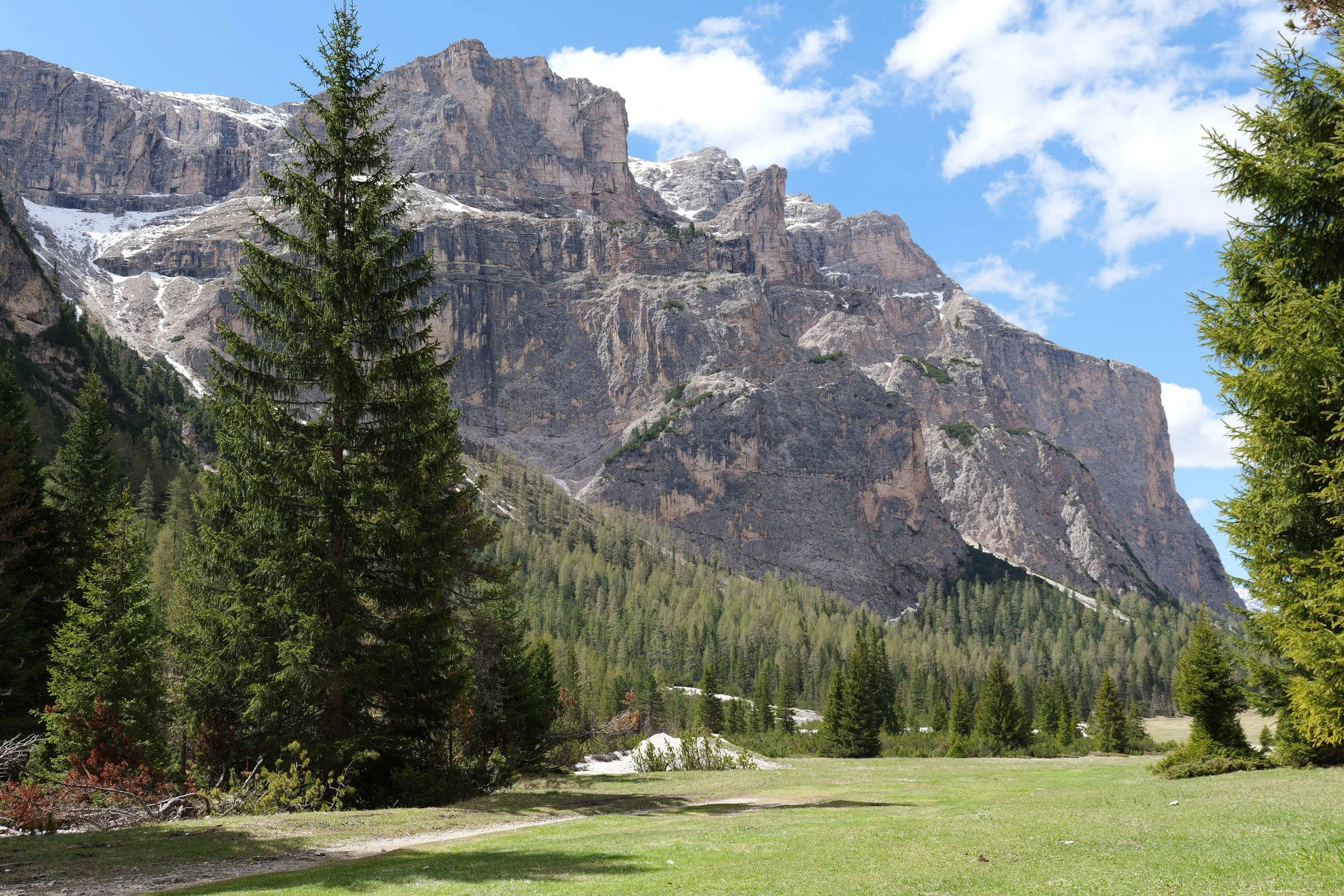
Another hike I enjoy in spring, starting from Selva, leads through a valley called Val Lunga. This route is much easier than the previous one. Because it’s completely flat and accessible to everyone, I always avoid it in summer when it becomes very popular, but in May there is almost no one around.
What makes Val Lunga truly special is the way its cliffs rise vertically from the gentle valley. As you walk in, you’re enclosed by towering Dolomite walls; I call it the Yosemite of South Tyrol.
EXPLORING THE FUNES VALLEY
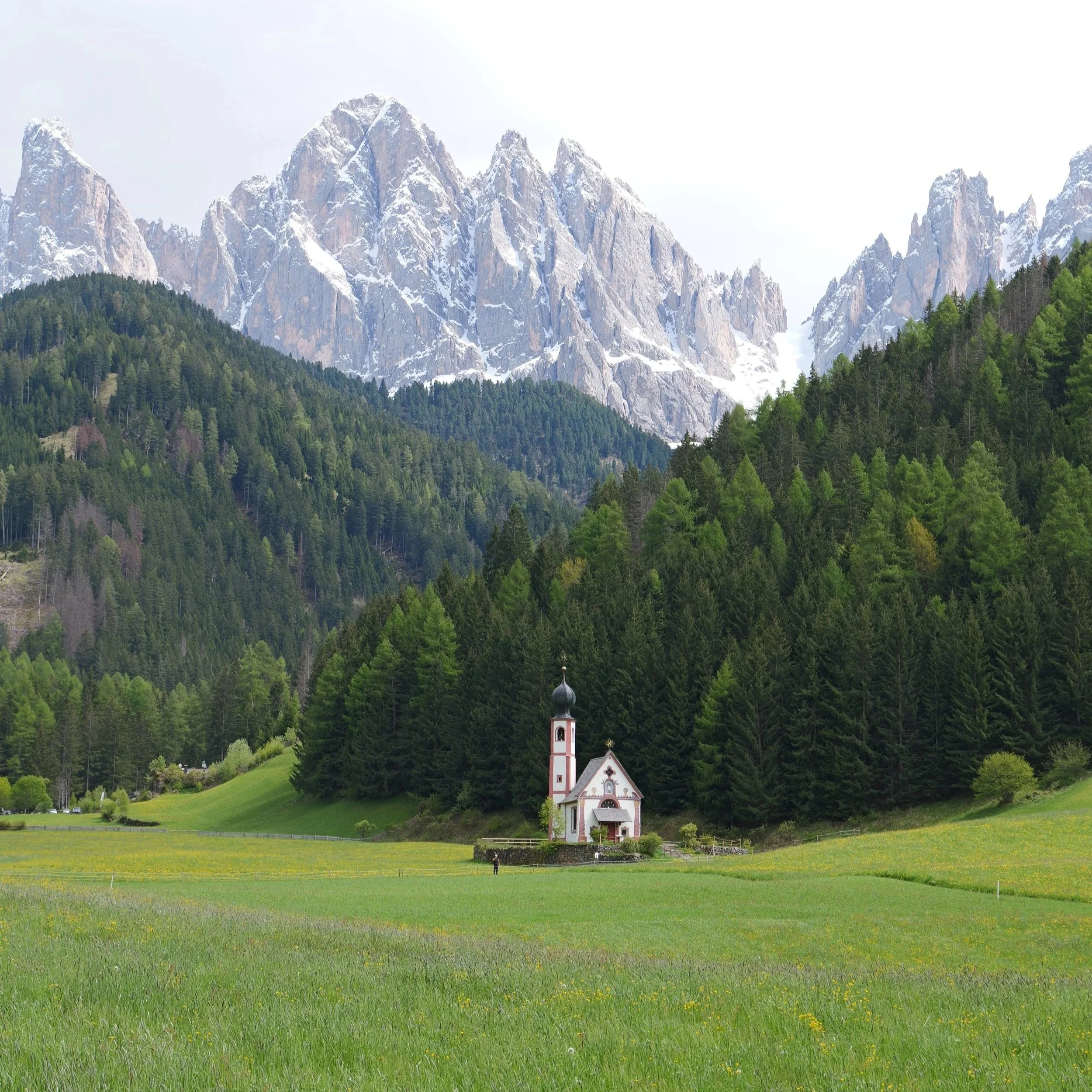
In the neighbouring valley of Funes, postcard‑perfect views open up over the Geisler peaks, with small farms and quiet local villages.
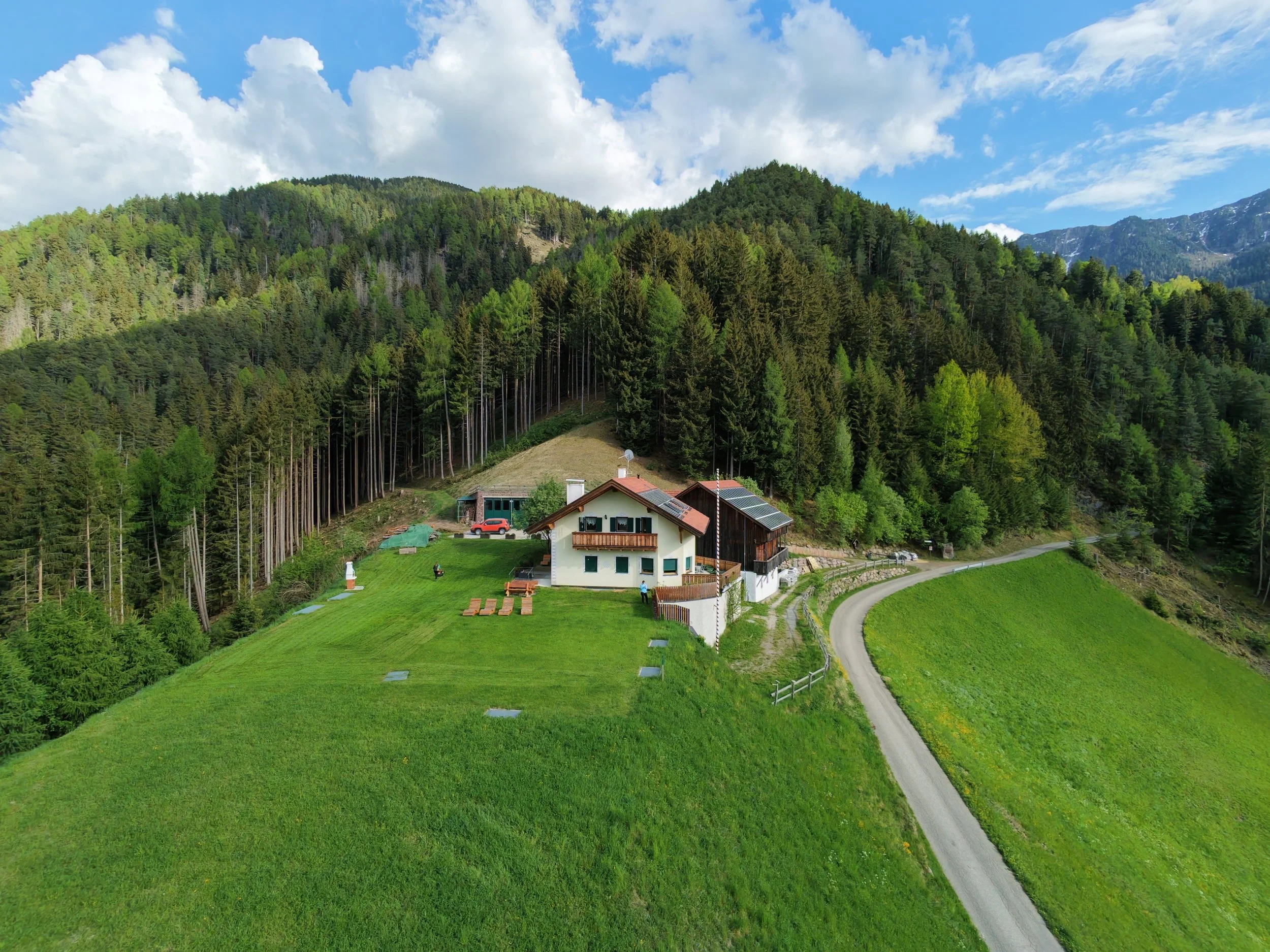
My mum and I decided to spend the night at the chalet she manages during the high season, so we could enjoy the valley in its peaceful spring mood before the summer crowds arrive.
Mascheshof is a small mountain chalet nestled in the forest just a few kilometres from the village of Funes. Its spacious garden is the perfect place to relax and enjoy the scenery.
HIKING THE ‘ADOLF MUNKEL WEG’
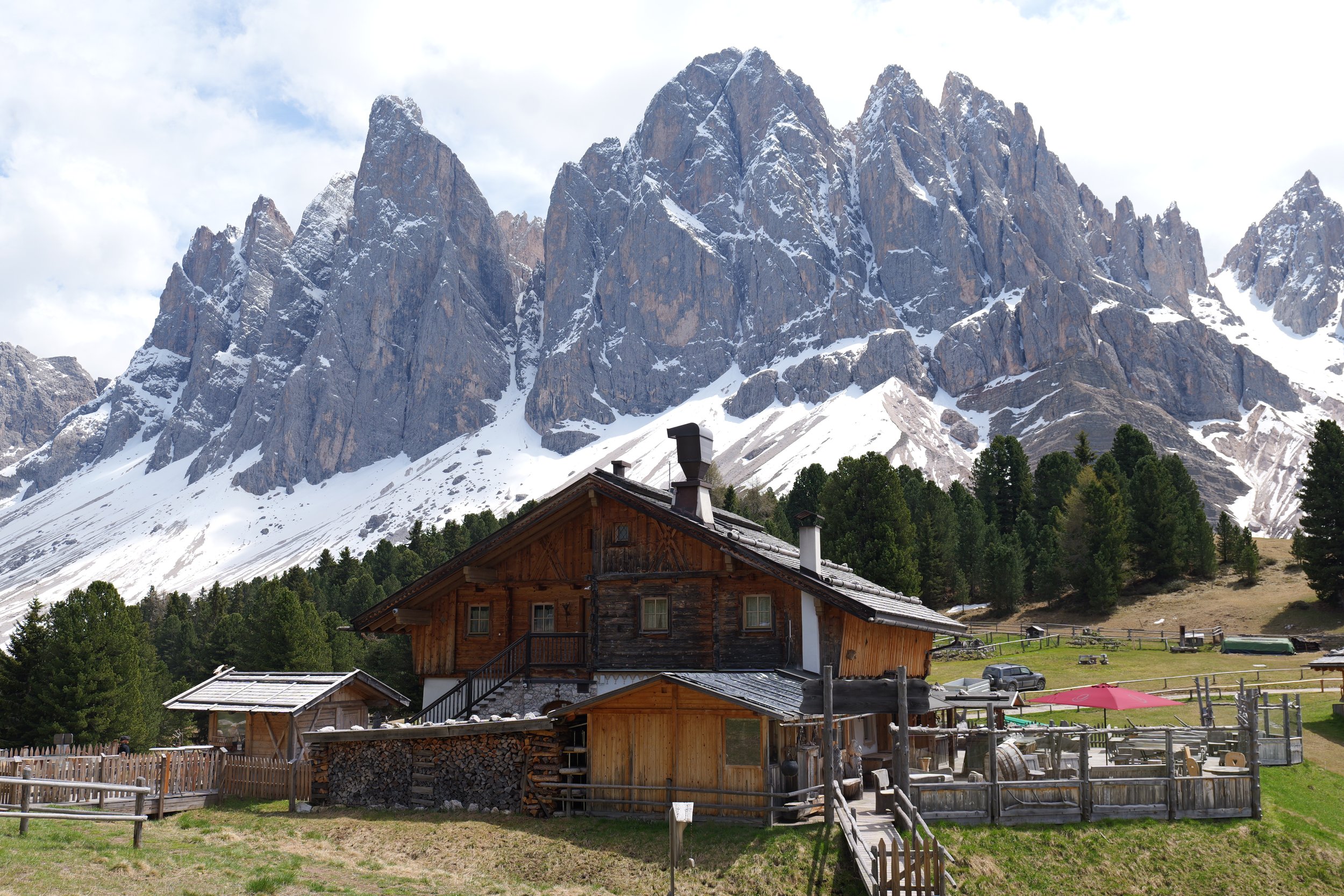
The next morning, on a gloomy day, we decided to hike the 13 km Adolf Munkel Weg under the Odle mountain group. It is a circular trail with just over 600 meters of elevation gain.
In high season, there are many mountain huts along the trail where you can stop to eat, but when we went, everything was closed, so we took our own food.
We stopped for a picnic facing the Geisler Alm, a picturesque mountain hut at 2000 meters nestled beneath the dramatic Odle peaks. This iconic hike is accessible year-round, even in winter with the right gear.
EXPLORING HIDDEN MOUNTAIN VILLAGES
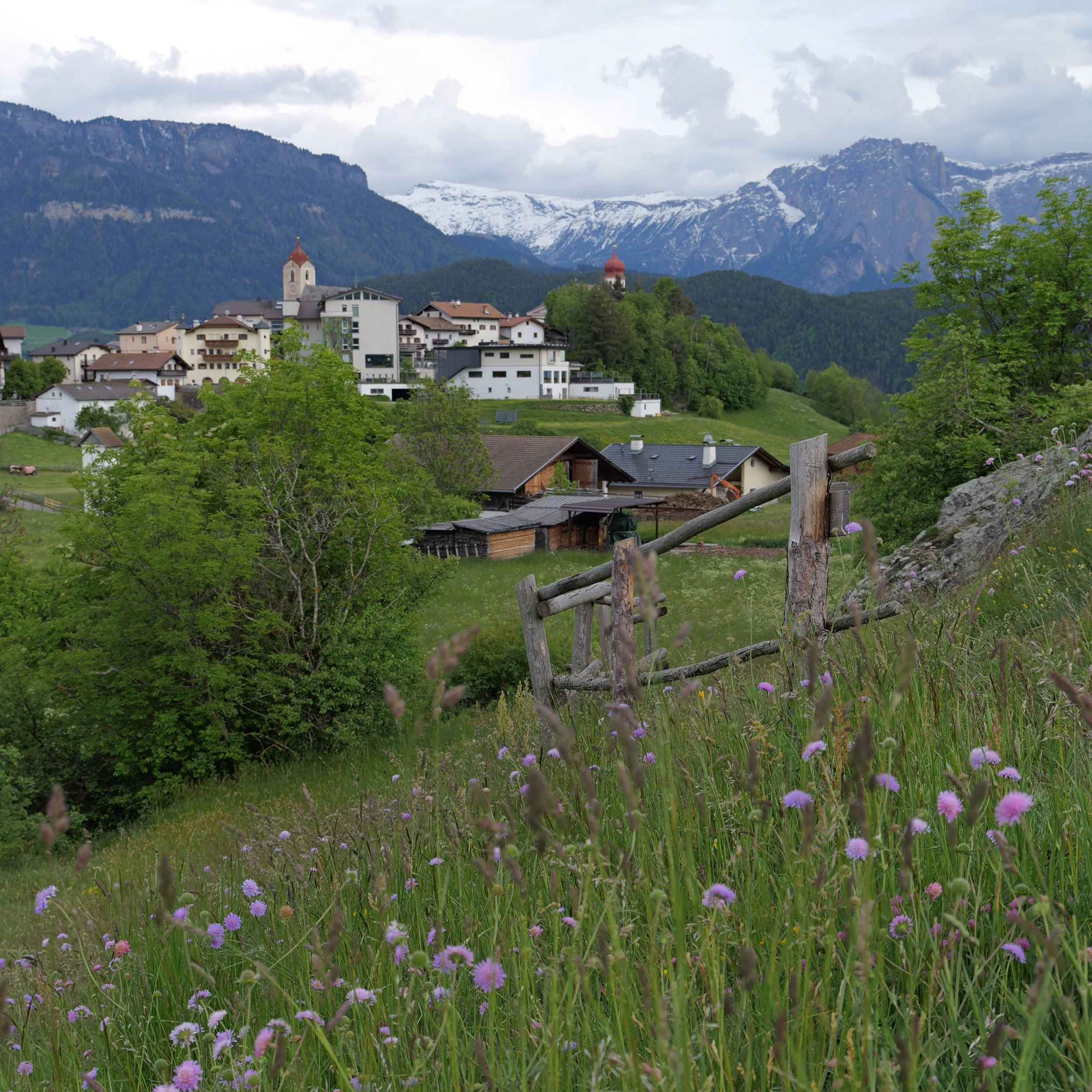
On my last day in South Tyrol, my mom and I set out from the quiet village of Laion and followed the path down toward Albions. The walk is a gentle descent across sunny meadows and forest paths on the eastern slope above the Eisack Valley.
As you approach Albions, the landscape becomes more rural and intimate, with traditional farmhouses scattered around the hillside.
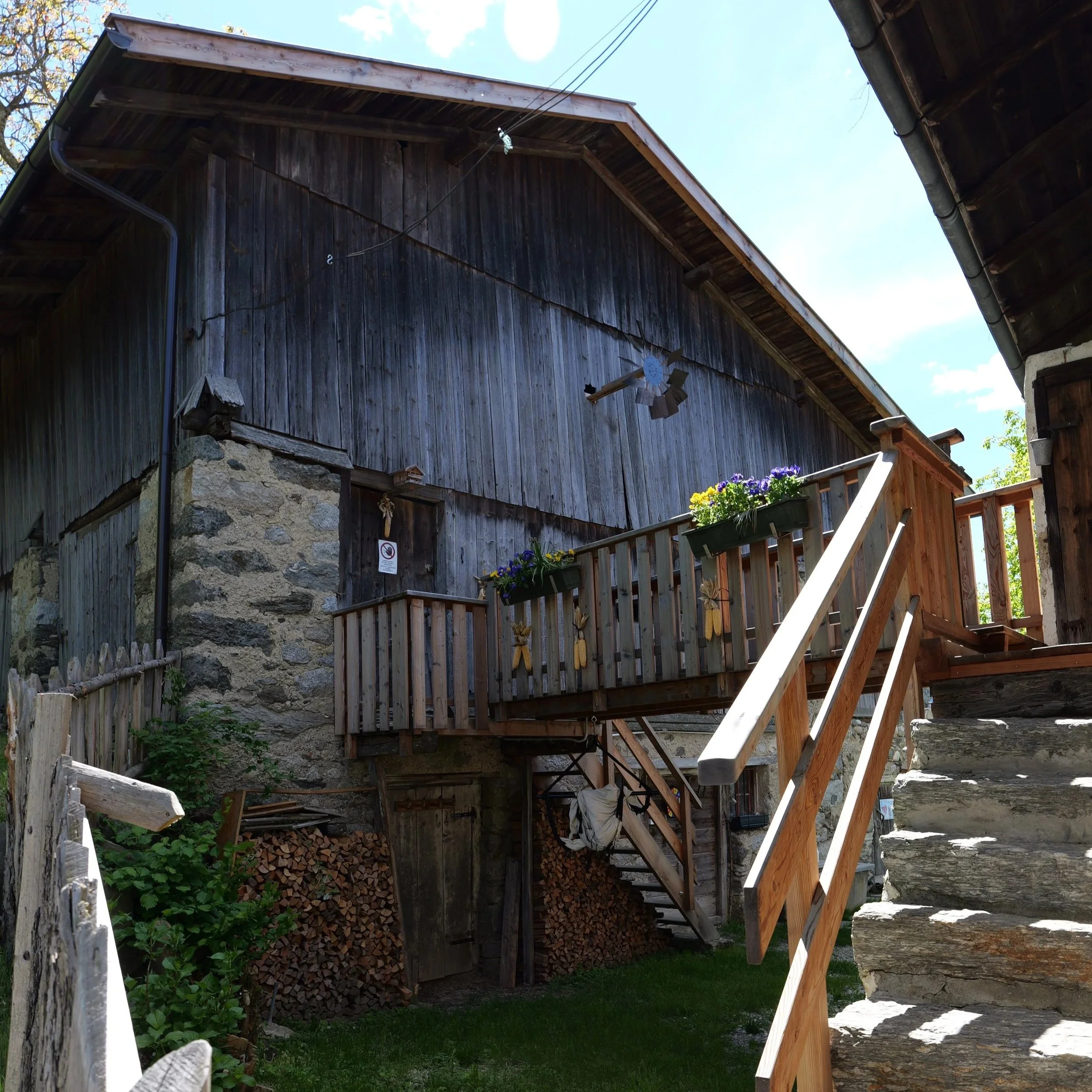
The walk usually takes around one and a half hours one way, and ends in the quiet hamlet of Albions, where the small St. Nicholas church gives the feeling of a peaceful, tucked‑away mountain village.
TASTE SOME LOCAL PASTRIES!
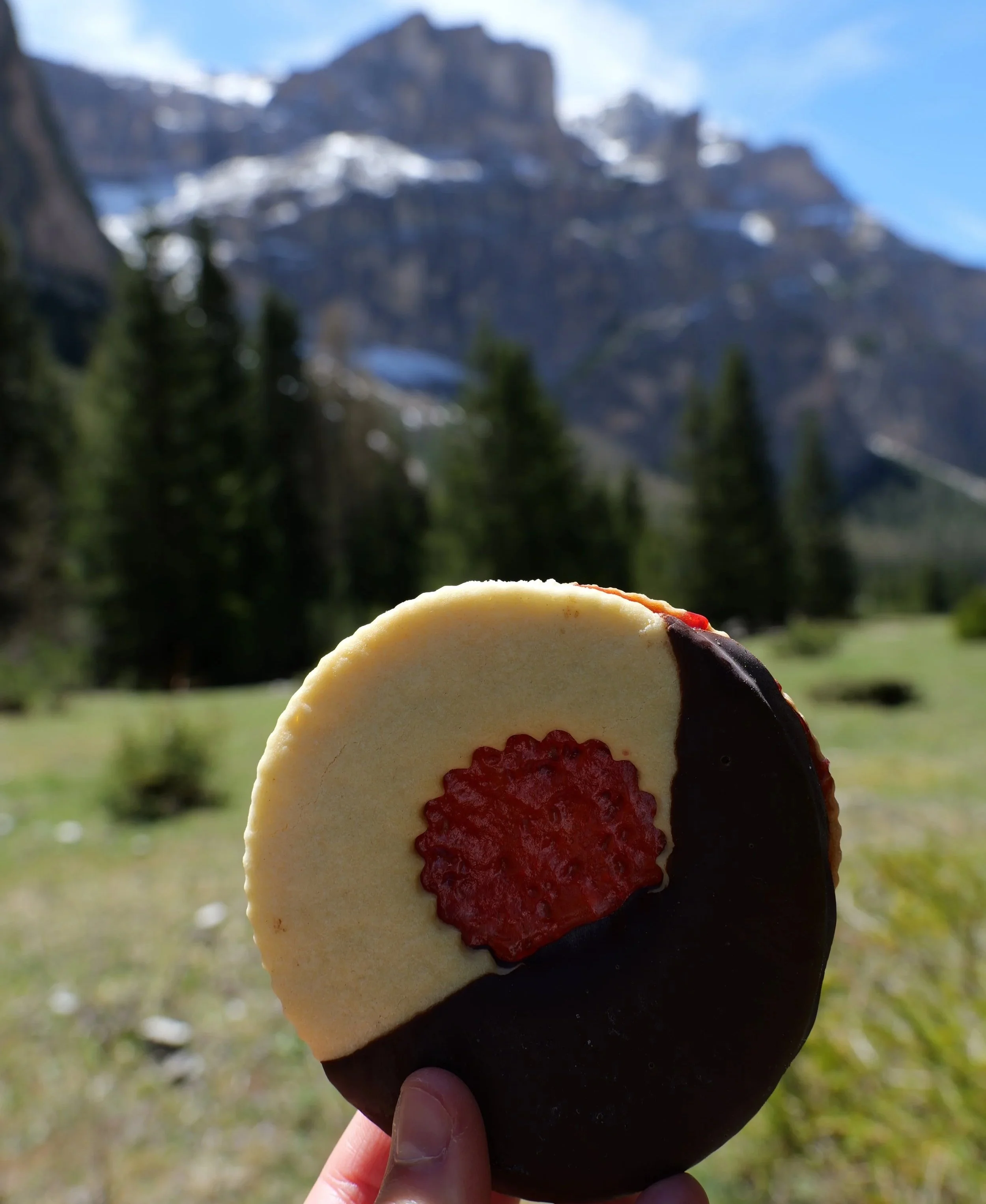
SPITZBUBEN
Spitzbuben are delicate Alpine sandwich cookies filled with raspberry or apricot jam, then dusted with powdered sugar or dipped in chocolate. Buttery and crumbly, with a slightly tangy centre, they are especially popular in South Tyrol around Christmas. Honestly, though, they are delicious at any time of year — especially on a picnic!
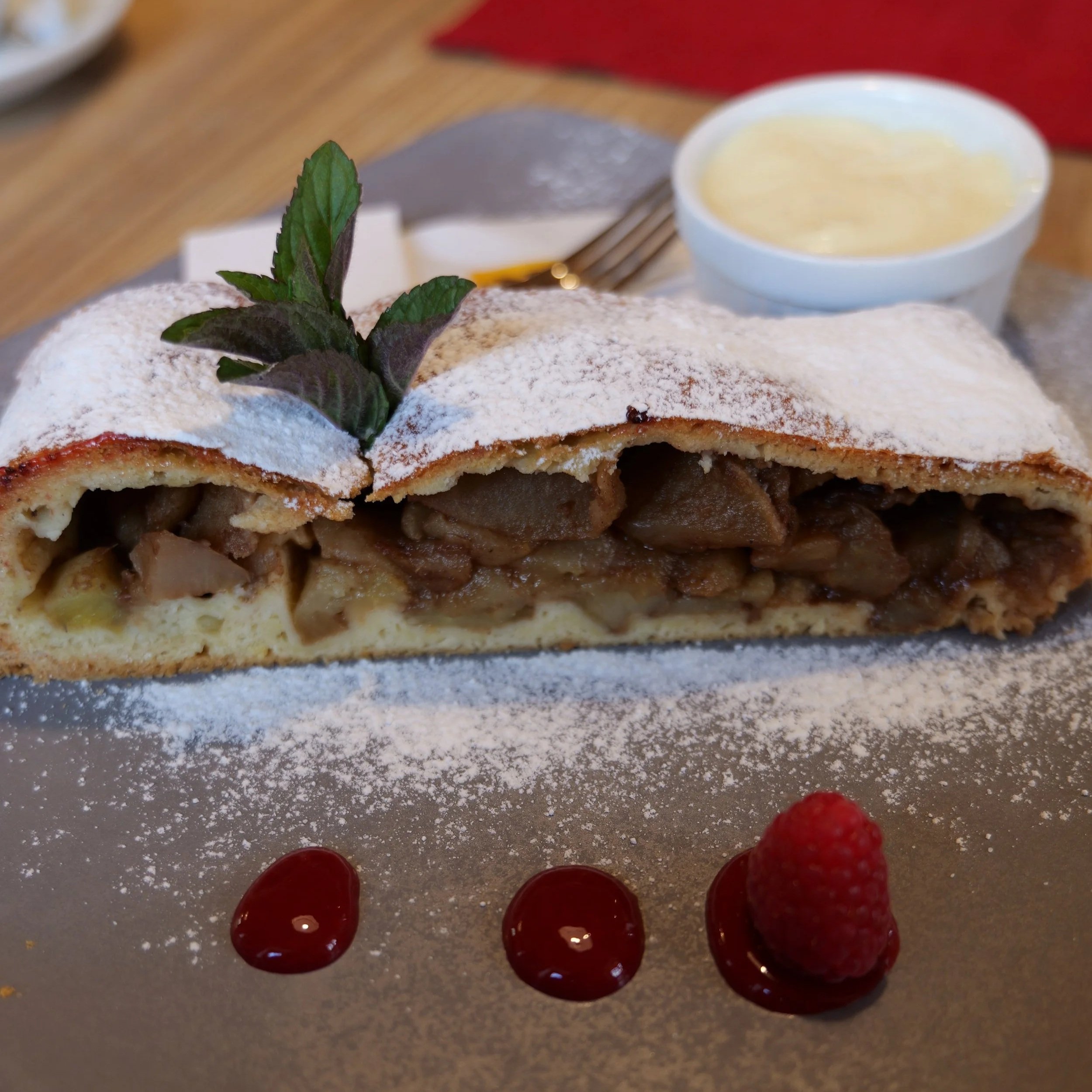
APFELSTRUDEL
Apfelstrudel with vanilla sauce is one of the classic treats you’ll find in many rifugios across South Tyrol. Warm, comforting, and usually served in generous slices, it’s made with thin pastry wrapped around soft apples, cinnamon, raisins, and sometimes pine nuts. The best part is the warm vanilla sauce poured over the top, which makes it even more delicious after a hike. It’s simple, traditional, and exactly the kind of mountain dessert that tastes even better when eaten with a view of the Dolomites.
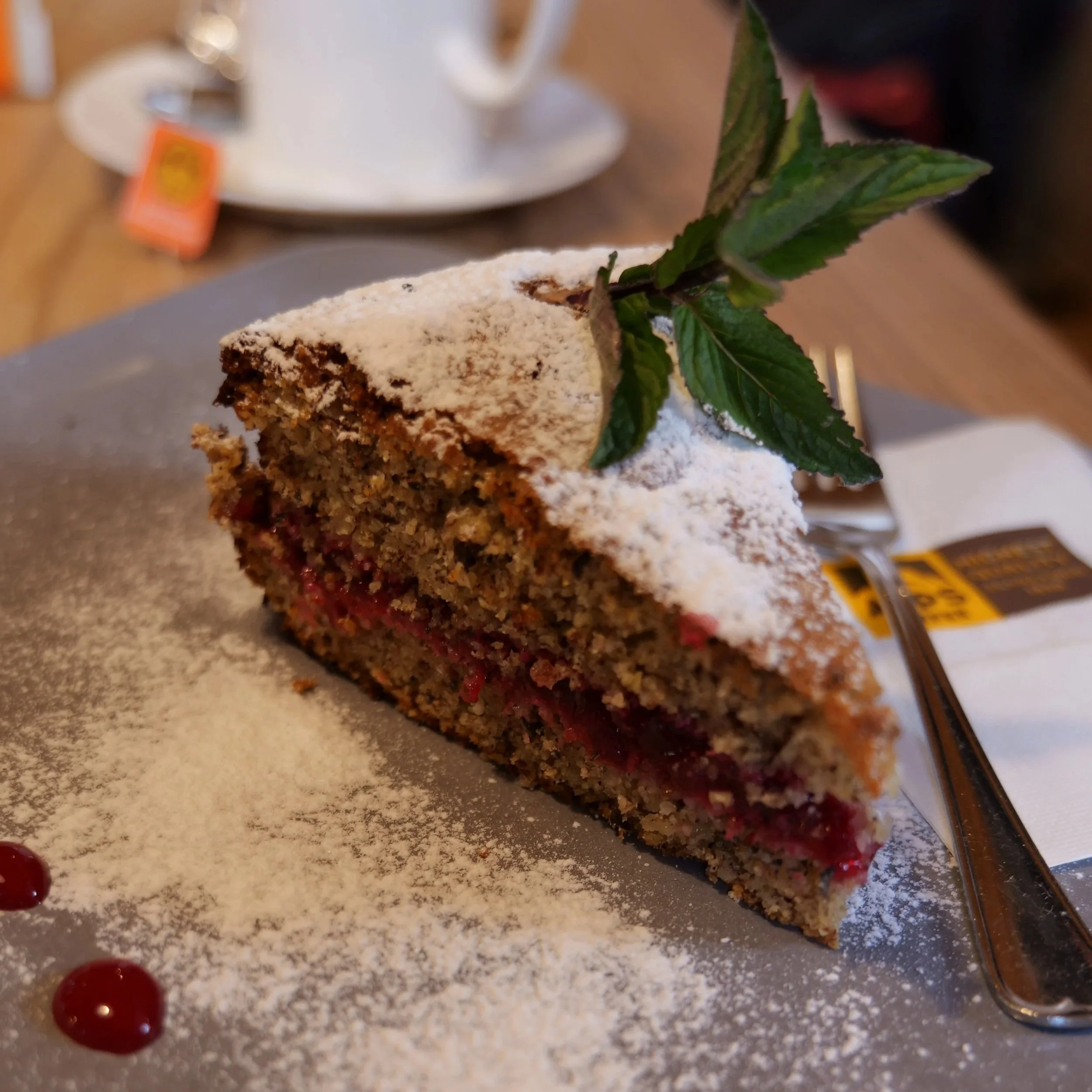
Buchweiztorte
Buchweiztorte is a traditional South Tyrolean buckwheat cake, usually filled with a layer of lingonberry or red currant jam and dusted with powdered sugar. Despite its rustic look, it has a soft, nutty flavour and a slightly crumbly texture that makes it perfect with a cup of coffee after a hike. It’s simple, hearty, and very typical of the Alpine region — the kind of cake that tastes like home in the mountains.
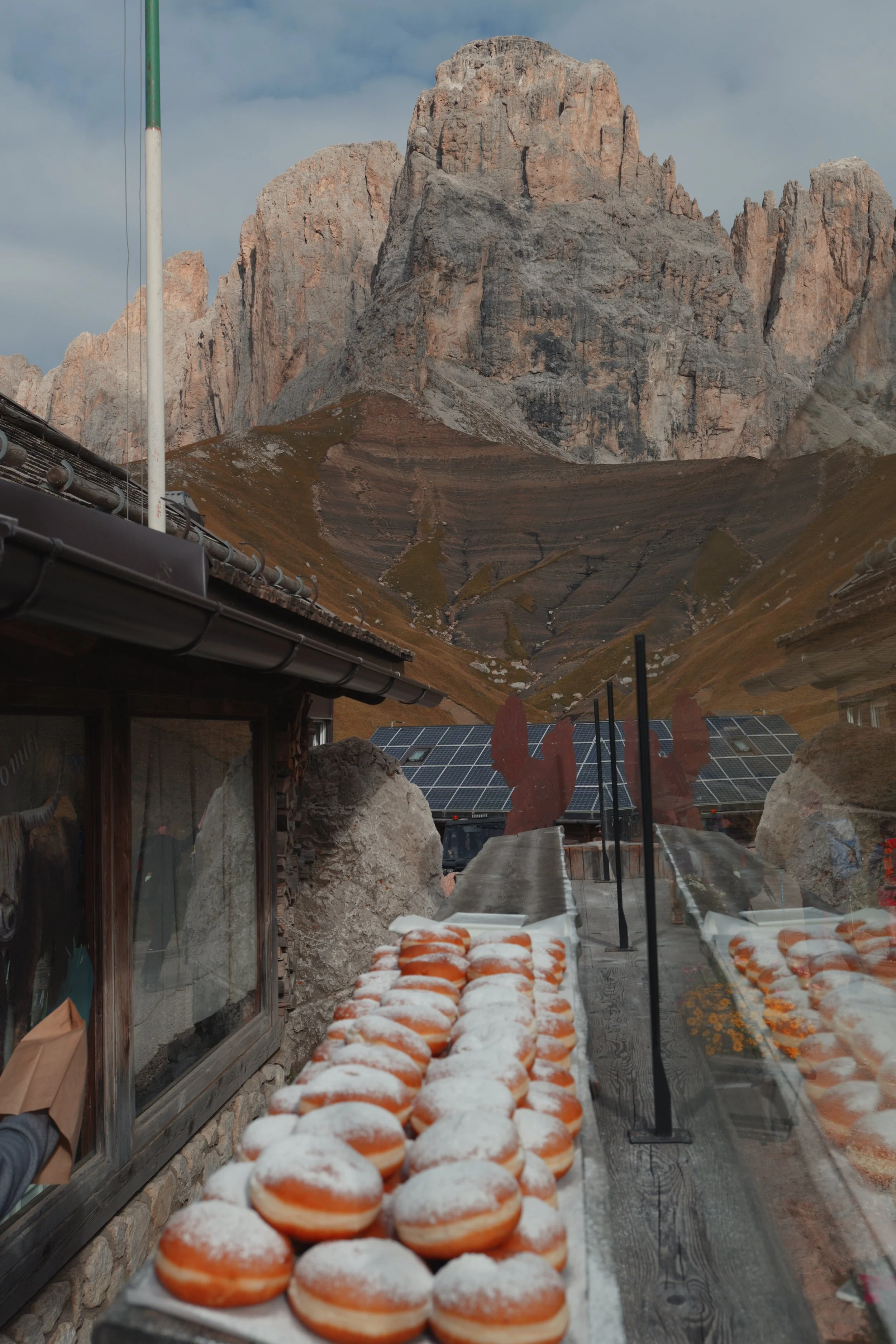
KRAPFEN
Krapfen are soft, fluffy Alpine doughnuts, usually filled with jam or sweet vanilla cream and finished with a dusting of powdered sugar. You’ll often see them in South Tyrolean bakeries, but they have also become a bit of a viral treat in some rifugios, where people stop after a hike just to try one with a coffee and a view of the Dolomites. Simple, comforting, and dangerously good, they are one of those pastries you absolutely have to try when visiting South Tyrol.
SO..IS IT WORTH IT?
It was nice to soak in the vibrant spring colours of my region before heading back to the Norwegian Arctic.
To answer the original question — is South Tyrol worth visiting in the spring? It really depends on what you’re looking for.
If you prioritise peace and a traditional vibe without many tourists, then May is the perfect time for you. But if you’re a hardcore hiker, ready to take on the most iconic trails in the Dolomites, I would actually recommend the summer instead.
Personally, I love going there in spring to reset and recharge before the hectic summer months. My favourite time for hiking, though, is definitely towards the end of summer, around September.
Thank you for reading this far!