

Visiting the most stereotyped country in South America - COLOMBIA
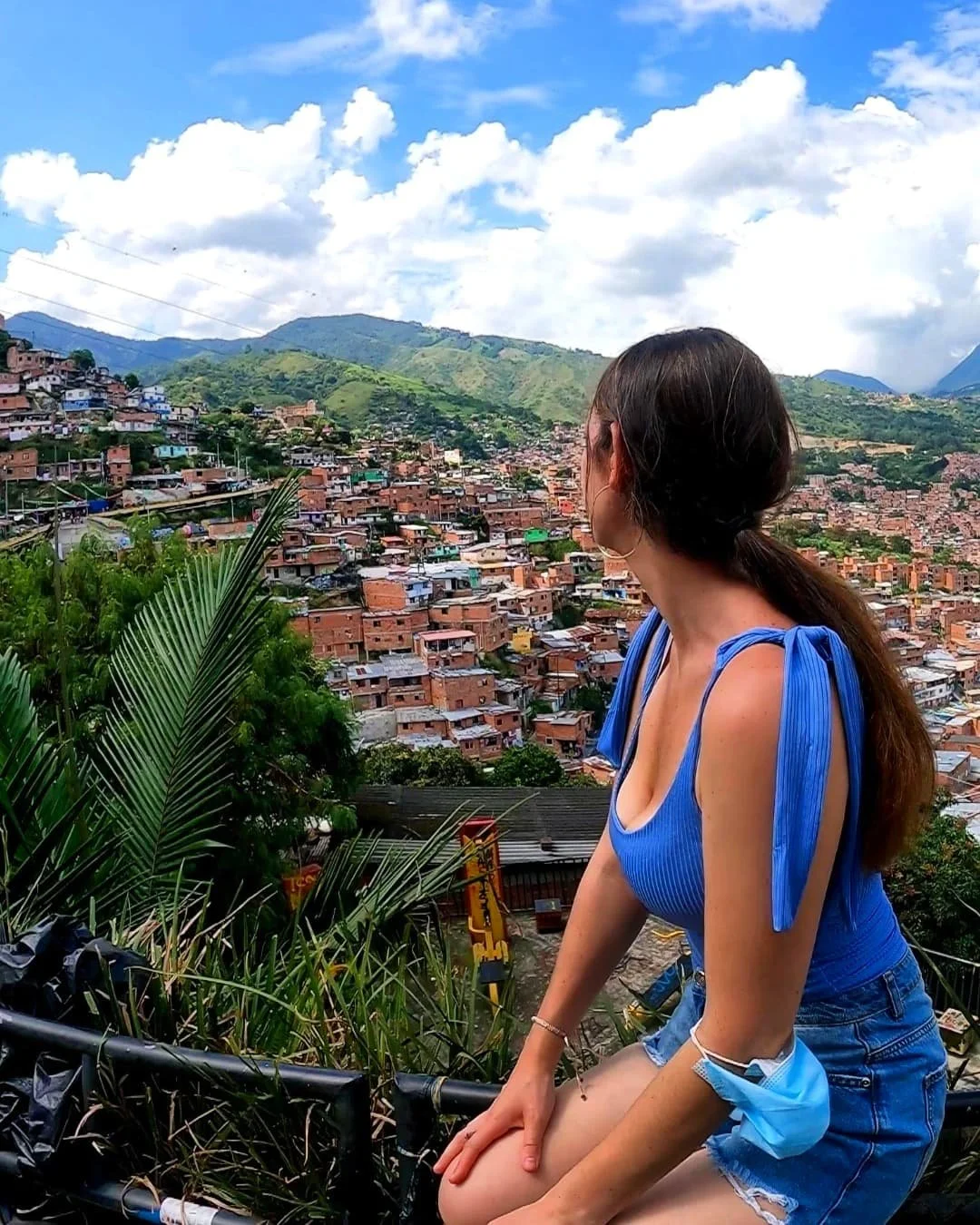
HOW SAFE IS COLOMBIA TODAY?
The country's strong reputation for violence and drug wars made it a strict no-go area on the world travel map for decades. However, it has been a favourite destination for adventure travellers for a while now.
On the first day I arrived in Bogotá, I couldn’t deny that I was a bit paranoid and on high alert, checking people out while I was withdrawing money at the ATM. My worries came from the influence of public opinion and the reputation that, unfortunately, Colombia has had since the 90s.
The truth is that from the first day I set foot in Colombia, I was surprised by how safe I felt and how chill the atmosphere was, compared to other Southern American countries. Local people were very friendly and always willing to help. However, if you visit the capital, expect to see a lot of police officers protecting some areas, but that just made me feel even safer.
I want to make clear that I always travel consciously, trying to avoid possibly dangerous situations. During the night, I never go out by myself, and I try to avoid certain areas that are considered less safe.
What I recommend is to do some research in advance, on areas that are better to avoid, or ask the local people directly. Generally speaking, I never felt unsafe in Colombia. I just heard that there is a no-go area in Bogotá — a ‘barrio’ close to the airport, which is recommended not to go to, especially during the evening.
My only advice is to trust the smiling local people and enjoy this beautiful country to the fullest!
Why should you visit Colombia?
With its Caribbean beaches, snow-capped Andean mountain peaks, rainforests, and national parks, Colombia offers something for all types of travellers. The country's magic, its astonishing variety of climates, landscapes, and the friendliness of its people turn every trip into an unforgettable experience.
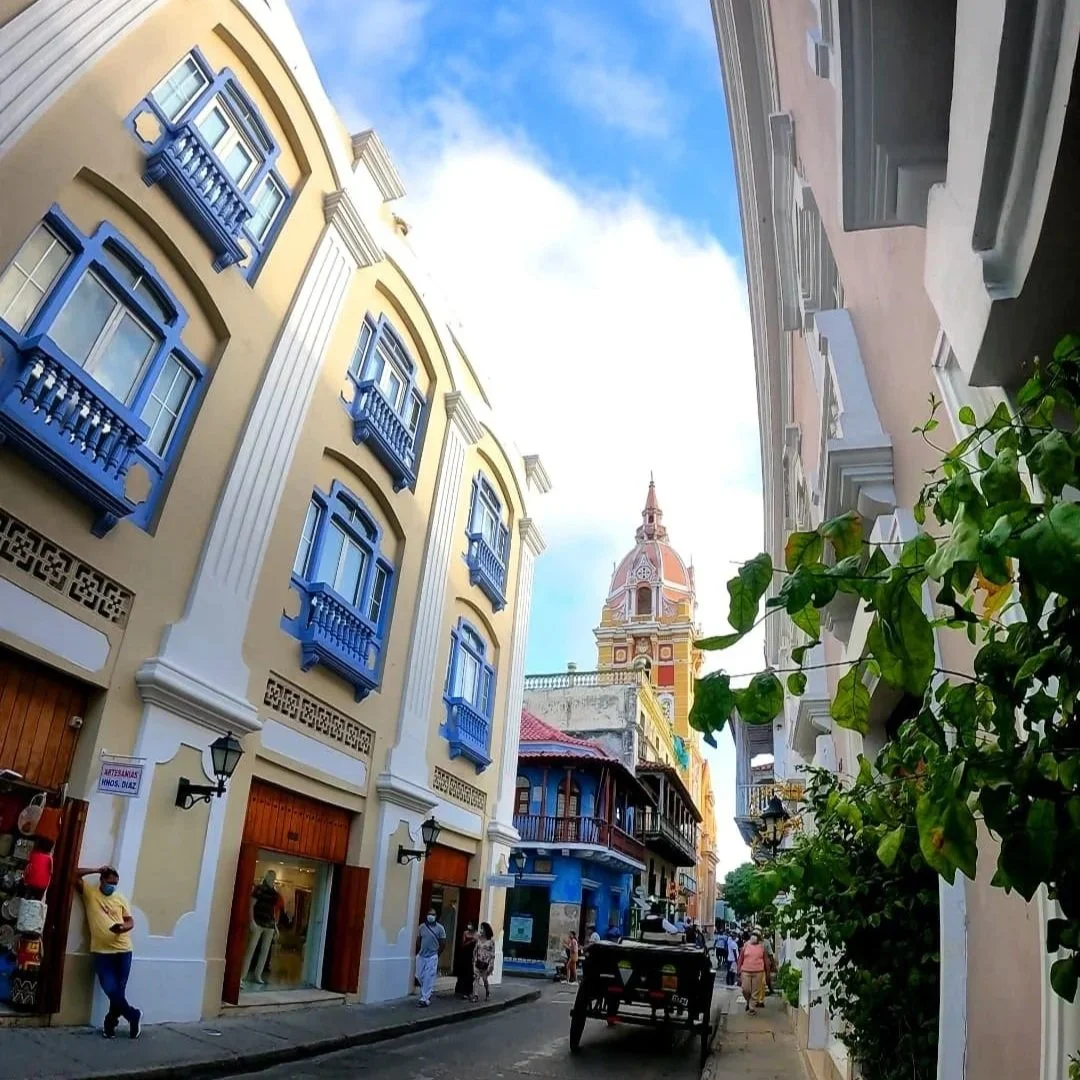
Interesting facts
(you probably didn’t know)
You binge-watched Narcos on Netflix and saw a few jaw-dropping travel photos on Instagram, and now you want to know what this country is all about. Well, look no further. The country that exists today is far removed from the dramatised version of the 80’s era of Colombia portrayed in Narcos. There are a million reasons to put Colombia at the top of your travel wish list. It’s the perfect combination of modern city life and the serenity of raw, untouched nature.
Colombia today has one of Latin America's largest economies
The country has been experiencing significantly fast economic growth, which has impacted income and wealth. The majority of its population belongs to the middle class.
Colombia is the second most biodiverse country in the World
Only second to its massive neighbour, Brazil. Colombia has deserts, rainforests, and Andean cloud forests, allowing almost every kind of organism to thrive.
Colombian coffee comes in at #3 in the World
Brazil and Vietnam’s beans may still be more common, but I prefer the rich flavour of Colombian coffee. Unfortunately, because of the high demand, most of the beans leave the country, and so does the best coffee! You can visit many coffee plantations in places such as the ‘Cocora Valley’ and ‘Santa Marta’.
Colombia is often voted as one of the World’s Happiest Countries
In 2013 and 2014, Colombia claimed the #1 Happiest Country in the World, and even in recent years, is always been near the top of the list. I can tell that it is hard to meet a sad or annoyed face in Colombia — everybody seems happy and full of energy.
Bogotá is the third-highest capital in South America and #4 in the World
Bogotá sits at 2,640 m — 8,660 feet above sea level. You might experience some altitude sickness during the first days. Some people hardly feel it, but others need a day or so to acclimatize due to the thinner air. You might feel dizzy, tired, and short of breath. The first time I was in the capital, I didn’t feel anything, but I experienced it the second time I was in Bogotá. I struggled to breathe, and I had a very strong headache. In some South American countries, like Ecuador and Peru, locals drink Coca Tea, which is believed to cure altitude sickness. Just make sure not to drink it in Colombia, because it’s illegal!
The best way to treat altitude sickness is to drink a lot of water and take a day to rest.
WHERE SHOULD YOU TRAVEL IN COLOMBIA?
COCORA VALLEY
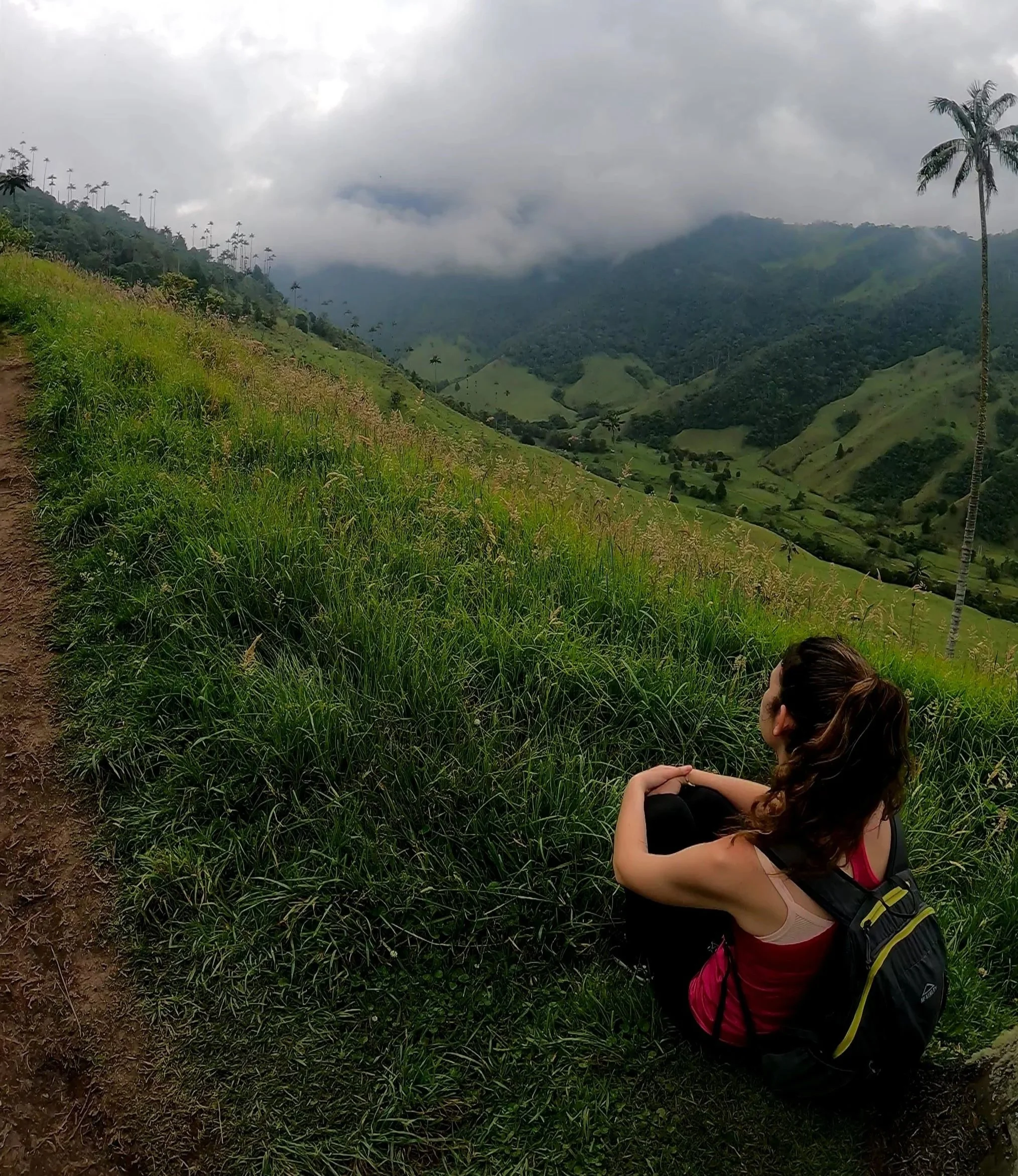
Cocora Valley is famous for having the world's tallest palm trees. It's more commonly known in Spanish as “Valle Del Cocora”. Even though it is quite crowded with tourists, you can still find amazing, quiet corners with endless views of the tall palm trees. I wanted to enjoy this place without tourists, so I decided to book a room that faces the valley directly. An experience like no other, to wake up in the jungle with the sunrise and enjoy breakfast with a breathtaking view.
Where to stay?
When people visit the Cocora Valley, they stay in Salento, a tourist village that welcomes thousands of visitors every year. To reach the notorious valley, tourists have to take a jeep that drives for 30 minutes.
Why not enjoy the view directly from your room?
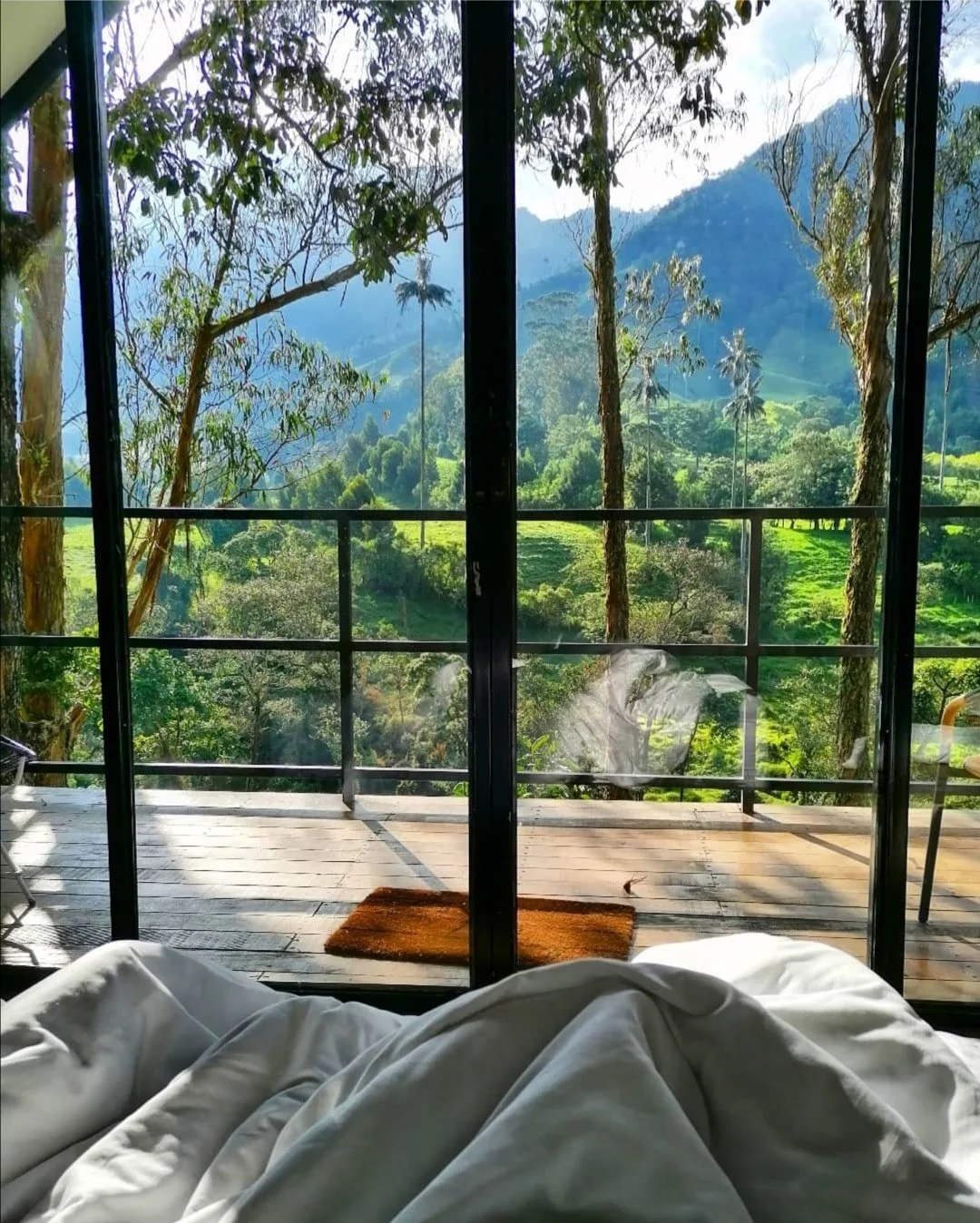
I recommend staying in Cabañas Valle del Cocora La Truchera — an accommodation located at the feet of the cloud forest, in the Nevados National Park. The highlight is waking up with the breathtaking view overlooking the Cocora Valley. A unique experience, immersed in nature.
I recommend staying for one night, because most of the facilities, coffee places, restaurants, and Internet connection, are available in the village of Salento and not in the valley.
To enjoy the experience to the fullest, try to reach the homestay at 5 PM, stay overnight, have a delicious breakfast on the room balcony (included in the price), and between 8-9 AM start one of the many hikes available in the Cocora Valley, so that you are able to avoid crowds of tourists coming.
How to reach the Cocora Valley?
FROM BOGOTA’
You can take the bus from Bogotá to Armenia (7 hours drive) — from Armenia, you have to change the bus to Salento (40 minutes drive). From the main square in the centre of Salento, there is a jeep called ‘Jeep Willis' — that drives every hour from 8 AM to 5 PM — to the Cocora Valley (30 minutes drive).
It's easier than it sounds. The bus company that operates the Bogotá - Armenia route is ‘Bolivariano’. All the buses have Wi-Fi and toilets, and they are very cheap and comfortable. Even though the journey was quite long, I personally loved the scenic driving route. You are driving through a jungle, with spectacular views overlooking green valleys. The best landscape I saw in Colombia.
FROM MEDELLIN
If you are in Medellin, there is a direct bus all the way to Salento village (6-hour drive).
MEDELLIN, The city that has found peace.
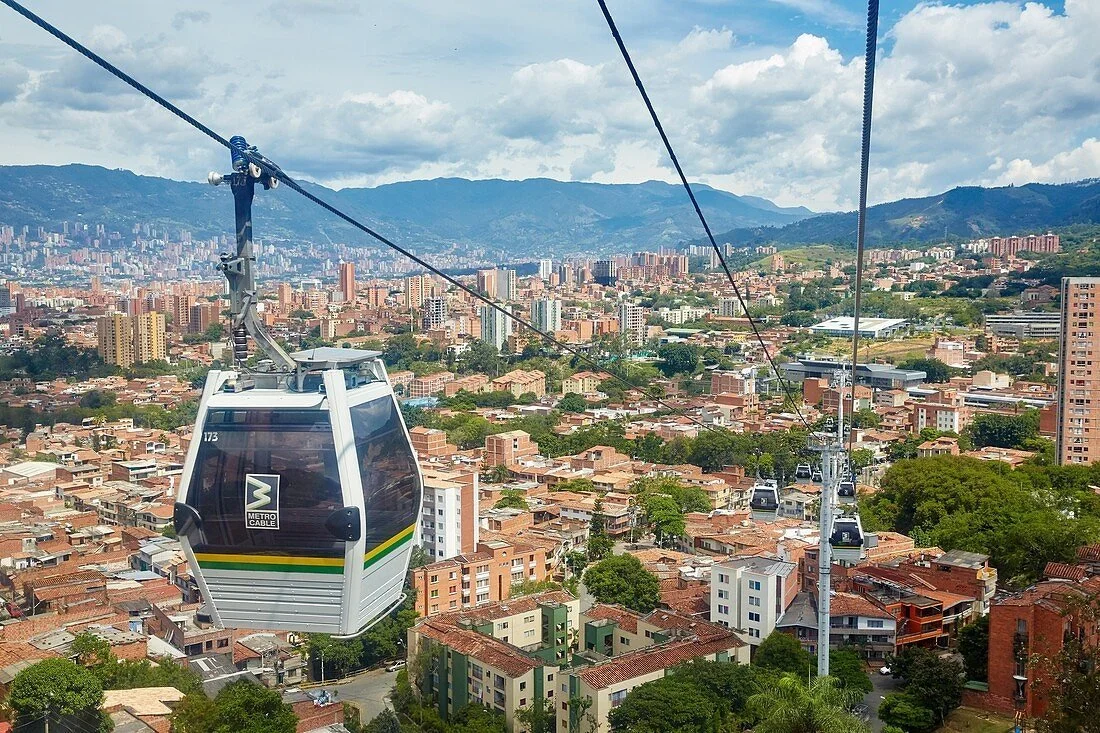
We can say that Medellin has seen it all, and in the last decades, it is the city that has changed the most, transforming fear and violence into a vibrant city full of life and art.
Just 30 years ago, it was considered to be the most dangerous place in the world. The whole country was going through a war against narcotraffic and the most notorious drug lord of all time — Pablo Escobar. Today, a hipster destination where to feel free and express yourself.
You can feel the change while speaking with the local people, who are happy to be free and finally welcome many international tourists.
Not just ‘Pablo Escobar’.
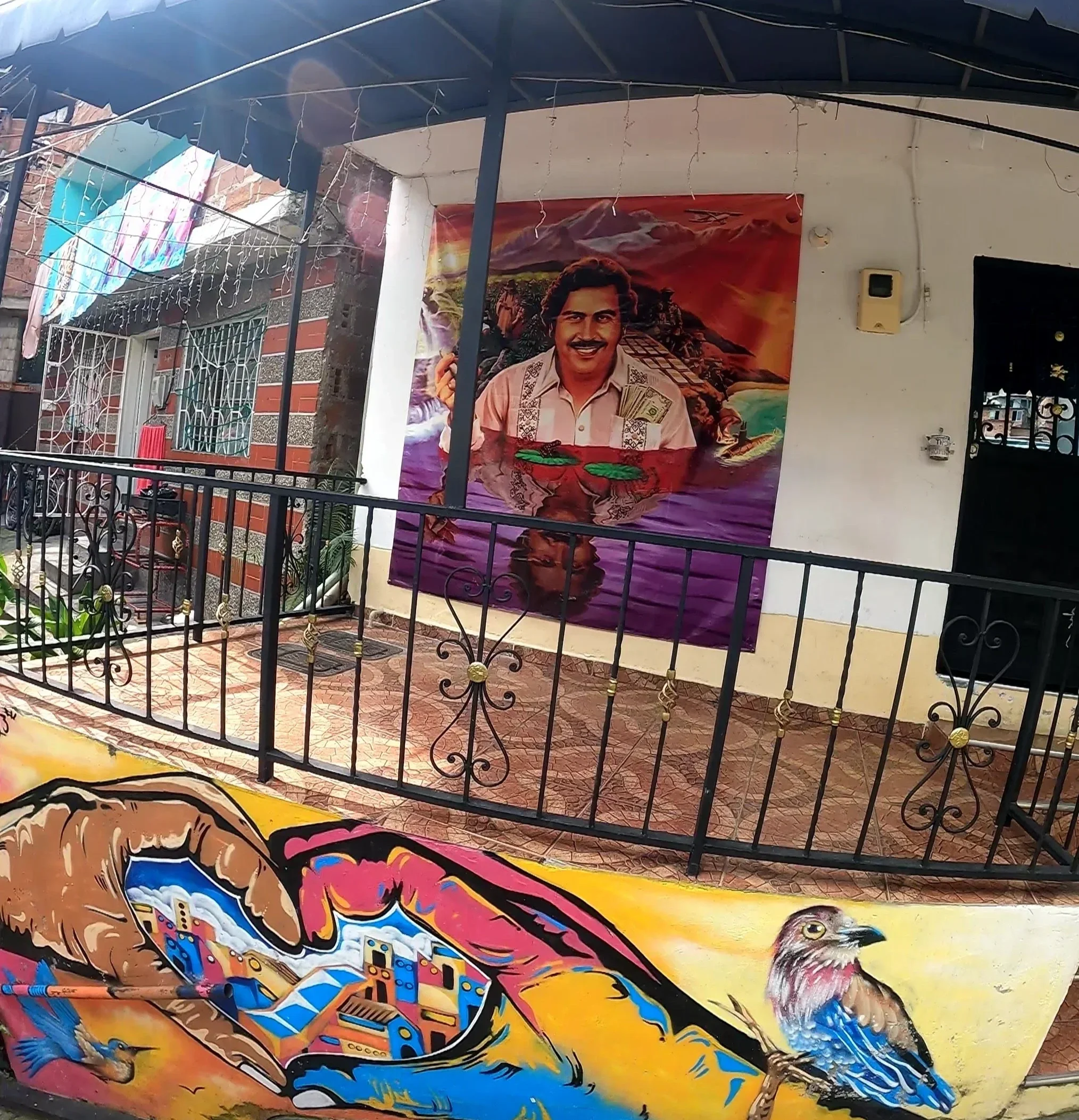
Medellin attracts many people who, after binge-watching ‘Narcos’, want to discover what has been left in the city where Pablo Escobar spent most of his life. When you walk through some ‘Barrios’, you can find some murals that portray the drug lord. Indeed, in some poor neighbourhoods, Pablo is remembered as a ‘‘Robin Hood’’, thanks to his philanthropic efforts. He built hospitals, stadiums, and housing for the poor, with the profit from cocaine smuggling.
But, not long after, his reputation changed drastically, becoming one of the most dangerous terrorists in the world, signing a very painful chapter in Colombia’s history.
When you visit Medellin, it’s important to remember that you are visiting the city of many victims. If you have some questions, try to be sensitive about this subject. Try not to show an interest only in Pablo’s character, but also in people’s lives who have been through so much and were able to leave this hard period behind them.
However, if you want to know more about the Escobar family, I recommend visiting the house of Roberto Escobar. You can read my experience when I met Pablo Escobar’s brother.
What to do in Medellin?
Visit ‘Comuna 13’
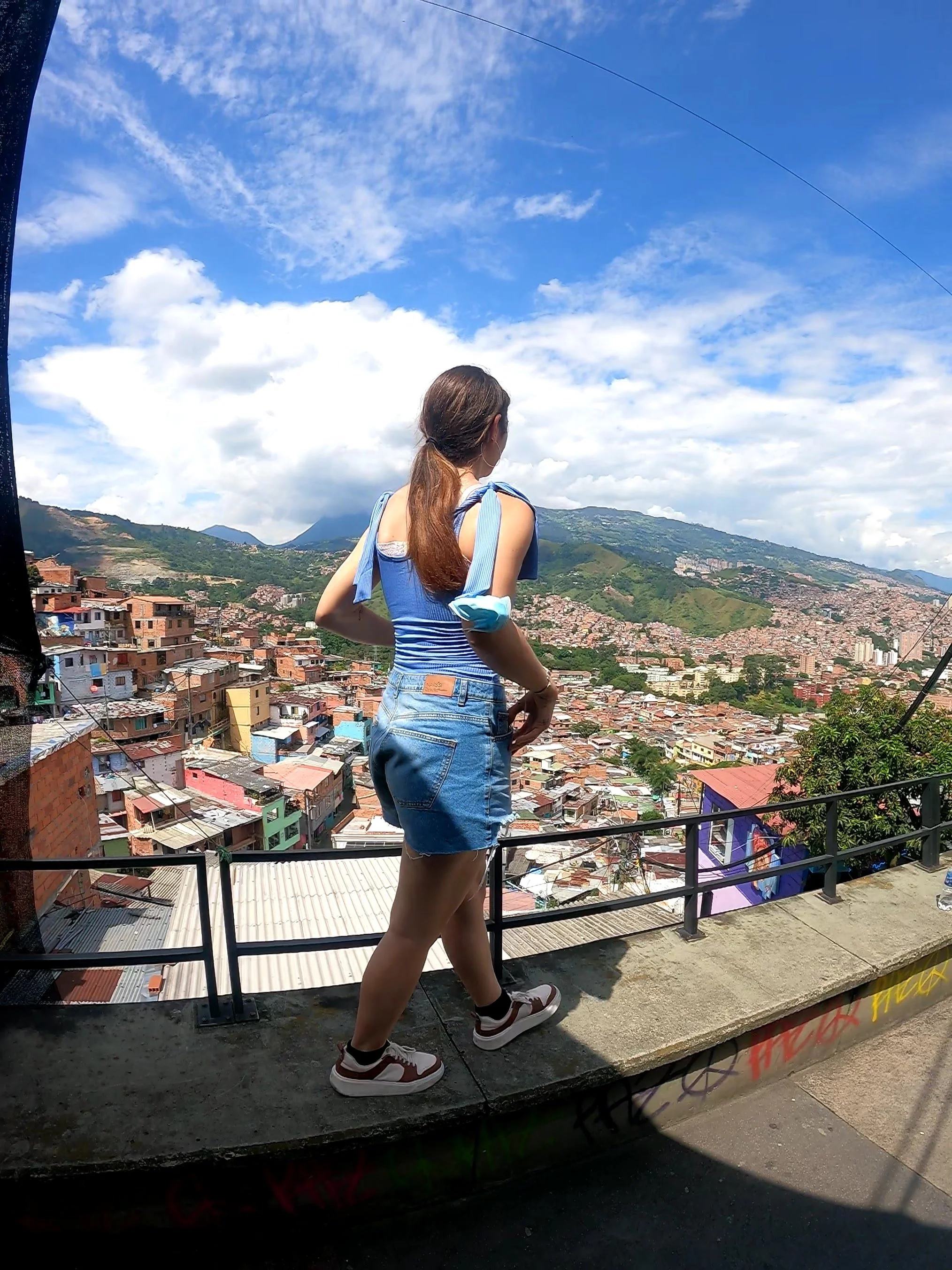
Medellin has been considered a safe city to visit since 2008.
The barrio "Comuna 13" used to be the most dangerous neighbourhood in Medellin, run by violent drug trafficking organisations. Shootings and murders were the order of the day, and police officers were not even allowed to enter the neighbourhood.
Today, Comuna 13 has become the most hospitable place, home to the best Colombian artists and dancers. When you walk in the colourful ‘barrio’, you are surrounded by graffiti, street art performances, and walking tours.
New infrastructure, including a cable car system and six outdoor escalators, has made life in Comuna 13 a whole lot easier for residents and opened the area up to tourists like never before.
Walk around ‘El Poblado’
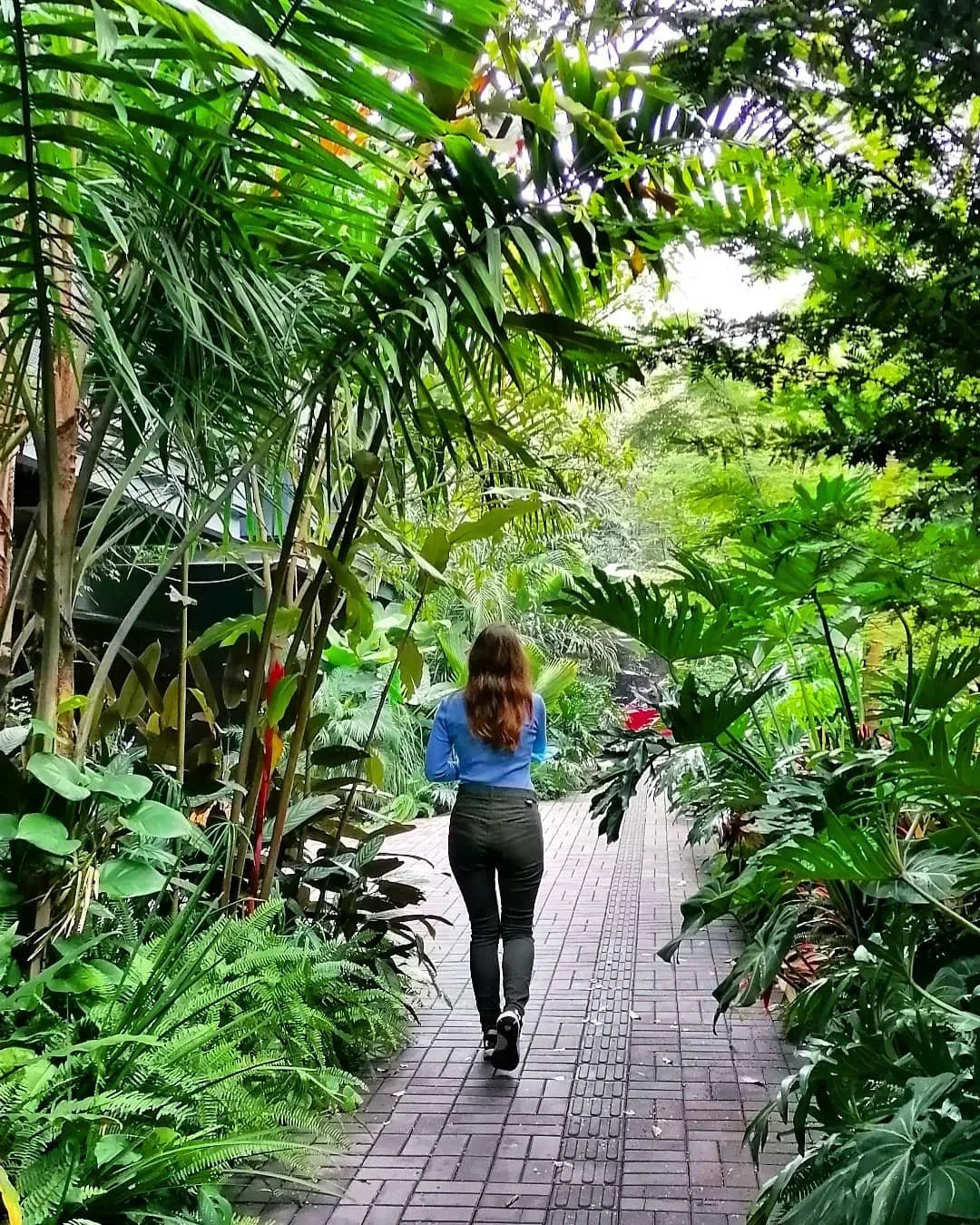
The best area to stay in Medellín is ‘El Poblado’, an upscale residential and dining district, 6 km south of the city centre. This area is immersed in the green and is jam-packed with an assortment of delicious restaurants, cute little shops, coffee places, and bars — all within walking distance.
Thank you for reading this post! You can find more about this beautiful country in the Colombia Travel section.